This novel follows a young man in London whose portrait ages while he stays young. Hidden away, the painting records the cruelty and corruption that his beautiful face conceals.
288 pages 5h 35m reading time
The best-known novel of the Aesthetic movement, a group of late 1800s artists and writers who believed art should be valued for its beauty alone.
Argues that a life spent chasing beauty and pleasure, with no thought for others, slowly destroys the person living it.
Asks whether art should teach a moral lesson at all, opening with a famous preface that says "All art is quite useless."
Gave the language the name "Dorian Gray" for someone who seems not to age, and the phrase "a portrait in the attic" for a hidden record of a person's true self.
Became one of the most quoted books in English, and its witty lines, mostly spoken by the charming Lord Henry, still appear in speeches, books, and everyday talk.
One dinner, two classics
At one London dinner, an editor asked for this novel and for a Sherlock Holmes story from Arthur Conan Doyle.
Cut before printing
The magazine's editor quietly removed passages he feared were too shocking, without telling Wilde.
Rewritten after attacks
Critics called the magazine version indecent, so Wilde softened it and added six new chapters for the book.
Used against its author
At his 1895 trials, lawyers read passages aloud to suggest the novel revealed Wilde's own relationships with men.


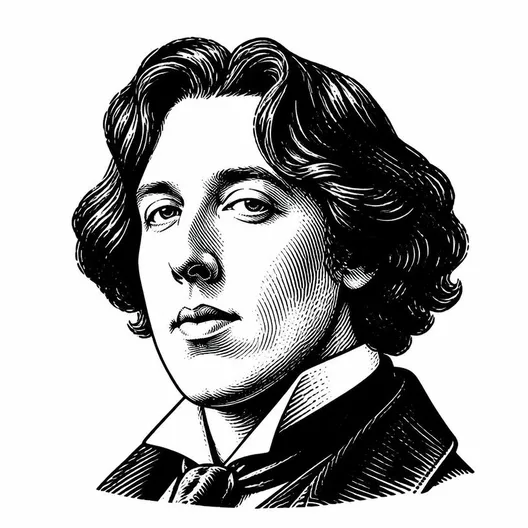 Oscar Wilde 1890