A shortened English retelling of a Roman thinker's advice on kindness, anger, and living a happy life. A long section looks at gifts and favors: how to give them well, and how to receive them.
399 pages 7h 45m reading time
A classic of Stoic moral advice from Seneca, a leading Roman philosopher and advisor to Emperor Nero.
Teaches that happiness comes from virtue and a calm mind, not from wealth, status or luck.
Calls anger a kind of brief madness that reason can master, and shows how to stay steady through hardship.
Translated by a censor
The English version was made by Roger L'Estrange, King Charles II's official censor of printed books.
Written for his brother
Seneca wrote his essay on anger for his brother Novatus, the same Gallio who judges Paul in the Bible.
Not word for word
L'Estrange said he gave a summary, cutting and rearranging Seneca instead of translating every line.
A long bestseller
Readers kept buying it, and it was reprinted many times over more than a hundred years after it first appeared.


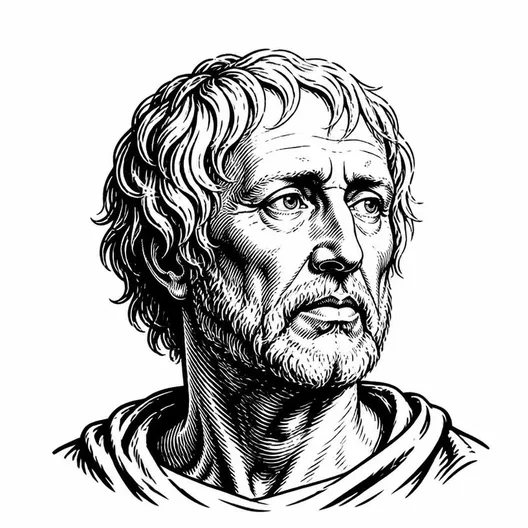 Lucius Annaeus Seneca c. 65 CE