Chapter 51
Memories
WE left for St. Louis in the 'City of Baton Rouge,' on a delightfully hot day, but with the main purpose of my visit but lamely accomplished. I had hoped to hunt up and talk with a hundred steamboatmen, but got so pleasantly involved in the social life of the town that I got nothing more than mere five-minute talks with a couple of dozen of the craft.
We left for St. Louis aboard the 'City of Baton Rouge' on a delightfully hot day. But I had barely accomplished the main purpose of my visit. I had hoped to find and talk with a hundred steamboatmen. Instead, I became so pleasantly caught up in the town's social life that I managed only five-minute conversations with a couple of dozen of them.
I was on the bench of the pilot-house when we backed out and 'straightened up' for the start—the boat pausing for a 'good ready,' in the old-fashioned way, and the black smoke piling out of the chimneys equally in the old-fashioned way. Then we began to gather momentum, and presently were fairly under way and booming along. It was all as natural and familiar—and so were the shoreward sights—as if there had been no break in my river life. There was a 'cub,' and I judged that he would take the wheel now; and he did. Captain Bixby stepped into the pilot-house. Presently the cub closed up on the rank of steamships. He made me nervous, for he allowed too much water to show between our boat and the ships. I knew quite well what was going to happen, because I could date back in my own life and inspect the record. The captain looked on, during a silent half-minute, then took the wheel himself, and crowded the boat in, till she went scraping along within a hand-breadth of the ships. It was exactly the favor which he had done me, about a quarter of a century before, in that same spot, the first time I ever steamed out of the port of New Orleans. It was a very great and sincere pleasure to me to see the thing repeated—with somebody else as victim.
I was sitting on the pilot-house bench when we backed out and 'straightened up' to start. The boat paused for a 'good ready,' in the old-fashioned way. Black smoke poured from the chimneys, just as it had in the old days. Then we began to pick up speed, and soon we were well under way and booming along. It all felt natural and familiar, as did the sights along the shore. It was as if there had been no break in my river life. There was a 'cub,' an apprentice pilot, and I guessed he would take the wheel now. He did. Captain Bixby stepped into the pilot-house. Soon the cub brought the boat close to the row of steamships. He made me nervous because he left too much water between our boat and the ships. I knew quite well what was going to happen. I could look back at my own life and see it in the record. The captain watched in silence for half a minute. Then he took the wheel himself and steered the boat closer. She scraped along within a hand's breadth of the ships. He had done me exactly the same favor in that same spot about a quarter of a century before. It was the first time I had ever steamed out of the port of New Orleans. It gave me great and sincere pleasure to see it happen again, with somebody else as the victim.
We made Natchez (three hundred miles) in twenty-two hours and a half— much the swiftest passage I have ever made over that piece of water.
We reached Natchez, 300 miles away, in twenty-two and a half hours. It was by far the fastest trip I had ever made over that stretch of water.
The next morning I came on with the four o'clock watch, and saw Ritchie successfully run half a dozen crossings in a fog, using for his guidance the marked chart devised and patented by Bixby and himself. This sufficiently evidenced the great value of the chart.
The next morning, I came on duty for the four o’clock watch. I saw Ritchie successfully navigate six crossings in a fog. He used the marked chart that he and Bixby had devised and patented to guide him. This showed just how valuable the chart was.
By and by, when the fog began to clear off, I noticed that the reflection of a tree in the smooth water of an overflowed bank, six hundred yards away, was stronger and blacker than the ghostly tree itself. The faint spectral trees, dimly glimpsed through the shredding fog, were very pretty things to see.
After a while, the fog began to clear. I noticed a tree reflected in the smooth water along a flooded bank, six hundred yards away. Its reflection was darker and more distinct than the ghostly tree itself. The faint, ghostlike trees were lovely to see through the thinning fog.
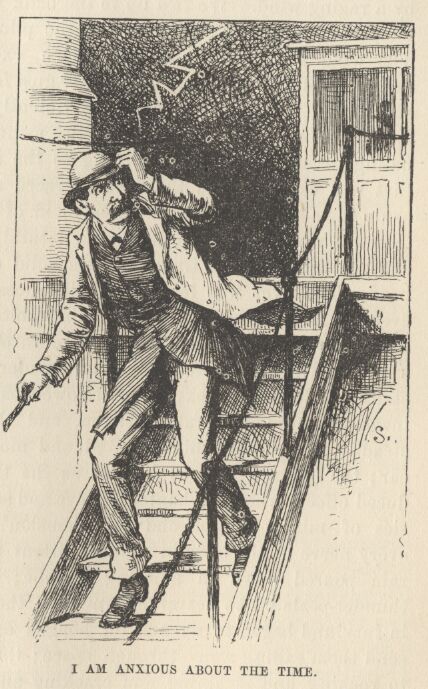
We had a heavy thunder-storm at Natchez, another at Vicksburg, and still another about fifty miles below Memphis. They had an old-fashioned energy which had long been unfamiliar to me. This third storm was accompanied by a raging wind. We tied up to the bank when we saw the tempest coming, and everybody left the pilot-house but me. The wind bent the young trees down, exposing the pale underside of the leaves; and gust after gust followed, in quick succession, thrashing the branches violently up and down, and to this side and that, and creating swift waves of alternating green and white according to the side of the leaf that was exposed, and these waves raced after each other as do their kind over a wind-tossed field of oats. No color that was visible anywhere was quite natural—all tints were charged with a leaden tinge from the solid cloud-bank overhead. The river was leaden; all distances the same; and even the far-reaching ranks of combing white-caps were dully shaded by the dark, rich atmosphere through which their swarming legions marched. The thunder-peals were constant and deafening; explosion followed explosion with but inconsequential intervals between, and the reports grew steadily sharper and higher-keyed, and more trying to the ear; the lightning was as diligent as the thunder, and produced effects which enchanted the eye and sent electric ecstasies of mixed delight and apprehension shivering along every nerve in the body in unintermittent procession. The rain poured down in amazing volume; the ear-splitting thunder-peals broke nearer and nearer; the wind increased in fury and began to wrench off boughs and tree-tops and send them sailing away through space; the pilot-house fell to rocking and straining and cracking and surging, and I went down in the hold to see what time it was.
We had a heavy thunderstorm at Natchez, another at Vicksburg, and a third about fifty miles below Memphis. They had an old-fashioned force that I had not experienced in a long time. The third storm came with a raging wind. When we saw it approaching, we tied up to the bank. Everyone left the pilot-house except me. The wind bent the young trees down, exposing the pale undersides of their leaves. Gust after gust followed in quick succession, thrashing the branches violently up and down and from side to side. The leaves showed first their green tops, then their pale undersides, creating swift waves of green and white. These waves raced after one another like waves across a wind-tossed field of oats. No color anywhere looked quite natural. A solid bank of clouds overhead gave every shade a leaden tint. The river was leaden, and so was everything in the distance. Even the long ranks of foaming whitecaps were dimmed by the dark, rich atmosphere through which their swarming legions marched. The thunder was constant and deafening. One explosion followed another, with barely a pause between them. The crashes grew sharper and higher in pitch, and harder on the ears. The lightning was as relentless as the thunder. Its effects enchanted the eye and sent endless shivers of delight and fear through every nerve in the body. The rain poured down in astonishing volume, and the deafening thunder broke closer and closer. The wind grew fiercer and began tearing off branches and treetops, sending them sailing through the air. The pilot-house rocked and strained and cracked and swayed, and I went down into the hold to see what time it was.
People boast a good deal about Alpine thunderstorms; but the storms which I have had the luck to see in the Alps were not the equals of some which I have seen in the Mississippi Valley. I may not have seen the Alps do their best, of course, and if they can beat the Mississippi, I don't wish to.
People boast a lot about thunderstorms in the Alps. But the storms I have been lucky enough to see there were not as impressive as some I have seen in the Mississippi Valley. Of course, I may not have seen the Alps at their best. And if storms in the Alps can beat those in the Mississippi Valley, I don't want to see them.
On this up trip I saw a little towhead (infant island) half a mile long, which had been formed during the past nineteen years. Since there was so much time to spare that nineteen years of it could be devoted to the construction of a mere towhead, where was the use, originally, in rushing this whole globe through in six days? It is likely that if more time had been taken, in the first place, the world would have been made right, and this ceaseless improving and repairing would not be necessary now. But if you hurry a world or a house, you are nearly sure to find out by and by that you have left out a towhead, or a broom-closet, or some other little convenience, here and there, which has got to be supplied, no matter how much expense and vexation it may cost.
On this trip upriver, I saw a little towhead (a young island) half a mile long. It had formed over the past nineteen years. If there was enough time to spend nineteen years making a mere towhead, why rush to make the whole globe in six days? If more time had been taken at the start, the world would probably have been made right. Then all this endless improvement and repair would not be necessary now. But if you rush to build a world or a house, you are almost sure to discover later that you left something out. It might be a towhead, a broom closet, or some other little convenience here and there. And you have to supply whatever is missing, no matter how much expense and frustration it may cause.
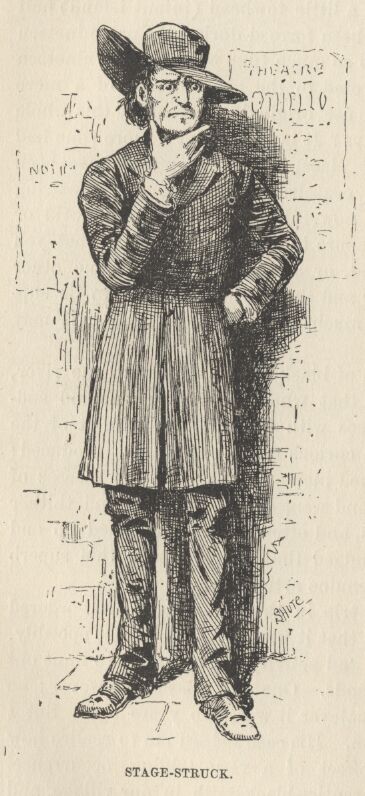
We had a succession of black nights, going up the river, and it was observable that whenever we landed, and suddenly inundated the trees with the intense sunburst of the electric light, a certain curious effect was always produced: hundreds of birds flocked instantly out from the masses of shining green foliage, and went careering hither and thither through the white rays, and often a song-bird tuned up and fell to singing. We judged that they mistook this superb artificial day for the genuine article. We had a delightful trip in that thoroughly well-ordered steamer, and regretted that it was accomplished so speedily. By means of diligence and activity, we managed to hunt out nearly all the old friends. One was missing, however; he went to his reward, whatever it was, two years ago. But I found out all about him. His case helped me to realize how lasting can be the effect of a very trifling occurrence. When he was an apprentice-blacksmith in our village, and I a schoolboy, a couple of young Englishmen came to the town and sojourned a while; and one day they got themselves up in cheap royal finery and did the Richard III swordfight with maniac energy and prodigious powwow, in the presence of the village boys. This blacksmith cub was there, and the histrionic poison entered his bones. This vast, lumbering, ignorant, dull-witted lout was stage-struck, and irrecoverably. He disappeared, and presently turned up in St. Louis. I ran across him there, by and by. He was standing musing on a street corner, with his left hand on his hip, the thumb of his right supporting his chin, face bowed and frowning, slouch hat pulled down over his forehead—imagining himself to be Othello or some such character, and imagining that the passing crowd marked his tragic bearing and were awestruck.
We had one pitch-black night after another as we traveled upriver. Whenever we landed, the electric light suddenly flooded the trees with a brilliant burst of light. Each time, the same curious thing happened. Hundreds of birds flew out from the masses of shining green leaves. They darted back and forth through the white rays, and often a songbird would strike up a song. We figured they mistook this magnificent artificial daylight for the real thing. We had a delightful trip on that thoroughly well-run steamer, and we regretted that it ended so quickly. By working hard and keeping busy, we managed to track down nearly all our old friends. One was missing, though. He had gone to his reward, whatever it was, two years earlier. But I learned all about him. His story helped me realize how lasting the effect of a very small event can be. He had been a blacksmith’s apprentice in our village when I was a schoolboy. At that time, two young Englishmen came to town and stayed for a while. One day they dressed up in cheap royal finery and acted out the swordfight from Richard III. They performed with frantic energy and tremendous noise before the village boys. The young blacksmith was there, and the poison of acting entered his bones. This huge, clumsy, ignorant, dull-witted lout was hopelessly bitten by the acting bug. He disappeared and soon turned up in St. Louis. I ran into him there some time later. He stood lost in thought on a street corner, his left hand on his hip and his right thumb supporting his chin. His face was bowed and frowning, and his slouch hat was pulled down over his forehead. He was imagining himself as Othello or some such character. He imagined, too, that the passing crowd noticed his tragic pose and was awestruck.
I joined him, and tried to get him down out of the clouds, but did not succeed. However, he casually informed me, presently, that he was a member of the Walnut Street theater company—and he tried to say it with indifference, but the indifference was thin, and a mighty exultation showed through it. He said he was cast for a part in Julius Caesar, for that night, and if I should come I would see him. If I should come! I said I wouldn't miss it if I were dead.
I joined him and tried to bring him back down to earth, but I couldn't. After a while, though, he casually told me he was a member of the Walnut Street theater company. He tried to sound indifferent, but his indifference was unconvincing. His great excitement showed through. He said he had a part in Julius Caesar that night, and if I came, I would see him. If I came! I said I wouldn't miss it even if I were dead.
I went away stupefied with astonishment, and saying to myself, 'How strange it is! We always thought this fellow a fool; yet the moment he comes to a great city, where intelligence and appreciation abound, the talent concealed in this shabby napkin is at once discovered, and promptly welcomed and honored.'
I walked away stunned, saying to myself, 'How strange! We always thought this fellow was a fool. Yet the moment he comes to a great city, where intelligence and appreciation abound, the talent hidden in this shabby napkin is discovered, welcomed, and honored.'
But I came away from the theater that night disappointed and offended; for I had had no glimpse of my hero, and his name was not in the bills. I met him on the street the next morning, and before I could speak, he asked—
But I left the theater that night disappointed and offended. I had not caught a glimpse of my hero, and his name was not on the playbills. I met him on the street the next morning, and before I could speak, he asked:
'Did you see me?'
'Did you see me?'
'No, you weren't there.'
'No, you weren't there.'
He looked surprised and disappointed. He said—
He looked surprised and disappointed. He said:
'Yes, I was. Indeed I was. I was a Roman soldier.'
'Yes, I was. I really was. I was a Roman soldier.'
'Which one?'
'Which one?'
'Why didn't you see them Roman soldiers that stood back there in a rank, and sometimes marched in procession around the stage?'
'Why didn't you see those Roman soldiers standing in a line back there? They sometimes marched around the stage in a procession.'
'Do you mean the Roman army?—those six sandaled roustabouts in nightshirts, with tin shields and helmets, that marched around treading on each other's heels, in charge of a spider-legged consumptive dressed like themselves?'
'Do you mean the Roman army? Those six sandaled laborers in nightshirts, with tin shields and helmets? The ones who marched around stepping on each other's heels, led by a spider-legged man with tuberculosis, dressed like them?'
'That's it! that's it! I was one of them Roman soldiers. I was the next to the last one. A half a year ago I used to always be the last one; but I've been promoted.'
'That's it! That's it! I was one of those Roman soldiers. I was second to last. Six months ago, I was always last, but I've been promoted.'
Well, they told me that that poor fellow remained a Roman soldier to the last—a matter of thirty-four years. Sometimes they cast him for a 'speaking part,' but not an elaborate one. He could be trusted to go and say, 'My lord, the carriage waits,' but if they ventured to add a sentence or two to this, his memory felt the strain and he was likely to miss fire. Yet, poor devil, he had been patiently studying the part of Hamlet for more than thirty years, and he lived and died in the belief that some day he would be invited to play it!
Well, they told me that the poor fellow remained a Roman soldier to the end, for thirty-four years. Sometimes they gave him a 'speaking part,' but not a long one. They could trust him to go and say, 'My lord, the carriage waits.' But if they added a sentence or two, his memory was strained, and he was likely to forget his lines. Yet, poor devil, he had patiently studied the part of Hamlet for more than thirty years. He lived and died believing that someday he would be invited to play it!
And this is what came of that fleeting visit of those young Englishmen to our village such ages and ages ago! What noble horseshoes this man might have made, but for those Englishmen; and what an inadequate Roman soldier he did make!
And this is what came of those young Englishmen’s brief visit to our village so very long ago! What fine horseshoes this man might have made if not for those Englishmen, and what a poor Roman soldier he did make!
A day or two after we reached St. Louis, I was walking along Fourth Street when a grizzly-headed man gave a sort of start as he passed me, then stopped, came back, inspected me narrowly, with a clouding brow, and finally said with deep asperity—
A day or two after we reached St. Louis, I was walking along Fourth Street. A gray-haired man seemed startled as he passed me. He stopped, came back, and studied me closely, his brow growing dark. Finally, he said sharply:
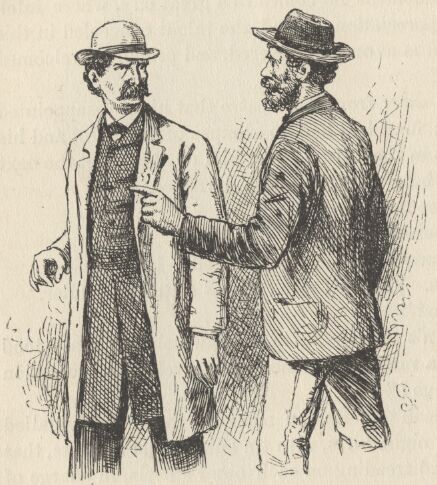
'Look here, have you got that drink yet?'
'Look here, have you got that drink yet?'
A maniac, I judged, at first. But all in a flash I recognized him. I made an effort to blush that strained every muscle in me, and answered as sweetly and winningly as ever I knew how—
At first, I thought he was a madman. But in a flash, I recognized him. I tried to blush, straining every muscle in my body, and answered as sweetly and charmingly as I could:
'Been a little slow, but am just this minute closing in on the place where they keep it. Come in and help.'
'I've been a little slow, but I'm just now getting close to where they keep it. Come in and help.'
He softened, and said make it a bottle of champagne and he was agreeable. He said he had seen my name in the papers, and had put all his affairs aside and turned out, resolved to find me or die; and make me answer that question satisfactorily, or kill me; though the most of his late asperity had been rather counterfeit than otherwise.
He softened and said he would agree if I made it a bottle of champagne. He said he had seen my name in the papers, put all his affairs aside, and set out to find me. He was determined to find me or die, and to make me answer that question satisfactorily or kill me. Though most of his recent harshness had been more or less an act.
This meeting brought back to me the St. Louis riots of about thirty years ago. I spent a week there, at that time, in a boarding-house, and had this young fellow for a neighbor across the hall. We saw some of the fightings and killings; and by and by we went one night to an armory where two hundred young men had met, upon call, to be armed and go forth against the rioters, under command of a military man. We drilled till about ten o'clock at night; then news came that the mob were in great force in the lower end of the town, and were sweeping everything before them. Our column moved at once. It was a very hot night, and my musket was very heavy. We marched and marched; and the nearer we approached the seat of war, the hotter I grew and the thirstier I got. I was behind my friend; so, finally, I asked him to hold my musket while I dropped out and got a drink. Then I branched off and went home. I was not feeling any solicitude about him of course, because I knew he was so well armed, now, that he could take care of himself without any trouble. If I had had any doubts about that, I would have borrowed another musket for him. I left the city pretty early the next morning, and if this grizzled man had not happened to encounter my name in the papers the other day in St. Louis, and felt moved to seek me out, I should have carried to my grave a heart-torturing uncertainty as to whether he ever got out of the riots all right or not. I ought to have inquired, thirty years ago; I know that. And I would have inquired, if I had had the muskets; but, in the circumstances, he seemed better fixed to conduct the investigations than I was.
This meeting reminded me of the St. Louis riots about thirty years ago. I spent a week there at the time, in a boarding house. This young fellow was my neighbor across the hall. We saw some of the fighting and killing. Later, one night, we went to an armory. Two hundred young men had been called there to take up arms against the rioters, under a military officer’s command. We drilled until about ten that night. Then news came that the mob was out in force at the lower end of town, sweeping everything before it. Our column moved at once. It was a very hot night, and my musket was very heavy. We marched and marched. The closer we got to the fighting, the hotter and thirstier I became. I was behind my friend, so I finally asked him to hold my musket while I stepped out for a drink. Then I went off and headed home. Of course, I wasn’t worried about him. I knew he was so well armed now that he could take care of himself without any trouble. If I had doubted that, I would have borrowed another musket for him. I left the city pretty early the next morning. The other day in St. Louis, this grizzled man happened to see my name in the papers and decided to seek me out. Otherwise, I would have gone to my grave tortured by uncertainty over whether he had made it through the riots safely. I know I should have asked about him thirty years ago. And I would have, if I had had the muskets. But given the circumstances, he seemed better equipped to investigate than I was.
One Monday, near the time of our visit to St. Louis, the 'Globe-Democrat' came out with a couple of pages of Sunday statistics, whereby it appeared that 119,448 St. Louis people attended the morning and evening church services the day before, and 23,102 children attended Sunday-school. Thus 142,550 persons, out of the city's total of 400,000 population, respected the day religious-wise. I found these statistics, in a condensed form, in a telegram of the Associated Press, and preserved them. They made it apparent that St. Louis was in a higher state of grace than she could have claimed to be in my time. But now that I canvass the figures narrowly, I suspect that the telegraph mutilated them. It cannot be that there are more than 150,000 Catholics in the town; the other 250,000 must be classified as Protestants. Out of these 250,000, according to this questionable telegram, only 26,362 attended church and Sunday-school, while out of the 150,000 Catholics, 116,188 went to church and Sunday-school.
One Monday, around the time of our visit to St. Louis, the 'Globe-Democrat' published a couple of pages of Sunday statistics. The figures showed that 119,448 St. Louis residents had attended church services that morning and evening. Another 23,102 children had attended Sunday school. So 142,550 people, out of the city's total population of 400,000, had observed the day religiously. I found a summary of the statistics in an Associated Press telegram and saved it. The figures showed that St. Louis was in a higher state of grace than it could have claimed in my time. But now that I look closely at the figures, I suspect the telegraph garbled them. There cannot be more than 150,000 Catholics in the city. The other 250,000 must be Protestants. According to this questionable telegram, only 26,362 of those 250,000 attended church and Sunday school. Yet 116,188 of the 150,000 Catholics went to church and Sunday school.