Chapter 17
Cutoffs and Stephen
THESE dry details are of importance in one particular. They give me an opportunity of introducing one of the Mississippi's oddest peculiarities,—that of shortening its length from time to time. If you will throw a long, pliant apple-paring over your shoulder, it will pretty fairly shape itself into an average section of the Mississippi River; that is, the nine or ten hundred miles stretching from Cairo, Illinois, southward to New Orleans, the same being wonderfully crooked, with a brief straight bit here and there at wide intervals. The two hundred-mile stretch from Cairo northward to St. Louis is by no means so crooked, that being a rocky country which the river cannot cut much.
These dry details matter in one respect. They give me a chance to introduce one of the Mississippi’s oddest peculiarities: it shortens itself from time to time. If you throw a long, flexible apple peel over your shoulder, it will form a fairly good likeness of an average section of the Mississippi River. I mean the nine or ten hundred miles stretching south from Cairo, Illinois, to New Orleans. That stretch is wonderfully crooked, with a short straight bit here and there at long intervals. The two hundred miles north from Cairo to St. Louis are not nearly so crooked. That stretch runs through rocky country, which the river cannot cut into much.
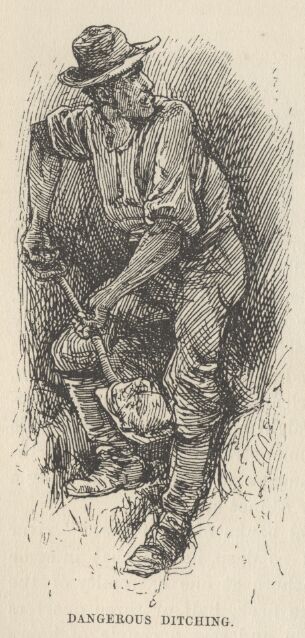
The water cuts the alluvial banks of the 'lower' river into deep horseshoe curves; so deep, indeed, that in some places if you were to get ashore at one extremity of the horseshoe and walk across the neck, half or three quarters of a mile, you could sit down and rest a couple of hours while your steamer was coming around the long elbow, at a speed of ten miles an hour, to take you aboard again. When the river is rising fast, some scoundrel whose plantation is back in the country, and therefore of inferior value, has only to watch his chance, cut a little gutter across the narrow neck of land some dark night, and turn the water into it, and in a wonderfully short time a miracle has happened: to wit, the whole Mississippi has taken possession of that little ditch, and placed the countryman's plantation on its bank (quadrupling its value), and that other party's formerly valuable plantation finds itself away out yonder on a big island; the old watercourse around it will soon shoal up, boats cannot approach within ten miles of it, and down goes its value to a fourth of its former worth. Watches are kept on those narrow necks, at needful times, and if a man happens to be caught cutting a ditch across them, the chances are all against his ever having another opportunity to cut a ditch.
The water cuts the alluvial banks of the 'lower' river into deep horseshoe bends. In some places, the bends are remarkably deep. You could go ashore at one end and walk half or three quarters of a mile across the narrow neck. Then you could sit down and rest for a couple of hours. Meanwhile, your steamboat would travel around the long bend at ten miles an hour to pick you up again. When the river is rising fast, a scoundrel with a less valuable plantation inland has only to watch for a chance. On some dark night, he cuts a small ditch across the narrow neck of land and directs water into it. In a remarkably short time, a miracle has happened. The whole Mississippi has taken over that little ditch and put the countryman's plantation on its bank, quadrupling its value. Meanwhile, the other man's once valuable plantation finds itself way out on a big island. The old channel around the island will soon become shallow, and boats will be unable to get within ten miles. The plantation's value falls to a quarter of what it was. When necessary, people keep watch on those narrow necks. If a man happens to be caught cutting a ditch across one, the odds are all against his ever getting another chance to cut a ditch.
Pray observe some of the effects of this ditching business. Once there was a neck opposite Port Hudson, Louisiana, which was only half a mile across, in its narrowest place. You could walk across there in fifteen minutes; but if you made the journey around the cape on a raft, you traveled thirty-five miles to accomplish the same thing. In 1722 the river darted through that neck, deserted its old bed, and thus shortened itself thirty-five miles. In the same way it shortened itself twenty-five miles at Black Hawk Point in 1699. Below Red River Landing, Raccourci cut-off was made (forty or fifty years ago, I think). This shortened the river twenty-eight miles. In our day, if you travel by river from the southernmost of these three cut-offs to the northernmost, you go only seventy miles. To do the same thing a hundred and seventy-six years ago, one had to go a hundred and fifty-eight miles!—shortening of eighty-eight miles in that trifling distance. At some forgotten time in the past, cut-offs were made above Vidalia, Louisiana; at island 92; at island 84; and at Hale's Point. These shortened the river, in the aggregate, seventy-seven miles.
Consider some of the effects of this ditching business. Once there was a neck of land opposite Port Hudson, Louisiana. At its narrowest point, it was only half a mile across. You could walk across it in fifteen minutes. But if you went around the cape on a raft, you traveled thirty-five miles to reach the same place. In 1722 the river darted through that neck of land and abandoned its old bed. In doing so, it shortened itself by thirty-five miles. In the same way, it shortened itself by twenty-five miles at Black Hawk Point in 1699. The Raccourci cut-off was made below Red River Landing, forty or fifty years ago, I think. It shortened the river by twenty-eight miles. In our day, you travel only seventy miles by river from the southernmost of these three cut-offs to the northernmost. To make the same trip a hundred and seventy-six years ago, you had to go a hundred and fifty-eight miles! That is a shortening of eighty-eight miles over that trifling distance. At some forgotten time in the past, cut-offs were made above Vidalia, Louisiana, at island 92, at island 84, and at Hale's Point. Together, these shortened the river by seventy-seven miles.
Since my own day on the Mississippi, cut-offs have been made at Hurricane Island; at island 100; at Napoleon, Arkansas; at Walnut Bend; and at Council Bend. These shortened the river, in the aggregate, sixty-seven miles. In my own time a cut-off was made at American Bend, which shortened the river ten miles or more.
Since my days on the Mississippi, cut-offs have been made at Hurricane Island, island 100, Napoleon, Arkansas, Walnut Bend, and Council Bend. Together, these cut-offs shortened the river by sixty-seven miles. In my time, a cut-off at American Bend shortened the river by ten miles or more.
Therefore, the Mississippi between Cairo and New Orleans was twelve hundred and fifteen miles long one hundred and seventy-six years ago. It was eleven hundred and eighty after the cut-off of 1722. It was one thousand and forty after the American Bend cut-off. It has lost sixty-seven miles since. Consequently its length is only nine hundred and seventy-three miles at present.
So, 176 years ago, the Mississippi was 1,215 miles long between Cairo and New Orleans. After the cut-off of 1722, it was 1,180 miles long. After the American Bend cut-off, it was 1,040 miles long. It has lost 67 miles since then. So its length is now only 973 miles.
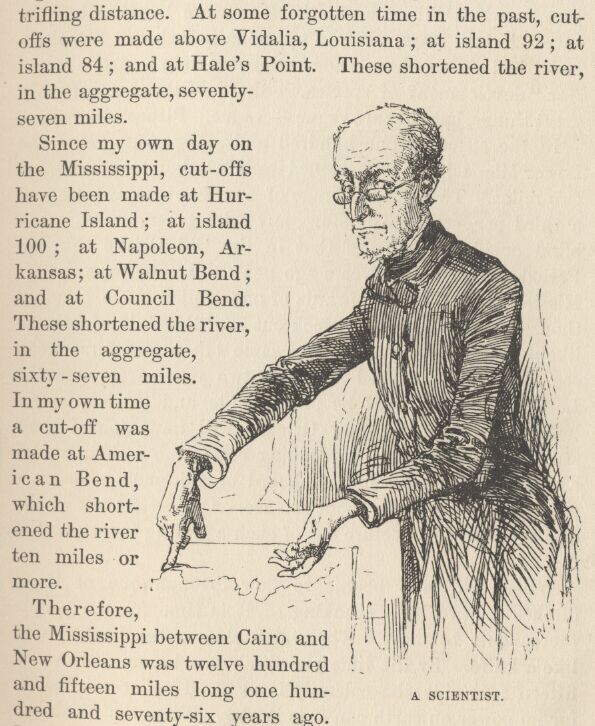
Now, if I wanted to be one of those ponderous scientific people, and 'let on' to prove what had occurred in the remote past by what had occurred in a given time in the recent past, or what will occur in the far future by what has occurred in late years, what an opportunity is here! Geology never had such a chance, nor such exact data to argue from! Nor 'development of species,' either! Glacial epochs are great things, but they are vague—vague. Please observe:—
Now, suppose I wanted to be one of those pompous scientific people. I could 'pretend' to prove what happened in the distant past from what happened over a certain period recently. Or I could pretend to prove what will happen in the distant future from what has happened in recent years. What an opportunity! Geology never had such a chance or such precise data to argue from! Neither did 'development of species'! Ice ages are impressive things, but they are vague, vague. Just look:
In the space of one hundred and seventy-six years the Lower Mississippi has shortened itself two hundred and forty-two miles. That is an average of a trifle over one mile and a third per year. Therefore, any calm person, who is not blind or idiotic, can see that in the Old Oolitic Silurian Period,' just a million years ago next November, the Lower Mississippi River was upwards of one million three hundred thousand miles long, and stuck out over the Gulf of Mexico like a fishing-rod. And by the same token any person can see that seven hundred and forty-two years from now the Lower Mississippi will be only a mile and three-quarters long, and Cairo and New Orleans will have joined their streets together, and be plodding comfortably along under a single mayor and a mutual board of aldermen. There is something fascinating about science. One gets such wholesale returns of conjecture out of such a trifling investment of fact.
Over 176 years, the Lower Mississippi has shortened itself by 242 miles. That averages a little over one and a third miles per year. Therefore, any calm person who is neither blind nor an idiot can see what follows. In the Old Oolitic Silurian Period, just a million years ago next November, the Lower Mississippi River was over 1,300,000 miles long. It stuck out over the Gulf of Mexico like a fishing rod. By the same reasoning, anyone can see what will happen 742 years from now. The Lower Mississippi will be only a mile and three-quarters long. Cairo and New Orleans will have joined their streets together. They will be plodding comfortably along under one mayor and a shared board of aldermen. There is something fascinating about science. You get such a huge return of guesses from such a tiny investment of fact.
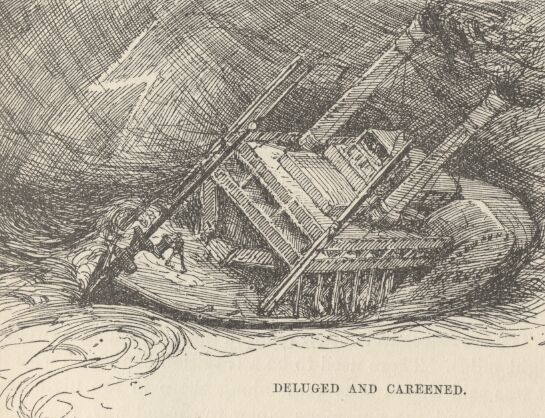
When the water begins to flow through one of those ditches I have been speaking of, it is time for the people thereabouts to move. The water cleaves the banks away like a knife. By the time the ditch has become twelve or fifteen feet wide, the calamity is as good as accomplished, for no power on earth can stop it now. When the width has reached a hundred yards, the banks begin to peel off in slices half an acre wide. The current flowing around the bend traveled formerly only five miles an hour; now it is tremendously increased by the shortening of the distance. I was on board the first boat that tried to go through the cut-off at American Bend, but we did not get through. It was toward midnight, and a wild night it was—thunder, lightning, and torrents of rain. It was estimated that the current in the cut-off was making about fifteen or twenty miles an hour; twelve or thirteen was the best our boat could do, even in tolerably slack water, therefore perhaps we were foolish to try the cut-off. However, Mr. Brown was ambitious, and he kept on trying. The eddy running up the bank, under the 'point,' was about as swift as the current out in the middle; so we would go flying up the shore like a lightning express train, get on a big head of steam, and 'stand by for a surge' when we struck the current that was whirling by the point. But all our preparations were useless. The instant the current hit us it spun us around like a top, the water deluged the forecastle, and the boat careened so far over that one could hardly keep his feet. The next instant we were away down the river, clawing with might and main to keep out of the woods. We tried the experiment four times. I stood on the forecastle companion way to see. It was astonishing to observe how suddenly the boat would spin around and turn tail the moment she emerged from the eddy and the current struck her nose. The sounding concussion and the quivering would have been about the same if she had come full speed against a sand-bank. Under the lightning flashes one could see the plantation cabins and the goodly acres tumble into the river; and the crash they made was not a bad effort at thunder. Once, when we spun around, we only missed a house about twenty feet, that had a light burning in the window; and in the same instant that house went overboard. Nobody could stay on our forecastle; the water swept across it in a torrent every time we plunged athwart the current. At the end of our fourth effort we brought up in the woods two miles below the cut-off; all the country there was overflowed, of course. A day or two later the cut-off was three-quarters of a mile wide, and boats passed up through it without much difficulty, and so saved ten miles.
When water begins to flow through one of the ditches I have been talking about, people nearby had better move. The water cuts away the banks like a knife. By the time the ditch is twelve or fifteen feet wide, the disaster is as good as done. No power on earth can stop it now. When the ditch reaches a hundred yards wide, the banks begin to peel away in slices half an acre wide. The current used to travel around the bend at only five miles an hour. Now, because the route is shorter, the current is much faster. I was aboard the first boat that tried to pass through the cut-off at American Bend, but we failed. It was nearly midnight, and a wild night it was, with thunder, lightning, and torrents of rain. The current in the cut-off was estimated at fifteen or twenty miles an hour. Our boat could do twelve or thirteen at best, even in fairly slack water. So perhaps we were foolish to try the cut-off. But Mr. Brown was ambitious, and he kept trying. The eddy running upstream along the bank, under the 'point,' was about as swift as the current in midriver. So we would go flying up the shore like a lightning express train. We would build up a full head of steam and 'stand by for a surge' when we hit the current rushing past the point. But all our preparations were useless. The instant the current hit us, it spun us around like a top. Water flooded the forecastle, and the boat tilted so far that a person could hardly stand. The next instant we were far downriver, struggling with all our might to keep out of the woods. We tried four times. I stood at the forecastle companionway to watch. It was astonishing how suddenly the boat spun around and turned tail. Each time, it happened the moment the boat left the eddy and the current struck its bow. The crashing sound and the shaking would have been about the same if we had hit a sandbank at full speed. In the lightning flashes, we could see plantation cabins and broad acres tumble into the river. The crash they made was a pretty good imitation of thunder. Once, as we spun around, we missed a house by only about twenty feet. A light was burning in its window. At that very instant, the house went overboard. Nobody could stay on our forecastle. Every time we plunged across the current, water swept over it in a torrent. At the end of our fourth attempt, we came to rest in the woods two miles below the cut-off. All the country there was flooded, of course. A day or two later, the cut-off was three-quarters of a mile wide. Boats passed upstream through it without much difficulty, saving ten miles.
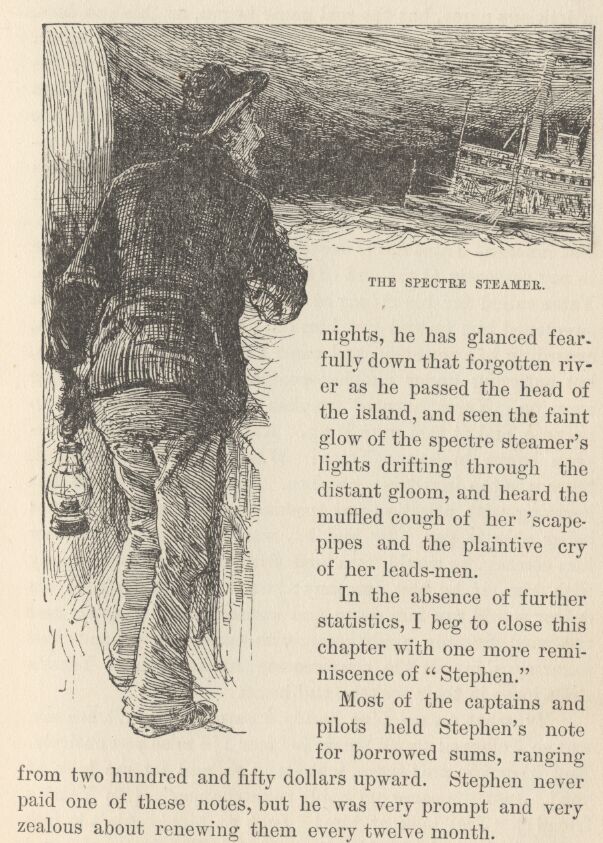
The old Raccourci cut-off reduced the river's length twenty-eight miles. There used to be a tradition connected with it. It was said that a boat came along there in the night and went around the enormous elbow the usual way, the pilots not knowing that the cut-off had been made. It was a grisly, hideous night, and all shapes were vague and distorted. The old bend had already begun to fill up, and the boat got to running away from mysterious reefs, and occasionally hitting one. The perplexed pilots fell to swearing, and finally uttered the entirely unnecessary wish that they might never get out of that place. As always happens in such cases, that particular prayer was answered, and the others neglected. So to this day that phantom steamer is still butting around in that deserted river, trying to find her way out. More than one grave watchman has sworn to me that on drizzly, dismal nights, he has glanced fearfully down that forgotten river as he passed the head of the island, and seen the faint glow of the specter steamer's lights drifting through the distant gloom, and heard the muffled cough of her 'scape-pipes and the plaintive cry of her leadsmen.
The old Raccourci cut-off shortened the river by twenty-eight miles. There used to be a story about it. A boat was said to have come along there at night and taken the usual route around the enormous bend. The pilots did not know the cut-off had been made. It was a grim, terrifying night, and all shapes were vague and distorted. The old bend had already begun to fill up. The boat started dodging mysterious reefs and occasionally hitting one. The bewildered pilots began to swear. Finally, they made the entirely unnecessary wish that they might never get out of the place. As always happens in such cases, that particular prayer was answered, and the others were ignored. So, to this day, that phantom steamer is still bumping around in the deserted river, trying to find its way out. More than one solemn watchman has sworn to me that he saw the steamer on drizzly, dismal nights. As he passed the head of the island, he glanced fearfully down the forgotten river. There he saw the faint glow of the ghostly steamer's lights drifting through the distant gloom. He also heard the muffled cough of its exhaust pipes and the mournful cries of its leadsmen, calling out the water's depth.
In the absence of further statistics, I beg to close this chapter with one more reminiscence of 'Stephen.'
With no more statistics to offer, I will close this chapter with one more memory of 'Stephen.'
Most of the captains and pilots held Stephen's note for borrowed sums, ranging from two hundred and fifty dollars upward. Stephen never paid one of these notes, but he was very prompt and very zealous about renewing them every twelve months.
Most of the captains and pilots held notes for money Stephen had borrowed, starting at $250. Stephen never paid any of these notes. But he was always very prompt and eager to renew them every twelve months.
Of course there came a time, at last, when Stephen could no longer borrow of his ancient creditors; so he was obliged to lie in wait for new men who did not know him. Such a victim was good-hearted, simple natured young Yates (I use a fictitious name, but the real name began, as this one does, with a Y). Young Yates graduated as a pilot, got a berth, and when the month was ended and he stepped up to the clerk's office and received his two hundred and fifty dollars in crisp new bills, Stephen was there! His silvery tongue began to wag, and in a very little while Yates's two hundred and fifty dollars had changed hands. The fact was soon known at pilot headquarters, and the amusement and satisfaction of the old creditors were large and generous. But innocent Yates never suspected that Stephen's promise to pay promptly at the end of the week was a worthless one. Yates called for his money at the stipulated time; Stephen sweetened him up and put him off a week. He called then, according to agreement, and came away sugar-coated again, but suffering under another postponement. So the thing went on. Yates haunted Stephen week after week, to no purpose, and at last gave it up. And then straightway Stephen began to haunt Yates! Wherever Yates appeared, there was the inevitable Stephen. And not only there, but beaming with affection and gushing with apologies for not being able to pay. By and by, whenever poor Yates saw him coming, he would turn and fly, and drag his company with him, if he had company; but it was of no use; his debtor would run him down and corner him. Panting and red-faced, Stephen would come, with outstretched hands and eager eyes, invade the conversation, shake both of Yates's arms loose in their sockets, and begin—
Of course, the time finally came when Stephen could no longer borrow from his old creditors. So he had to lie in wait for new men who did not know him. One such victim was good-hearted, innocent young Yates. I use a fictitious name, but his real name began with a Y, too. Young Yates qualified as a pilot and got a job. At the end of the month, he went to the clerk’s office and received his two hundred and fifty dollars in crisp new bills. Stephen was there! His silver tongue began to work, and before long, Yates’s two hundred and fifty dollars had changed hands. The news soon reached pilot headquarters, where the old creditors took great pleasure and satisfaction in it. But innocent Yates never suspected that Stephen’s promise to pay him back promptly at the end of the week was worthless. Yates called for his money at the agreed time. Stephen charmed him and put him off for a week. Yates called again as agreed and came away sweetened up once more, but with another delay to endure. And so it went. Yates pursued Stephen week after week, without success, and finally gave up. Then Stephen immediately began to pursue Yates! Wherever Yates appeared, Stephen was sure to be there. And Stephen did more than appear. He beamed with affection and poured out apologies for being unable to pay. Before long, whenever poor Yates saw him coming, he would turn and flee. If he had company, he dragged them along with him. But it was no use. His debtor would chase him down and corner him. Panting and red-faced, Stephen would come with outstretched hands and eager eyes. He would interrupt the conversation, shake both of Yates’s arms loose in their sockets, and begin:
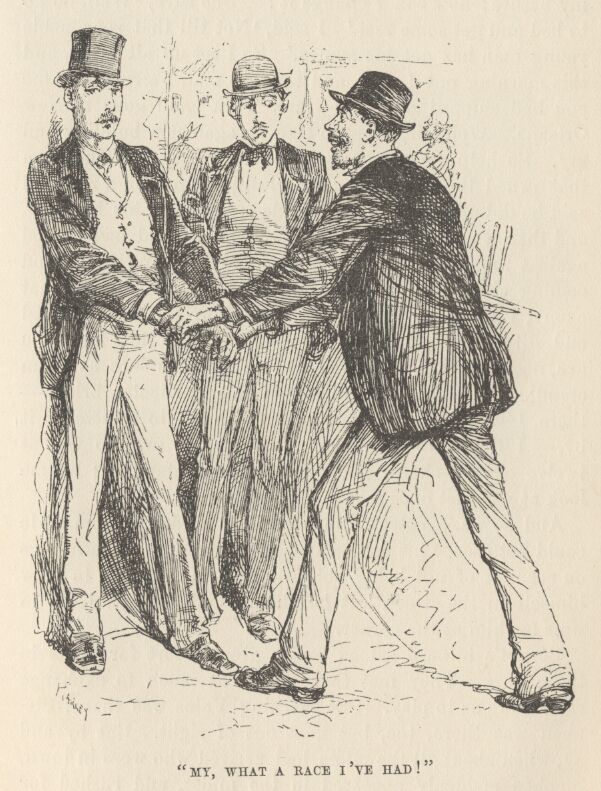
'My, what a race I've had! I saw you didn't see me, and so I clapped on all steam for fear I'd miss you entirely. And here you are! there, just stand so, and let me look at you! just the same old noble countenance.' [To Yates's friend:] 'Just look at him! Look at him! Ain't it just good to look at him! ain't it now? Ain't he just a picture! Some call him a picture; I call him a panorama! That's what he is—an entire panorama. And now I'm reminded! How I do wish I could have seen you an hour earlier! For twenty-four hours I've been saving up that two hundred and fifty dollars for you; been looking for you everywhere. I waited at the Planter's from six yesterday evening till two o'clock this morning, without rest or food; my wife says, “Where have you been all night?” I said, “This debt lies heavy on my mind.” She says, “In all my days I never saw a man take a debt to heart the way you do.” I said, “It's my nature; how can I change it?” She says, “Well, do go to bed and get some rest.” I said, “Not till that poor, noble young man has got his money.” So I set up all night, and this morning out I shot, and the first man I struck told me you had shipped on the “Grand Turk” and gone to New Orleans. Well, sir, I had to lean up against a building and cry. So help me goodness, I couldn't help it. The man that owned the place come out cleaning up with a rag, and said he didn't like to have people cry against his building, and then it seemed to me that the whole world had turned against me, and it wasn't any use to live any more; and coming along an hour ago, suffering no man knows what agony, I met Jim Wilson and paid him the two hundred and fifty dollars on account; and to think that here you are, now, and I haven't got a cent! But as sure as I am standing here on this ground on this particular brick,—there, I've scratched a mark on the brick to remember it by,—I'll borrow that money and pay it over to you at twelve o'clock sharp, tomorrow! Now, stand so; let me look at you just once more.'
'My, what a chase I've had! I saw you didn't see me, so I went full steam ahead. I was afraid I'd miss you entirely. And here you are! There, just stand like that and let me look at you! The same old noble face.' [To Yates's friend:] 'Just look at him! Look at him! Isn't it just good to look at him! Isn't it now? Isn't he just a picture! Some call him a picture. I call him a panorama! That's what he is, an entire panorama. 'And now I'm reminded! How I wish I could have seen you an hour earlier! For twenty-four hours I've been saving that two hundred and fifty dollars for you. I've been looking for you everywhere. I waited at the Planter's from six yesterday evening until two this morning, without rest or food. My wife says, “Where have you been all night?” I said, “This debt weighs heavily on my mind.” She says, “In all my days, I've never seen a man take a debt to heart the way you do.” I said, “It's my nature. How can I change it?” She says, “Well, do go to bed and get some rest.” I said, “Not until that poor, noble young man has his money.” 'So I stayed up all night, and this morning I rushed out. The first man I met told me you had taken a job on the “Grand Turk” and gone to New Orleans. Well, sir, I had to lean against a building and cry. So help me goodness, I couldn't help it. The owner came out cleaning up with a rag. He said he didn't like people crying against his building. Then it seemed to me that the whole world had turned against me. It seemed there was no use living anymore. An hour ago, as I was coming along, suffering agony no man knows, I met Jim Wilson. I paid him the two hundred and fifty dollars toward what I owed him. And to think that here you are now, and I haven't got a cent! 'But as surely as I'm standing here on this particular brick, I'll borrow that money. I'll pay it to you at twelve o'clock sharp tomorrow! There, I've scratched a mark on the brick so I'll remember it. Now, stand like that. Let me look at you just once more.'
And so on. Yates's life became a burden to him. He could not escape his debtor and his debtor's awful sufferings on account of not being able to pay. He dreaded to show himself in the street, lest he should find Stephen lying in wait for him at the corner.
And so on. Life became a burden to Yates. He could not escape the man who owed him money or the man's terrible suffering over being unable to pay. Yates dreaded going out on the street, for fear of finding Stephen waiting for him at the corner.
Bogart's billiard saloon was a great resort for pilots in those days. They met there about as much to exchange river news as to play. One morning Yates was there; Stephen was there, too, but kept out of sight. But by and by, when about all the pilots had arrived who were in town, Stephen suddenly appeared in the midst, and rushed for Yates as for a long-lost brother.
Bogart's billiard hall was a popular gathering place for pilots in those days. They met there to exchange river news as much as to play. One morning Yates was there. Stephen was there too, but stayed out of sight. But after nearly all the pilots in town had arrived, Stephen suddenly appeared among them. He rushed toward Yates as if greeting a long-lost brother.
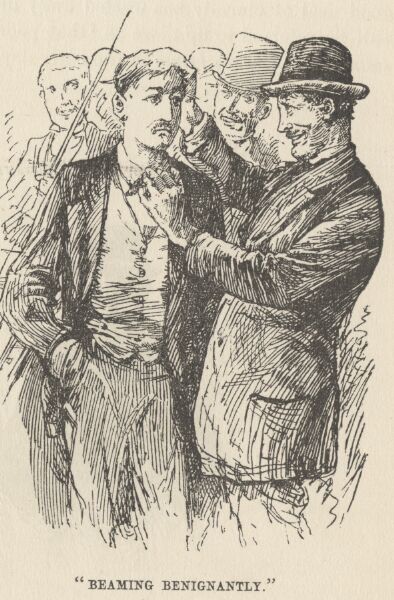
'Oh, I am so glad to see you! Oh my soul, the sight of you is such a comfort to my eyes! Gentlemen, I owe all of you money; among you I owe probably forty thousand dollars. I want to pay it; I intend to pay it every last cent of it. You all know, without my telling you, what sorrow it has cost me to remain so long under such deep obligations to such patient and generous friends; but the sharpest pang I suffer—by far the sharpest—is from the debt I owe to this noble young man here; and I have come to this place this morning especially to make the announcement that I have at last found a method whereby I can pay off all my debts! And most especially I wanted him to be here when I announced it. Yes, my faithful friend,—my benefactor, I've found the method! I've found the method to pay off all my debts, and you'll get your money!' Hope dawned in Yates's eye; then Stephen, beaming benignantly, and placing his hand upon Yates's head, added, 'I am going to pay them off in alphabetical order!'
'Oh, I am so glad to see you! Oh, my soul, seeing you is such a comfort to my eyes! Gentlemen, I owe all of you money. Altogether, I probably owe you forty thousand dollars. I want to pay it, and I intend to pay every last cent. You all know, without my telling you, how much sorrow I have felt. I have owed so much for so long to such patient and generous friends. But the sharpest pain I feel, by far, comes from my debt to this noble young man here. I came here this morning especially to announce that I have finally found a way to pay off all my debts! And I especially wanted him to be here when I announced it. Yes, my faithful friend, my benefactor, I've found the way! I've found the way to pay off all my debts, and you'll get your money!' Hope dawned in Yates's eyes. Then Stephen smiled kindly, placed his hand on Yates's head, and added, 'I am going to pay them off in alphabetical order!'
Then he turned and disappeared. The full significance of Stephen's 'method' did not dawn upon the perplexed and musing crowd for some two minutes; and then Yates murmured with a sigh—
Then he turned and disappeared. For about two minutes, the puzzled crowd thought over Stephen's 'method' without grasping its full meaning. Then Yates sighed and murmured:
'Well, the Y's stand a gaudy chance. He won't get any further than the C's in this world, and I reckon that after a good deal of eternity has wasted away in the next one, I'll still be referred to up there as “that poor, ragged pilot that came here from St. Louis in the early days!”
'Well, the Y's don't stand much of a chance. He won't get any further than the C's in this world. And I reckon that even after a good deal of eternity has passed in the next world, I'll still be called “that poor, ragged pilot who came here from St. Louis in the early days!”'