Chapter 13
A Pilot's Needs
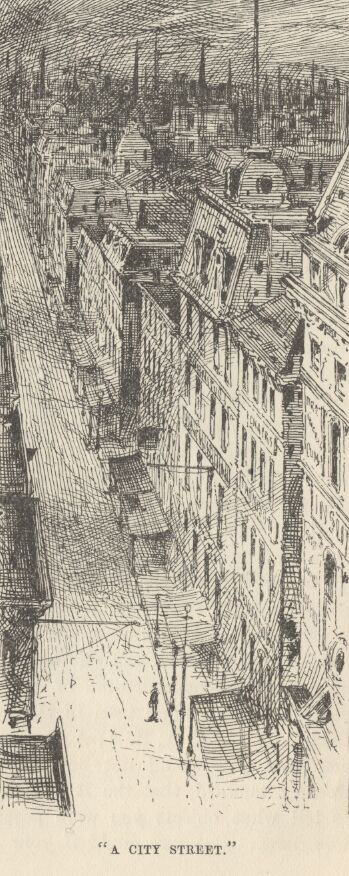
BUT I am wandering from what I was intending to do, that is, make plainer than perhaps appears in the previous chapters, some of the peculiar requirements of the science of piloting. First of all, there is one faculty which a pilot must incessantly cultivate until he has brought it to absolute perfection. Nothing short of perfection will do. That faculty is memory. He cannot stop with merely thinking a thing is so and so; he must know it; for this is eminently one of the 'exact' sciences. With what scorn a pilot was looked upon, in the old times, if he ever ventured to deal in that feeble phrase 'I think,' instead of the vigorous one 'I know!' One cannot easily realize what a tremendous thing it is to know every trivial detail of twelve hundred miles of river and know it with absolute exactness. If you will take the longest street in New York, and travel up and down it, conning its features patiently until you know every house and window and door and lamp-post and big and little sign by heart, and know them so accurately that you can instantly name the one you are abreast of when you are set down at random in that street in the middle of an inky black night, you will then have a tolerable notion of the amount and the exactness of a pilot's knowledge who carries the Mississippi River in his head. And then if you will go on until you know every street crossing, the character, size, and position of the crossing-stones, and the varying depth of mud in each of those numberless places, you will have some idea of what the pilot must know in order to keep a Mississippi steamer out of trouble. Next, if you will take half of the signs in that long street, and change their places once a month, and still manage to know their new positions accurately on dark nights, and keep up with these repeated changes without making any mistakes, you will understand what is required of a pilot's peerless memory by the fickle Mississippi.
BUT I am wandering from what I meant to do. I meant to make some peculiar requirements of the science of piloting clearer than they perhaps appear in the previous chapters. First of all, a pilot must constantly cultivate one faculty until he has brought it to absolute perfection. Nothing short of perfection will do. That faculty is memory. He cannot simply think a thing is so. He must know it, for piloting is very much one of the 'exact' sciences. In the old days, a pilot was scorned if he dared use the weak phrase 'I think,' instead of the vigorous one 'I know!' It is hard to grasp what a tremendous feat it is to know every trivial detail of twelve hundred miles of river with absolute precision. Take the longest street in New York and travel up and down it. Study its features patiently until you know every house, window, door, lamp-post, and sign, big or small, by heart. Suppose you know them so accurately that you can identify whichever one you are beside. You can do this even if you are set down at random in that street in the middle of an ink-black night. Then you will have a fair idea of the amount and precision of the knowledge a pilot carries in his head when he knows the Mississippi River. Then suppose you go on to learn every street crossing, and the character, size, and position of the crossing-stones. You also learn the varying depth of mud in each of those countless places. Then you will have some idea of what a pilot must know to keep a Mississippi steamer out of trouble. Next, take half the signs in that long street and change their places once a month. Suppose you can still identify their new positions accurately on dark nights. You keep up with these repeated changes without making any mistakes. Then you will understand what the fickle Mississippi demands of a pilot's peerless memory.
I think a pilot's memory is about the most wonderful thing in the world. To know the Old and New Testaments by heart, and be able to recite them glibly, forward or backward, or begin at random anywhere in the book and recite both ways and never trip or make a mistake, is no extravagant mass of knowledge, and no marvelous facility, compared to a pilot's massed knowledge of the Mississippi and his marvelous facility in the handling of it. I make this comparison deliberately, and believe I am not expanding the truth when I do it. Many will think my figure too strong, but pilots will not.
I think a pilot's memory is one of the most remarkable things in the world. Imagine knowing the Old and New Testaments by heart. You could recite them easily, forward or backward, or start anywhere and recite in either direction without a single mistake. Even that knowledge and skill are nothing remarkable compared with a pilot's vast knowledge of the Mississippi and his extraordinary skill in using it. I make this comparison deliberately, and I believe I am not exaggerating. Many people will think the comparison goes too far, but pilots will not.
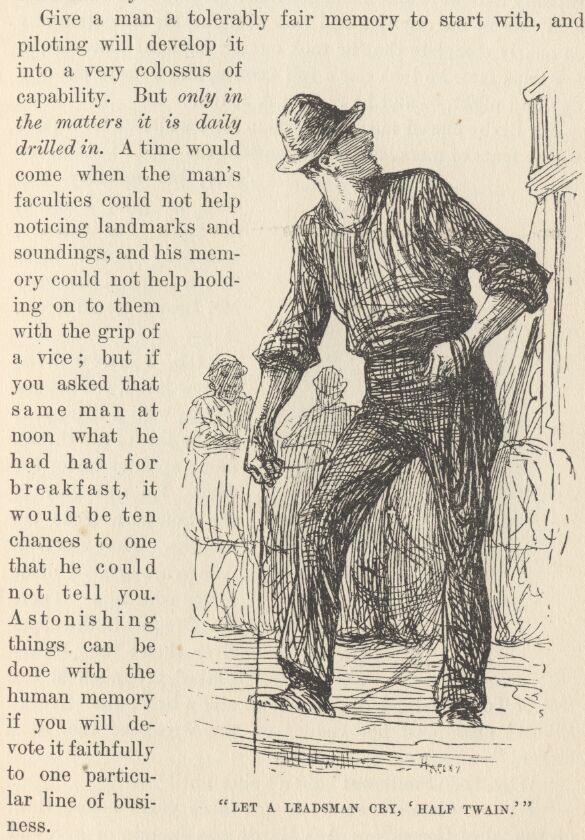
And how easily and comfortably the pilot's memory does its work; how placidly effortless is its way; how unconsciously it lays up its vast stores, hour by hour, day by day, and never loses or mislays a single valuable package of them all! Take an instance. Let a leadsman cry, 'Half twain! half twain! half twain! half twain! half twain!' until it become as monotonous as the ticking of a clock; let conversation be going on all the time, and the pilot be doing his share of the talking, and no longer consciously listening to the leadsman; and in the midst of this endless string of half twains let a single 'quarter twain!' be interjected, without emphasis, and then the half twain cry go on again, just as before: two or three weeks later that pilot can describe with precision the boat's position in the river when that quarter twain was uttered, and give you such a lot of head-marks, stern-marks, and side-marks to guide you, that you ought to be able to take the boat there and put her in that same spot again yourself! The cry of 'quarter twain' did not really take his mind from his talk, but his trained faculties instantly photographed the bearings, noted the change of depth, and laid up the important details for future reference without requiring any assistance from him in the matter. If you were walking and talking with a friend, and another friend at your side kept up a monotonous repetition of the vowel sound A, for a couple of blocks, and then in the midst interjected an R, thus, A, A, A, A, A, R, A, A, A, etc., and gave the R no emphasis, you would not be able to state, two or three weeks afterward, that the R had been put in, nor be able to tell what objects you were passing at the moment it was done. But you could if your memory had been patiently and laboriously trained to do that sort of thing mechanically.
And how easily and comfortably the pilot's memory does its work! How calmly and effortlessly it works! How unconsciously it gathers its vast stores, hour after hour, day after day. It never loses or misplaces a single valuable package from them all! Take an example. A leadsman calls out the depth: 'Half twain! half twain! half twain! half twain! half twain!' He goes on until the call is as monotonous as a clock ticking. All the while, people are talking, and the pilot joins in. He is no longer consciously listening to the leadsman. Then, in the middle of the endless string of half twains, the leadsman calls out a single 'quarter twain!' He gives it no emphasis, and then goes back to calling half twain, just as before. Two or three weeks later, the pilot can describe exactly where the boat was when 'quarter twain' was called. He can give you so many landmarks ahead, behind, and to the side of the boat that you should be able to take the boat back to that same spot yourself! The call of 'quarter twain' did not really distract him from his conversation. But his trained faculties instantly photographed the landmarks, noted the change in depth, and stored the important details for future reference. They needed no help from him to do it. Suppose you were walking and talking with a friend while another friend walked beside you. For a couple of blocks, the second friend kept repeating the vowel sound A. Then, in the middle of the sequence, the friend inserted an R, without emphasizing it: A, A, A, A, A, R, A, A, A, etc. Two or three weeks later, you would not be able to say that the R had been inserted. Nor could you say what objects you were passing at that moment. But you could do both if your memory had been patiently and laboriously trained to do that sort of thing automatically.
Give a man a tolerably fair memory to start with, and piloting will develop it into a very colossus of capability. But only in the matters it is daily drilled in. A time would come when the man's faculties could not help noticing landmarks and soundings, and his memory could not help holding on to them with the grip of a vise; but if you asked that same man at noon what he had had for breakfast, it would be ten chances to one that he could not tell you. Astonishing things can be done with the human memory if you will devote it faithfully to one particular line of business.
Give a man a reasonably good memory to begin with, and piloting will develop it into a giant of capability. But only in the things he practices every day. In time, he would notice landmarks and water depths without even trying. His memory would hold on to them like a vise. But if you asked that same man at noon what he had eaten for breakfast, he probably could not tell you. The odds would be ten to one against it. The human memory can do astonishing things if you devote it faithfully to one particular line of work.
At the time that wages soared so high on the Missouri River, my chief, Mr. Bixby, went up there and learned more than a thousand miles of that stream with an ease and rapidity that were astonishing. When he had seen each division once in the daytime and once at night, his education was so nearly complete that he took out a 'daylight' license; a few trips later he took out a full license, and went to piloting day and night—and he ranked A 1, too.
When wages soared on the Missouri River, my chief, Mr. Bixby, went there. He learned more than a thousand miles of the river with astonishing ease and speed. After seeing each section once by day and once by night, he knew the river well enough to get a 'daylight' pilot's license. A few trips later, he got a full license and began piloting day and night. He ranked A 1, too.
Mr. Bixby placed me as steersman for a while under a pilot whose feats of memory were a constant marvel to me. However, his memory was born in him, I think, not built. For instance, somebody would mention a name. Instantly Mr. Brown would break in—
Mr. Bixby had me steer for a while under a pilot whose feats of memory always amazed me. But I think Mr. Brown was born with his memory rather than developing it. For example, someone would mention a name. Mr. Brown would instantly interrupt:
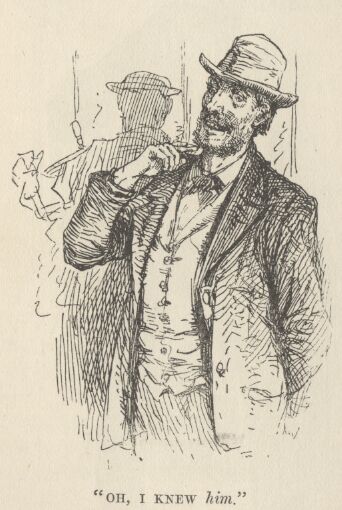
'Oh, I knew him. Sallow-faced, red-headed fellow, with a little scar on the side of his throat, like a splinter under the flesh. He was only in the Southern trade six months. That was thirteen years ago. I made a trip with him. There was five feet in the upper river then; the “Henry Blake” grounded at the foot of Tower Island drawing four and a half; the “George Elliott” unshipped her rudder on the wreck of the “Sunflower”—'
'Oh, I knew him. He was a redheaded fellow with a sallow face and a small scar on his throat, like a splinter under the skin. He worked in the Southern trade for only six months. That was thirteen years ago. I made a trip with him. The upper river was five feet deep then. The “Henry Blake” ran aground at the foot of Tower Island, drawing four and a half feet. The “George Elliott” lost her rudder on the wreck of the “Sunflower”...'
'Why, the “Sunflower” didn't sink until—'
'Why, the “Sunflower” didn't sink until...'
'I know when she sunk; it was three years before that, on the 2nd of December; Asa Hardy was captain of her, and his brother John was first clerk; and it was his first trip in her, too; Tom Jones told me these things a week afterward in New Orleans; he was first mate of the “Sunflower.” Captain Hardy stuck a nail in his foot the 6th of July of the next year, and died of the lockjaw on the 15th. His brother died two years after 3rd of March,—erysipelas. I never saw either of the Hardys,—they were Alleghany River men,—but people who knew them told me all these things. And they said Captain Hardy wore yarn socks winter and summer just the same, and his first wife's name was Jane Shook—she was from New England—and his second one died in a lunatic asylum. It was in the blood. She was from Lexington, Kentucky. Name was Horton before she was married.'
'I know when she sank. It was three years before that, on December 2. Asa Hardy was her captain, and his brother John was first clerk. It was John's first trip on her, too. Tom Jones told me these things a week later in New Orleans. He was first mate of the “Sunflower.” Captain Hardy stepped on a nail on July 6 of the next year, and died of lockjaw on the 15th. His brother died two years later, on March 3, of erysipelas. I never met either of the Hardys. They were Alleghany River men, but people who knew them told me all these things. They also said Captain Hardy wore yarn socks in winter and summer alike. His first wife's name was Jane Shook, and she was from New England. His second wife died in a mental hospital. It was in the blood. She was from Lexington, Kentucky. Her name was Horton before she married.'
And so on, by the hour, the man's tongue would go. He could not forget any thing. It was simply impossible. The most trivial details remained as distinct and luminous in his head, after they had lain there for years, as the most memorable events. His was not simply a pilot's memory; its grasp was universal. If he were talking about a trifling letter he had received seven years before, he was pretty sure to deliver you the entire screed from memory. And then without observing that he was departing from the true line of his talk, he was more than likely to hurl in a long-drawn parenthetical biography of the writer of that letter; and you were lucky indeed if he did not take up that writer's relatives, one by one, and give you their biographies, too.
And so the man would talk on for hours. He could not forget anything. It was simply impossible. The smallest details stayed in his head for years, as clear and vivid as the most memorable events. His memory was not just a pilot's memory. It took in everything. If he mentioned some unimportant letter he had received seven years earlier, he was almost sure to recite the whole thing from memory. Then, without noticing that he had wandered from his subject, he would very likely launch into a long, drawn-out biography of the letter writer. And you were lucky indeed if he did not take up the writer's relatives, one by one, and give you their biographies, too.
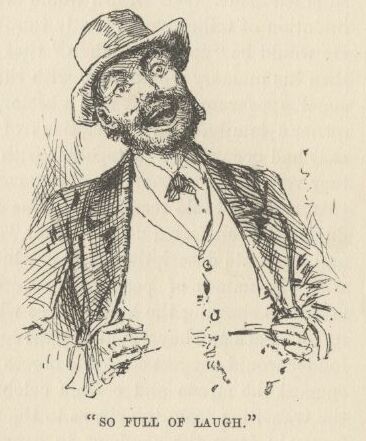
Such a memory as that is a great misfortune. To it, all occurrences are of the same size. Its possessor cannot distinguish an interesting circumstance from an uninteresting one. As a talker, he is bound to clog his narrative with tiresome details and make himself an insufferable bore. Moreover, he cannot stick to his subject. He picks up every little grain of memory he discerns in his way, and so is led aside. Mr. Brown would start out with the honest intention of telling you a vastly funny anecdote about a dog. He would be 'so full of laugh' that he could hardly begin; then his memory would start with the dog's breed and personal appearance; drift into a history of his owner; of his owner's family, with descriptions of weddings and burials that had occurred in it, together with recitals of congratulatory verses and obituary poetry provoked by the same: then this memory would recollect that one of these events occurred during the celebrated 'hard winter' of such and such a year, and a minute description of that winter would follow, along with the names of people who were frozen to death, and statistics showing the high figures which pork and hay went up to. Pork and hay would suggest corn and fodder; corn and fodder would suggest cows and horses; cows and horses would suggest the circus and certain celebrated bare-back riders; the transition from the circus to the menagerie was easy and natural; from the elephant to equatorial Africa was but a step; then of course the heathen savages would suggest religion; and at the end of three or four hours' tedious jaw, the watch would change, and Brown would go out of the pilot-house muttering extracts from sermons he had heard years before about the efficacy of prayer as a means of grace. And the original first mention would be all you had learned about that dog, after all this waiting and hungering.
A memory like that is a great misfortune. To such a memory, all events are equally important. A person with such a memory cannot tell an interesting detail from a dull one. When he tells a story, he is bound to clog it with tiresome details and become an unbearable bore. Moreover, he cannot stick to his subject. He picks up every little scrap of memory he notices along the way, and each one leads him astray. Mr. Brown would start out honestly intending to tell you a tremendously funny story about a dog. He would be 'so full of laugh' that he could hardly begin. Then his memory would start with the dog's breed and appearance. It would drift into the owner's history, then into the history of the owner's family. There would be descriptions of family weddings and funerals, along with the congratulatory verses and funeral poems they inspired. Then his memory would recall that one of these events happened during the famous 'hard winter' of some particular year. A detailed description of that winter would follow. He would name the people who froze to death and give statistics showing how high pork and hay prices rose. Pork and hay would suggest corn and fodder. Corn and fodder would suggest cows and horses. Cows and horses would suggest the circus and certain famous bareback riders. The move from the circus to the menagerie was easy and natural. From the elephant, it was only a step to equatorial Africa. Then, of course, the heathen savages would suggest religion. After three or four hours of tiresome talk, the watch would change. Brown would leave the pilot-house muttering bits of sermons he had heard years before about prayer's power as a means of grace. And after all that waiting and hungering, the first mention of the dog would still be all you had learned about it.
A pilot must have a memory; but there are two higher qualities which he must also have. He must have good and quick judgment and decision, and a cool, calm courage that no peril can shake. Give a man the merest trifle of pluck to start with, and by the time he has become a pilot he cannot be unmanned by any danger a steamboat can get into; but one cannot quite say the same for judgment. Judgment is a matter of brains, and a man must start with a good stock of that article or he will never succeed as a pilot.
A pilot must have a good memory, but he must also have two more important qualities. He must be able to judge situations and make decisions quickly and well. He must also have a cool, calm courage that no danger can shake. Give a man even a little courage to start with, and by the time he becomes a pilot, no danger a steamboat can face will unnerve him. But the same cannot quite be said of judgment. Judgment takes brains, and a man must start with plenty of them or he will never succeed as a pilot.
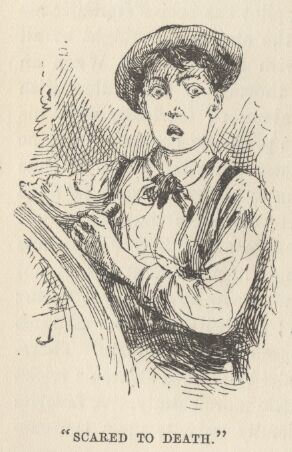
The growth of courage in the pilot-house is steady all the time, but it does not reach a high and satisfactory condition until some time after the young pilot has been 'standing his own watch,' alone and under the staggering weight of all the responsibilities connected with the position. When an apprentice has become pretty thoroughly acquainted with the river, he goes clattering along so fearlessly with his steamboat, night or day, that he presently begins to imagine that it is his courage that animates him; but the first time the pilot steps out and leaves him to his own devices he finds out it was the other man's. He discovers that the article has been left out of his own cargo altogether. The whole river is bristling with exigencies in a moment; he is not prepared for them; he does not know how to meet them; all his knowledge forsakes him; and within fifteen minutes he is as white as a sheet and scared almost to death. Therefore pilots wisely train these cubs by various strategic tricks to look danger in the face a little more calmly. A favorite way of theirs is to play a friendly swindle upon the candidate.
A pilot's courage grows steadily in the pilot-house. But it does not reach a high, satisfactory level until some time after the young pilot has been 'standing his own watch.' He must stand it alone, under the staggering weight of all the responsibilities that come with the job. When an apprentice knows the river fairly well, he goes clattering along with his steamboat, fearlessly, night or day. Soon he begins to imagine that it is his courage that drives him. But the first time the pilot steps out and leaves him to manage alone, he discovers that the courage was the other man's. He finds that courage was left out of his own cargo altogether. In an instant, the whole river bristles with emergencies. He is not ready for them and does not know how to handle them. All his knowledge deserts him. Within fifteen minutes, he is white as a sheet and scared almost to death. So pilots wisely train these cubs to face danger a little more calmly, using various clever tricks. One favorite method is to play a friendly trick on the candidate.
Mr. Bixby served me in this fashion once, and for years afterward I used to blush even in my sleep when I thought of it. I had become a good steersman; so good, indeed, that I had all the work to do on our watch, night and day; Mr. Bixby seldom made a suggestion to me; all he ever did was to take the wheel on particularly bad nights or in particularly bad crossings, land the boat when she needed to be landed, play gentleman of leisure nine-tenths of the watch, and collect the wages. The lower river was about bank-full, and if anybody had questioned my ability to run any crossing between Cairo and New Orleans without help or instruction, I should have felt irreparably hurt. The idea of being afraid of any crossing in the lot, in the day-time, was a thing too preposterous for contemplation. Well, one matchless summer's day I was bowling down the bend above island 66, brimful of self-conceit and carrying my nose as high as a giraffe's, when Mr. Bixby said—
Mr. Bixby did this to me once. For years afterward, I would blush even in my sleep when I thought of it. I had become a good steersman. In fact, I was so good that I did all the work on our watch, night and day. Mr. Bixby seldom offered me any advice. All he ever did was take the wheel on particularly bad nights or at particularly bad crossings, land the boat when necessary, act like a gentleman of leisure for nine tenths of the watch, and collect the wages. The lower river was nearly full to its banks. If anyone had questioned my ability to navigate any crossing between Cairo and New Orleans without help or instruction, I would have felt deeply hurt. The idea that I might fear any of those crossings in the daytime was too ridiculous to imagine. Well, one perfect summer day, I was sailing down the bend above island 66. I was full of self importance and carrying my nose as high as a giraffe’s when Mr. Bixby said:
'I am going below a while. I suppose you know the next crossing?'
'I'm going below for a while. I suppose you know the next crossing?'
This was almost an affront. It was about the plainest and simplest crossing in the whole river. One couldn't come to any harm, whether he ran it right or not; and as for depth, there never had been any bottom there. I knew all this, perfectly well.
This was almost an insult. It was one of the easiest and simplest crossings on the whole river. You couldn't come to any harm, whether you navigated it correctly or not. And as for depth, there had never been any bottom there. I knew all this perfectly well.
'Know how to run it? Why, I can run it with my eyes shut.'
'Know how to run it? Why, I can run it with my eyes closed.'
'How much water is there in it?'
'How much water is there in it?'
'Well, that is an odd question. I couldn't get bottom there with a church steeple.'
'Well, that's a strange question. I couldn't reach the bottom there even with a church steeple.'
'You think so, do you?'
'You think so, do you?'
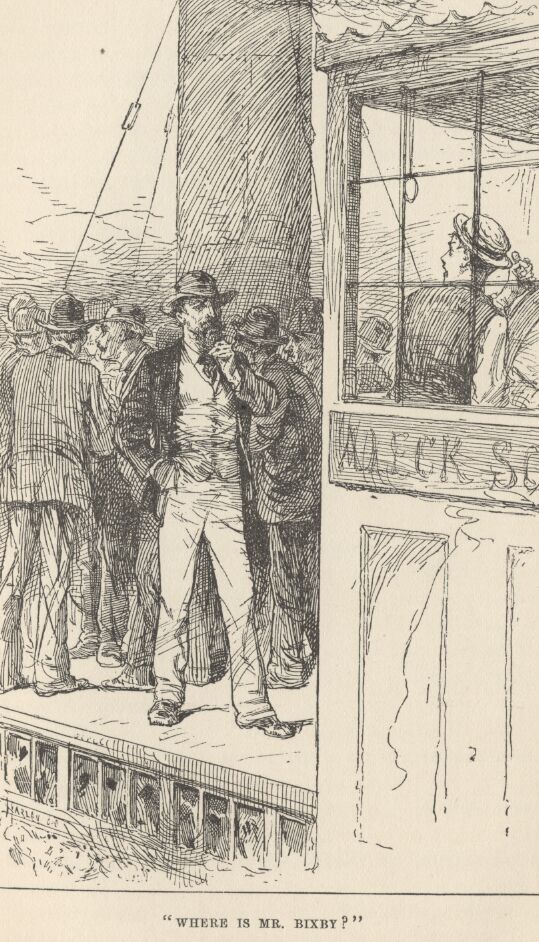
The very tone of the question shook my confidence. That was what Mr. Bixby was expecting. He left, without saying anything more. I began to imagine all sorts of things. Mr. Bixby, unknown to me, of course, sent somebody down to the forecastle with some mysterious instructions to the leadsmen, another messenger was sent to whisper among the officers, and then Mr. Bixby went into hiding behind a smoke-stack where he could observe results. Presently the captain stepped out on the hurricane deck; next the chief mate appeared; then a clerk. Every moment or two a straggler was added to my audience; and before I got to the head of the island I had fifteen or twenty people assembled down there under my nose. I began to wonder what the trouble was. As I started across, the captain glanced aloft at me and said, with a sham uneasiness in his voice—
The very tone of the question shook my confidence. That was what Mr. Bixby expected. He left without another word. I began to imagine all sorts of things. Of course, I didn’t know that Mr. Bixby had sent someone to the forecastle with mysterious instructions for the leadsmen. He sent another messenger to whisper among the officers. Then Mr. Bixby hid behind a smokestack, where he could watch what happened. Soon the captain stepped out onto the hurricane deck. Next the chief mate appeared, then a clerk. Every minute or two, another person joined my audience. Before I reached the head of the island, fifteen or twenty people had gathered down there under my nose. I began to wonder what the trouble was. As I started across, the captain glanced up at me and spoke in a voice of pretend uneasiness:
'Where is Mr. Bixby?'
'Where is Mr. Bixby?'
'Gone below, sir.'
'Went below, sir.'
But that did the business for me. My imagination began to construct dangers out of nothing, and they multiplied faster than I could keep the run of them. All at once I imagined I saw shoal water ahead! The wave of coward agony that surged through me then came near dislocating every joint in me. All my confidence in that crossing vanished. I seized the bell-rope; dropped it, ashamed; seized it again; dropped it once more; clutched it tremblingly one again, and pulled it so feebly that I could hardly hear the stroke myself. Captain and mate sang out instantly, and both together—
But that did me in. My imagination began inventing dangers out of nothing. They multiplied faster than I could keep track of them. Suddenly, I thought I saw shallow water ahead! A wave of cowardly terror surged through me and nearly dislocated every joint in my body. I lost all confidence in my ability to make the crossing. I grabbed the bell rope, then dropped it, ashamed. I grabbed it again and dropped it once more. Then I clutched it again, trembling, and pulled so weakly that I could hardly hear the bell myself. The captain and mate called out at once, both together:
'Starboard lead there! and quick about it!'
'Take a depth sounding on the starboard side! And hurry!'
This was another shock. I began to climb the wheel like a squirrel; but I would hardly get the boat started to port before I would see new dangers on that side, and away I would spin to the other; only to find perils accumulating to starboard, and be crazy to get to port again. Then came the leadsman's sepulchral cry—
This was another shock. I began climbing the steering wheel like a squirrel. But I would hardly get the boat turning to port before I saw new dangers on that side. So I would spin the wheel the other way, only to find dangers piling up to starboard. Then I would be desperate to turn back to port. Next came the leadsman's deathly cry:
'D-e-e-p four!'
'Deep four!'
Deep four in a bottomless crossing! The terror of it took my breath away.
More than four fathoms deep at a bottomless crossing! The terror of it took my breath away.
'M-a-r-k three!... M-a-r-k three... Quarter less three!... Half twain!'
'Three fathoms!... Three fathoms... Two and three-quarter fathoms!... Two and a half fathoms!'
This was frightful! I seized the bell-ropes and stopped the engines.
This was terrifying! I grabbed the bell ropes and stopped the engines.
'Quarter twain! Quarter twain! Mark twain!'
'Quarter twain! Quarter twain! Mark twain!'
I was helpless. I did not know what in the world to do. I was quaking from head to foot, and I could have hung my hat on my eyes, they stuck out so far.
I was helpless. I had no idea what to do. I was shaking from head to foot, and my eyes stuck out so far I could have hung my hat on them.
'Quarter less twain! Nine and a half!'
'A quarter less than two fathoms! Nine and a half feet!'
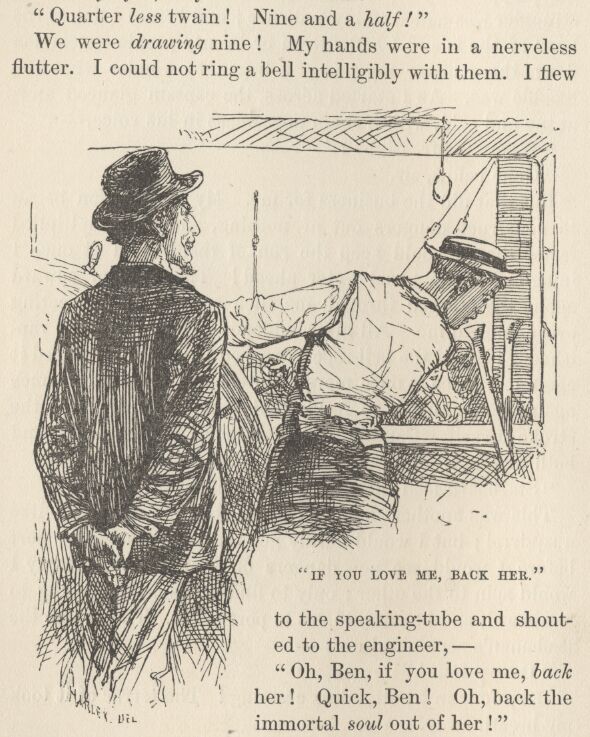
We were drawing nine! My hands were in a nerveless flutter. I could not ring a bell intelligibly with them. I flew to the speaking-tube and shouted to the engineer—
We were drawing nine feet! My hands fluttered helplessly. I couldn't ring a clear signal on the bell. I rushed to the speaking tube and shouted to the engineer:
'Oh, Ben, if you love me, back her! Quick, Ben! Oh, back the immortal soul out of her!'
'Oh, Ben, if you love me, back her up! Quick, Ben! Oh, back the immortal soul out of her!'
I heard the door close gently. I looked around, and there stood Mr. Bixby, smiling a bland, sweet smile. Then the audience on the hurricane deck sent up a thundergust of humiliating laughter. I saw it all, now, and I felt meaner than the meanest man in human history. I laid in the lead, set the boat in her marks, came ahead on the engines, and said—
I heard the door close gently. I looked around and saw Mr. Bixby standing there with a mild, sweet smile. Then the audience on the hurricane deck burst into a thunderous roar of humiliating laughter. Now I understood everything, and I felt worse than the worst man in human history. I pulled in the lead line, positioned the boat on her marks, started the engines forward, and said:
'It was a fine trick to play on an orphan, wasn't it? I suppose I'll never hear the last of how I was ass enough to heave the lead at the head of 66.'
'That was a fine trick to play on an orphan, wasn't it? I suppose I'll never hear the end of how stupid I was to heave the lead at the head of 66.'
'Well, no, you won't, maybe. In fact I hope you won't; for I want you to learn something by that experience. Didn't you know there was no bottom in that crossing?'
'Well, no, maybe you won't. In fact, I hope you won't, because I want you to learn something from that experience. Didn't you know there was no bottom at that crossing?'
'Yes, sir, I did.'
'Yes, sir, I did.'
'Very well, then. You shouldn't have allowed me or anybody else to shake your confidence in that knowledge. Try to remember that. And another thing: when you get into a dangerous place, don't turn coward. That isn't going to help matters any.'
'All right, then. You shouldn't have let me or anyone else shake your confidence in what you knew. Try to remember that. And one more thing: when you get into a dangerous situation, don't lose your nerve. Being afraid won't help matters.'
It was a good enough lesson, but pretty hardly learned. Yet about the hardest part of it was that for months I so often had to hear a phrase which I had conceived a particular distaste for. It was, 'Oh, Ben, if you love me, back her!'
It was a good lesson, but I learned it the hard way. Yet perhaps the hardest part was hearing a phrase I had come to particularly dislike so often for months. It was, 'Oh, Ben, if you love me, back her!'