In this short dialogue, Socrates questions a performer of Homer's poems about the source of his skill. A magnet and a chain of iron rings become an image of poetry's power over its listeners.
23 pages 27 min reading time
One of Plato's shortest early dialogues, and the oldest surviving Western text devoted wholly to what poetry is and where it comes from.
Argues that poets and performers create through divine inspiration, a kind of god-given madness, rather than through skill or knowledge they can explain.
Asks whether someone who speaks beautifully about a subject, such as war or medicine, actually understands it, and suggests the answer is often no.
Helped shape the lasting idea of the poet as an inspired genius carried away by forces beyond reason, a picture later taken up by Renaissance thinkers and the Romantic poets.
Opened the long debate between philosophy and poetry that Plato carried further in the Republic, and that critics still return to when they ask what art can teach us.
Goethe read it as comedy
The German writer Goethe argued the dialogue was a playful joke at the expense of a vain performer.
Its author once doubted
Some scholars in the 1800s doubted Plato wrote it, though most experts today accept it as his.
Drawn from real contests
Professional reciters of Homer really did compete for prizes at Greek festivals, as Ion does here.
Translated by a poet
The English poet Percy Bysshe Shelley made his own translation of it while living in Italy.


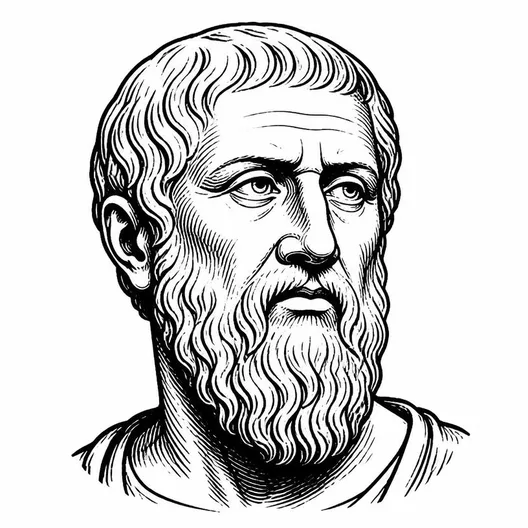 Plato c. 390 BCE