11
The Girl in Conflict
Were there no conflicts, no temperaments which deviated so markedly from the normal that clash was inevitable? Was the diffused affection and the diffused authority of the large families, the ease of moving from one family to another, the knowledge of sex and the freedom to experiment a sufficient guarantee to all Samoan girls of a perfect adjustment? In almost all cases, yes. But I have reserved for this chapter the tales of the few girls who deviated in temperament or in conduct, although in many cases these deviations were only charged with possibilities of conflict, and actually had no painful results.
Were there no conflicts? Were there no temperaments so different from the norm that clashes were inevitable? Affection and authority were spread across large families, and girls could easily move from one family to another. Did these arrangements, knowledge of sex, and freedom to experiment guarantee that all Samoan girls would adjust perfectly? In almost all cases, yes. But I have saved for this chapter the stories of the few girls whose temperaments or behavior differed from the norm. In many cases, though, these differences only carried the potential for conflict and caused no actual pain.
The girl between fourteen and twenty stands at the centre of household pressure and can expend her irritation at her elders on those over whom she is in a position of authority. The possibility of escape seems to temper her restiveness under authority and the irritation of her elders also. When to the fear of a useful worker’s running away is added also the fear of a daughter’s indulging in a public elopement, and thus lowering her marriage value, any marked exercise of parental authority is considerably mitigated. Violent outbursts of wrath and summary chastisements do occur but consistent and prolonged disciplinary measures are absent, and a display of temper is likely to be speedily followed by conciliatory measures. This, of course, applies only to the relation between a girl and her elders. Often conflicts of personality between young people of the same age in a household are not so tempered, but the removal of one party to the conflict, the individual with the weakest claims upon the household, is here also the most frequent solution. The fact that the age-group gang breaks up before adolescence and is never resumed except in a highly formal manner, coupled with the decided preference for household rather than group solidarity, accounts for the scarcity of conflict here. The child who shuns her age mates is more available for household work and is never worried by questions as to why she doesn’t run and play with the other children. On the other hand, the tolerance of the children in accepting physical defect or slight strangeness of temperament prevents any child’s suffering from undeserved ostracism.
A girl between fourteen and twenty is at the center of household pressure. She can take out her irritation with her elders on those under her authority. The possibility of escape seems to ease both her resentment of authority and her elders’ irritation. Parents fear losing a useful worker if she runs away. They also fear that a daughter might elope publicly, reducing her value as a marriage prospect. Together, these fears considerably limit any strong exercise of parental authority. Violent outbursts of anger and immediate punishments do occur, but consistent, prolonged discipline is absent. A display of temper is likely to be quickly followed by efforts to make peace. This pattern, of course, applies only to relations between a girl and her elders. Personality conflicts between young people of the same age in a household are often less restrained. But here, too, the most frequent solution is to remove one person from the household. The person removed is the one with the weakest claim to a place there. Groups of children of the same age break up before adolescence. They never form again except in a highly formal way. This pattern, combined with the clear preference for household loyalty over group loyalty, explains why conflict here is rare. A child who avoids others her age is more available for household work. No one bothers her with questions about why she does not run and play with the other children. On the other hand, children accept physical impairments or slight differences in temperament. Their tolerance prevents any child from being unfairly excluded.
The child who is unfavourably located in the village is the only real exile. Should the age group last over eight or ten years of age, the exiles would certainly suffer or very possibly as they grew bolder, venture farther from home. But the breakdown of the gang just as the children are bold enough and free enough to go ten houses from home, prevents either of these two results from occurring.
The child whose home is poorly placed in the village is the only true exile. If the age group stayed together beyond age eight or ten, these exiles would certainly suffer. Or, quite possibly, as they grew bolder, they would venture farther from home. But the group breaks up just as the children become bold enough and free enough to go ten houses away. This breakup prevents either outcome.
The absence of any important institutionalised relationship to the community is perhaps the strongest cause for lack of conflict here. The community makes no demands upon the young girls except for the occasional ceremonial service rendered at the meetings of older women. Were they delinquent in such duties it would be primarily the concern of their own households whose prestige would suffer thereby. A boy who refuses to attend the meetings of the Aumaga, or to join in the communal work, comes in for strong group disapproval and hostility, but a girl owes so small a debt to her community that it does not greatly concern itself to collect it.
The lack of any important formal relationship with the community is perhaps the strongest reason for the lack of conflict here. The community asks nothing of young girls except occasional ceremonial service at meetings of older women. If girls neglected these duties, their own households would be most concerned, because the households’ standing would suffer. A boy who refuses to attend meetings of the Aumaga or join in community work faces strong group disapproval and hostility. But a girl owes so little to her community that the community makes little effort to collect what she owes.
The opportunity to experiment freely, the complete familiarity with sex and the absence of very violent preferences make her sex experiences less charged with possibilities of conflict than they are in a more rigid and self-conscious civilisation. Cases of passionate jealousy do occur but they are matters for extended comment and amazement. During nine months in the islands only four cases came to my attention, a girl who informed against a faithless lover accusing him of incest, a girl who bit off part of a rival’s ear, a woman whose husband had deserted her and who fought and severely injured her successor, and a girl who falsely accused a rival of stealing. But jealousy is less expected and less sympathised with than among us, and consequently there is less of a pattern to which an individual may respond. Possibly conditions may also be simplified by the Samoan recognition and toleration of vindictive detraction and growling about a rival. There are no standards of good form which prescribe an insincere acceptance of defeat, no insistence on reticence and sportsmanship. So a great deal of slight irritation can be immediately dissipated. Friendships are of so casual and shifting a nature that they give rise to neither jealousy nor conflict. Resentment is expressed by subdued grumblings and any strong resentment results in the angry one’s leaving the household or sometimes the village.
The freedom to experiment, full familiarity with sex, and lack of intensely strong preferences reduce the potential for conflict in her sexual experiences. Such experiences carry more potential for conflict in a more rigid and self-conscious society. Cases of passionate jealousy do occur, but people discuss them at length and with amazement. During nine months in the islands, only four cases came to my attention. One girl reported an unfaithful lover, accusing him of incest. Another girl bit off part of a rival’s ear. A woman whose husband had left her fought and severely injured the woman who replaced her. Another girl falsely accused a rival of stealing. But jealousy is less expected and receives less sympathy than in our society. As a result, there is less of an established pattern for an individual to follow. The Samoan acceptance and tolerance of spiteful criticism and grumbling about a rival may also make matters simpler. No rules of proper behavior call for pretending to accept defeat gracefully. Nor is there any insistence on keeping quiet or showing good sportsmanship. So a great deal of minor irritation can be released immediately. Friendships are so casual and changeable that they cause neither jealousy nor conflict. People express resentment through quiet grumbling. Any strong resentment leads the angry person to leave the household, or sometimes the village.

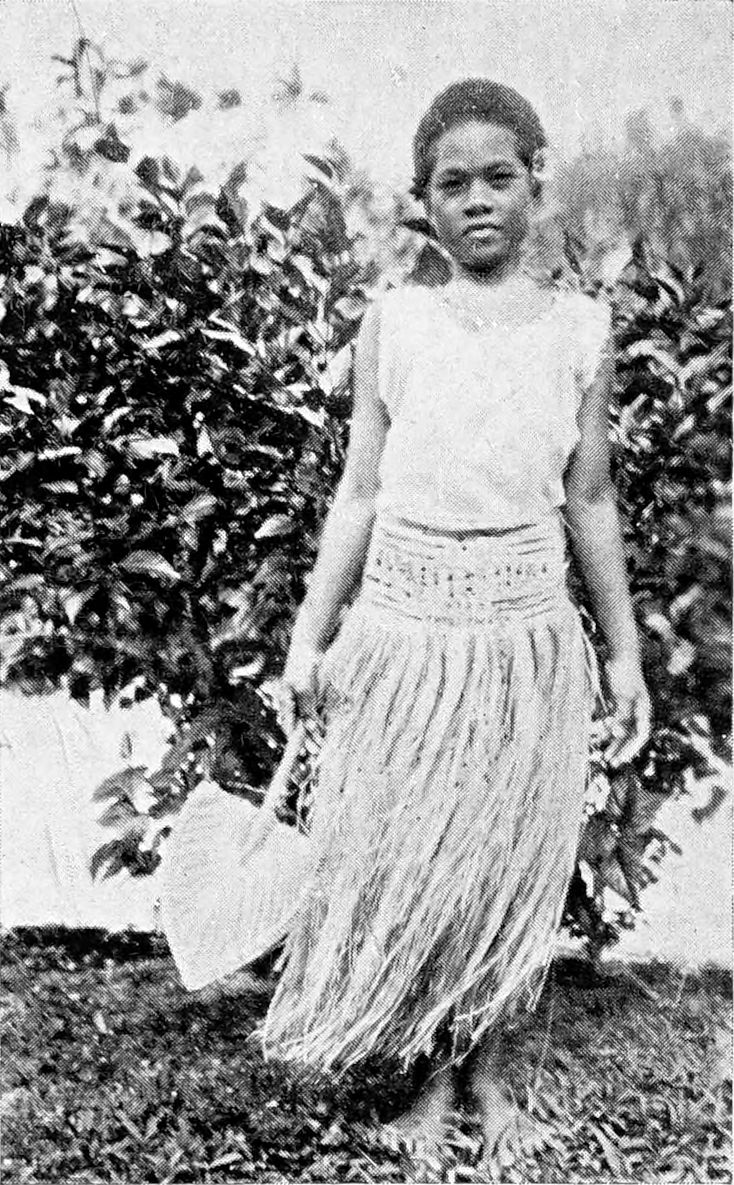
In the girl’s religious life the attitude of the missionaries was the decisive one. The missionaries require chastity for church membership and discouraged church membership before marriage, except for the young people in the missionary boarding schools who could be continually supervised. This passive acceptance by the religious authorities themselves of pre-marital irregularities went a long way towards minimising the girls’ sense of guilt. Continence became not a passport to heaven but a passport to the missionary schools which in turn were regarded as a social rather than a religious adventure. The girl who indulged in sex experiments was expelled from the local pastor’s school, but it was notable that almost every older girl in the community, including the most notorious sex offenders, had been at one time resident in the pastors’ households. The general result of the stricter supervision provided by these schools seemed to be to postpone the first sex experience two or three years. The seven girls in the household of one native pastor, the three in the household of the other, were all, although past puberty, living continent lives, in strong contrast to the habits of the rest of their age mates.
In a girl’s religious life, the missionaries’ attitude was decisive. The missionaries required chastity for church membership and discouraged joining before marriage. They made an exception for young people in missionary boarding schools, where students could be supervised constantly. The religious authorities’ own passive acceptance of sex before marriage did much to reduce the girls’ sense of guilt. Abstinence became a passport not to heaven but to the missionary schools. The girls, in turn, saw these schools as a social adventure rather than a religious one. A girl who experimented with sex was expelled from the local pastor’s school. But notably, almost every older girl in the community had once lived in a pastor’s household. These included even the girls most notorious for breaking rules about sex. Overall, the schools’ stricter supervision seemed to delay the first sexual experience by two or three years. Seven girls lived in one local pastor’s household, and three lived in the other’s. Although all had reached puberty, all were abstaining from sex, in sharp contrast to others their age.
It might seem that there was fertile material for conflict between parents who wished their children to live in the pastor’s house and children who did not wish to do so, and also between children who wished it and parents who did not. This conflict was chiefly reduced by the fact that residence in the pastor’s house actually made very little difference in the child’s status in her own home. She simply carried her roll of mats, her pillow and her mosquito net from her home to the pastor’s, and the food which she would have eaten at home was added to the quota of the food which her family furnished to the pastor. She ate her evening meal and slept at the pastor’s; one or two days a week she devoted to working for the pastor’s family, washing, weaving, weeding and sweeping the premises. The rest of her time she spent at home performing the usual tasks of a girl of her age, so that it was seldom that a parent objected strongly to sending a child to the pastor’s. It involved no additional expense and was likely to reduce the chances of his daughter’s conduct becoming embarrassing, to improve her mastery of the few foreign techniques, sewing, ironing, embroidery, which she could learn from the more skilled and schooled pastor’s wife and thus increase her economic value.
There might seem to be plenty of room for conflict when parents wanted their children to live in the pastor’s house. Some children did not want to go. Other children wanted to go, but their parents opposed the move. Such conflict was largely reduced because living in the pastor’s house made very little difference to a child’s position at home. She simply carried her roll of mats, pillow, and mosquito net from her home to the pastor’s house. The food she would have eaten at home was added to her family’s regular contribution to the pastor. She ate her evening meal and slept at the pastor’s house. One or two days a week, she worked for the pastor’s family, washing, weaving, weeding, and sweeping the grounds. She spent the rest of her time at home, doing the usual tasks of a girl her age. So parents seldom strongly objected to sending a child to the pastor’s house. Sending a daughter cost nothing extra and was likely to reduce the chances that her behavior would embarrass her parents. Living there was also likely to improve her skills in the few foreign techniques: sewing, ironing, and embroidery. She could learn these from the pastor’s wife, who was more skilled and had more schooling. Improving those skills would, in turn, increase the girl’s economic value.
See Appendix, page 257.
If, on the other hand, the parents wished their children to stay and the children were unwilling to do so, the remedy was simple. They had but to transgress seriously the rules of the pastor’s household, and they would be expelled; if they feared to return to their parents, there were always other relatives.
On the other hand, if parents wanted their children to stay but the children refused, the solution was simple. The children only had to seriously break the rules of the pastor’s household, and they would be expelled. If the children were afraid to return to their parents, there were always other relatives.
So the attitude of the church in respect to chastity held only the germs of a conflict which was seldom realised, because of the flexibility with which it adapted itself to the nearly inevitable. Attendance at the girls’ main boarding school was an attractive prospect. The fascination of living in a large group of young people where life was easier and more congenial than at home, was usually a sufficient bribe to good behaviour, or at least to discretion. Confession of sin was a rare phenomenon in Samoa. The missionaries had made a rule that a boy who transgressed the chastity rule would be held back in his progress through the preparatory school and seminary for two years after the time his offence was committed. It had been necessary to change this ruling to read two years from the detection of the offence, because very often the offence was not detected until after the student had been over two years in the seminary, and under the old ruling, he would not have been punished at all. Had the young people been inspired with a sense of responsibility to a heavenly rather than an earthly decree and the boy or girl been answerable to a recording angel, rather than a spying neighbour, religion would have provided a real setting for conflict. If such an attitude had been coupled with emphasis upon church membership for the young and an expectation of religious experience in the lives of the young, crises in the lives of the young people would very likely have occurred. As it is, the whole religious setting is one of formalism, of compromise, of acceptance of half measure. The great number of native pastors with their peculiar interpretations of Christian teaching have made it impossible to establish the rigour of western Protestantism with its inseparable association of sex offences and an individual consciousness of sin. And the girls upon whom the religious setting makes no demands, make no demands upon it. They are content to follow the advice of their elders to defer church membership until they are older. Laititi a’u. Fia siva (“For I am young and like to dance”). The church member is forbidden to dance or to witness a large night dance. One of the three villages boasted no girl church members. The second village had only one, who had, however, long since transgressed her vows. But as her lover was a youth whose equivocal position in his family made it impossible to marry, the neighbours did not tattle where their sympathies were aroused, so Lotu remained tacitly a church member. In the third village there were two unmarried girls who were church members, Lita and Ana.
So the church’s attitude toward chastity contained only the seeds of a conflict that rarely developed. This was because the church adapted flexibly to what was almost inevitable. Attending the main boarding school for girls was an attractive prospect. Living among a large group of young people offered an easier, more pleasant life than living at home. That attraction was usually enough to buy good behavior, or at least discretion. Confessing sins was rare in Samoa. The missionaries had established a rule for boys who broke the chastity rule. Their progress through preparatory school and seminary would be delayed for two years from the date of the offense. The missionaries had found it necessary to change the rule to say two years from the discovery of the offense. Very often, the offense was not discovered until the student had spent more than two years in the seminary. Under the old rule, he would then have escaped punishment entirely. Religion would have created a real source of conflict under different conditions. Young people would have needed to feel responsible to a heavenly command rather than an earthly one. A boy or girl would have needed to answer to an angel recording sins rather than a spying neighbor. Suppose that attitude had also come with an emphasis on young people joining the church and an expectation of religious experience. Then crises in young people’s lives would very likely have occurred. As things stand, religious life centers on formal observance, compromise, and acceptance of half measures. The many local pastors, with their distinctive interpretations of Christian teaching, have made Western Protestantism’s strictness impossible to establish. That strictness inseparably links sexual offenses with an individual awareness of sin. And the girls, whose religious surroundings make no demands on them, make no demands on religion. They are content to follow their elders’ advice and wait until they are older to join the church. Laititi a’u. Fia siva (“For I am young and like to dance”). Church members are forbidden to dance or watch a large nighttime dance. One of the three villages could boast that no girls were church members. The second village had only one girl member, who had, however, broken her vows long before. But her lover was a young man whose uncertain position in his family made marriage impossible. Because the neighbors sympathized, they did not tell on her, so Lotu remained a church member by unspoken agreement. In the third village, two unmarried girls, Lita and Ana, were church members.
Lita had lived for years in the pastor’s household and with one other girl, showed most clearly the results of a slightly alien environment. She was clever and executive, preferred the society of girls to that of boys, had made the best of her opportunities to learn English, worked hard at school, and wished to go to Tutuila and become a nurse or a teacher. Her ideals were thus just such as might frequently be found from any random selection of girls in a freshman class in a girls’ college in this country. She coupled this set of individual ambitions with a very unusual enthusiasm for a pious father, and complied easily with his expressed wish for her to become a church member. After she left the pastor’s household, she continued to go to school and apply herself vigorously to her studies, and her one other interest in life was a friendship with an older cousin who spoke some English and had had superior educational advantages in another island. Although this friendship had most of the trappings of a “crush” and was accompanied by the casual homosexual practices which are the usual manifestations of most associations between young people of the same sex, Lita’s motivation was more definitely ambition, a desire to master every accessible detail of this alien culture in which she wished to find a place.
Lita had lived for years in the pastor’s household. Along with one other girl, she showed most clearly the effects of a somewhat foreign environment. She was intelligent and a capable organizer, and preferred spending time with girls rather than boys. She had made the most of her opportunities to learn English and worked hard at school. She wanted to go to Tutuila and become a nurse or teacher. Her ideals were thus much like those often found among randomly selected first-year students at an American women’s college. Alongside these personal ambitions, she had an unusually strong enthusiasm for her devout father. She readily followed his stated wish that she become a church member. After leaving the pastor’s household, she continued going to school and studying hard. Her only other interest in life was her friendship with an older cousin. Her cousin spoke some English and had received a better education on another island. This friendship had most of the outward signs of a “crush”. It also involved the casual same-sex sexual practices that usually occur in most relationships between young people of the same sex. Although the friendship had these features, Lita’s motivation was more clearly ambition. She wanted to master every detail she could of this foreign culture in which she hoped to find a place.
Sona, who was two years younger than Lita and had also lived for several years in the pastor’s household, presented a very similar picture. She was overbearing in manner, arbitrary and tyrannous towards younger people, impudently deferential towards her elders. Without exceptional intellectual capacity she had exceptional persistence and had forced her way to the head of the school by steady dogged application. Lita, more intelligent and more sensitive, had left school for one year because the teacher beat her and Sona had passed above her, although she was definitely more stupid. Sona came from another island. Both her parents were dead and she lived in a large, heterogeneous household, at the beck and call of a whole series of relatives. Intent on her own ends, she was not enthusiastic about all this labour and was also unenthusiastic about most of her relatives. But one older cousin, the most beautiful girl in the village, had caught her imagination. This cousin, Manita, was twenty-seven and still unmarried. She had had many suitors and nearly as many lovers but she was of a haughty and aggressive nature and men whom she deemed worthy of her hand were wary of her sophisticated domineering manner. By unanimous vote she was the most beautiful girl in the village. Her lovely golden hair had contributed to half a dozen ceremonial headdresses. Her strategic position in her own family was heightened by the fact that her uncle, who had no hereditary right to make a taupo, had declared Manita to be his taupo. There was no other taupo in the village to dispute her claim. The murmurings were dying out; the younger children spoke of her as a taupo without suspicion; her beauty and ability as a dancer made it expedient to thus introduce her to visitors. Her family did not press her to marry, for the longer she remained unmarried, the stronger waxed the upstart legend. Her last lover had been a widower, a talking chief of intelligence and charm. He had loved Manita but he would not marry her. She lacked the docility which he demanded in a wife. Leaving Manita he searched in other villages for some very young girl whose manners were good but whose character was as yet unformed.
Sona was two years younger than Lita and had also lived for several years in the pastor’s household. She showed much the same traits. She was overbearing, bossed younger people around on a whim, and treated her elders with an insolent show of respect. She was not especially intelligent, but she was exceptionally persistent. Through steady, dogged effort, she had worked her way to the top of the school. Lita, who was more intelligent and sensitive, had left school for a year because the teacher beat her. Sona had moved ahead of Lita, although Sona was definitely less intelligent. Sona came from another island. Both her parents were dead. She lived in a large household of varied members, always at the beck and call of one relative after another. Focused on her own goals, she had little enthusiasm for all this work or for most of her relatives. But one older cousin, the most beautiful girl in the village, had captured her imagination. This cousin, Manita, was twenty-seven and still unmarried. She had had many suitors and nearly as many lovers, but she was proud and aggressive. Men she considered worthy of marrying her were wary of her worldly, domineering manner. Everyone agreed that she was the most beautiful girl in the village. Her lovely golden hair had supplied material for half a dozen ceremonial headdresses. Manita’s powerful position within her family was strengthened by her uncle’s decision to declare her his taupo. He had no hereditary right to appoint a taupo. There was no other taupo in the village to challenge her claim. The grumbling was dying down. The younger children called her a taupo without suspecting anything was wrong with the title. Her beauty and skill as a dancer made it useful to introduce her to visitors as a taupo. Her family did not pressure her to marry. The longer she remained unmarried, the stronger the newly invented story of her status became. Her last lover had been a widower, an intelligent and charming talking chief. He had loved Manita, but he would not marry her. She lacked the obedience he demanded in a wife. After leaving Manita, he searched other villages for a very young girl with good manners and a still-unformed character.
All this had a profound effect upon Sona, the ugly little stranger over whose lustreless eyes cataracts were already beginning to form. “Her sister” has no use for marriage; neither had she, Sona. Essentially unfeminine in outlook, dominated by ambition, she bolstered up her preference for the society of girls and a career by citing the example of her beautiful, wilful cousin. Without such a sanction she might have wavered in her ambitions, made so difficult by her already failing eyesight. As it was she went forward, blatantly proclaiming her pursuit of ends different from those approved by her fellows. Sona and Lita were not friends; the difference in their sanctions was too great; their proficiency at school and an intense rivalry divided them. Sona was not a church member. It would not have interfered with her behaviour in the least but it was part of her scheme of life to remain a school girl as long as possible and thus fend off responsibilities. So she, as often as the others, would answer, Laititi a’u (“I am but young”). While Lita attached herself to her cousin and attempted to learn from her every detail of another life, Sona identified herself passionately with the slightly more Europeanised family of the pastor, asserting always their greater relationship to the new civilisation, calling Ioane’s wife, Mrs. Johns, building up a pitiable platform of papalagi (foreign) mannerisms as a springboard for future activities.
All this deeply affected Sona, the ugly little stranger whose dull eyes were already beginning to develop cataracts. “Her sister” had no use for marriage, and neither did Sona. Her outlook was essentially unfeminine, and ambition drove her. She used her beautiful, strong-willed cousin’s example to justify preferring girls’ company and a career. Without that support, she might have wavered in her ambitions, which her failing eyesight already made so difficult. Instead, she pressed ahead, boldly proclaiming that she pursued goals different from those her peers approved of. Sona and Lita were not friends. Their sources of support were too different, and their skill at school and intense rivalry kept them apart. Sona was not a church member. Membership would not have interfered with her behavior at all. But her plan was to remain a schoolgirl as long as possible and so keep responsibilities at bay. So, as often as the others, she would answer, Laititi a’u (“I am but young”). While Lita grew close to her cousin, trying to learn every detail of another life, Sona passionately identified with the pastor’s family. The pastor’s family was slightly more Europeanized. Sona always insisted that they were more closely connected to the new civilization. She called Ioane’s wife Mrs. Johns and built up a pitiful collection of papalagi (foreign) mannerisms to launch her future activities.
There was one other girl church member of Siufaga, Ana, a girl of nineteen. Her motives were entirely different. She was of a mild, quiescent nature, highly intelligent, very capable. She was the illegitimate child of a chief by a mother who had later married, run away, married again, been divorced, and finally gone off to another island. She formed no tie for Ana. Her father was a widower, living in a brother’s house and Ana had been reared in the family of another brother. This family approximated to a biological one; there were two married daughters older than Ana, a son near her age, a daughter of fourteen and a crowd of little children. The father was a gentle, retiring man who had built his house outside the village, “to escape from the noise,” he said. The two elder daughters married young and went away to live in their husbands’ households. Ana and her boy cousin both lived in the pastor’s household, while the next younger girl slept at home. The mother had a great distrust of men, especially of the young men of her own village. Ana should grow up to marry a pastor. She was not strong enough for the heavy work of the average Samoan wife. Her aunt’s continuous harping on this strain, which was prompted mainly by a dislike of Ana’s mother and a fear of the daughter’s leaving home to follow in her mother’s footsteps, had convinced Ana that she was a great deal too delicate for a normal existence. This theory received complete verification in the report of the doctor who examined the candidates for the nursing school and rejected her because of a heart murmur. Ana, influenced by her aunt’s gloomy foreboding, was now convinced that she was too frail to bear children, or at least not more than one child at some very distant date. She became a church member, gave up dancing, clung closer to the group of younger girls in the pastor’s school and to her foster home, the neurasthenic product of a physical defect, a small, isolated family group and the pastor’s school.
There was one other girl in Siufaga who belonged to the church, Ana, who was nineteen. Her motives were entirely different. She was mild and quiet, highly intelligent, and very capable. She was the daughter of a chief, born outside marriage. Her mother had later married, run away, married again, been divorced, and finally left for another island. Ana had no bond with her mother. Her father was a widower who lived in a brother’s house. Ana had been raised in another brother’s family. This household was much like a biological family. There were two married daughters older than Ana, a son near her age, a fourteen-year-old daughter, and many small children. The father in this household was gentle and reserved. He had built his house outside the village, “to escape from the noise,” he said. The two older daughters married young and left to live with their husbands’ households. Ana and her male cousin both lived in the pastor’s household, while the next younger girl slept at home. The mother in Ana’s foster family deeply distrusted men, especially the young men of her own village. She believed Ana should grow up to marry a pastor. Ana was not strong enough for the heavy work of the average Samoan wife. Her aunt constantly repeated this view, mainly because she disliked Ana’s mother. She also feared Ana would leave home and follow in her mother’s footsteps. Her aunt’s insistence convinced Ana that she was far too delicate for a normal life. The doctor who examined applicants for nursing school rejected Ana because of a heart murmur. His report seemed to confirm this belief completely. Influenced by her aunt’s gloomy predictions, Ana was now convinced she was too frail to bear children. At most, she believed she could have one child at some very distant date. She joined the church, gave up dancing, and clung more closely to the younger girls at the pastor’s school. She also clung more closely to her foster home. Her physical condition, her small, isolated family group, and the pastor’s school had left her anxious and convinced of her frailty.
These girls all represented the deviants from the pattern in one direction; they were those who demanded a different or improved environment, who rejected the traditional choices. At any time, they, like all deviants, might come into real conflict with the group. That they did not was an accident of environment. The younger girls in the pastor’s group as yet showed fewer signs of being influenced by their slightly artificial environment. They were chaste where they would not otherwise have been chaste, they had friends outside their relationship group whom they would otherwise have viewed with suspicion, they paid more attention to their lessons. They still had not acquired a desire to substitute any other career for the traditional one of marriage. This was, of course, partly due to the fact that the pastor’s school was simply one influence in their lives. The girls still spent the greater proportion of their waking time at home amid conventional surroundings. Unless a girl was given some additional stimulus, such as unusual home conditions, or possessed peculiarities of temperament, she was likely to pass through the school essentially unchanged in her fundamental view of life. She would acquire a greater respect for the church, a preference for slightly more fastidious living, greater confidence in other girls. At the same time the pastor’s school offered a sufficient contrast to traditional Samoan life to furnish the background against which deviation could flourish. Girls who left the village and spent several years in the boarding school under the tutelage of white teachers were enormously influenced. Many of them became nurses; the majority married pastors, usually a deviation in attitude, involving as it did, acceptance of a different style of living.
All these girls departed from the usual pattern in the same direction. They demanded a different or better environment and rejected the traditional choices. Like all who departed from the norm, they might at any time come into serious conflict with the group. Only the circumstances of their environment kept that conflict from happening. The younger girls in the pastor’s group still showed fewer signs of influence from their somewhat artificial environment. They remained chaste when they otherwise would not have. They had friends outside their kinship group whom they would otherwise have viewed with suspicion. They paid more attention to their lessons. But they had not yet developed a desire to pursue any path other than the traditional one of marriage. This was, of course, partly because the pastor’s school was just one influence in their lives. The girls still spent most of their waking hours at home in traditional surroundings. Unless a girl had some additional stimulus, she was likely to leave school with her basic outlook on life unchanged. That stimulus might come from unusual conditions at home or distinctive traits of temperament. She would gain greater respect for the church, a preference for somewhat more refined living, and greater trust in other girls. At the same time, the pastor’s school offered enough contrast with traditional Samoan life to let departures from tradition flourish. Girls who left the village and spent several years at boarding school with white teachers were profoundly influenced. Many became nurses. Most married pastors, which usually meant a departure from traditional attitudes because it involved accepting a different way of life.
So, while religion itself offered little field for conflict, the institutions promoted by religion might act as stimuli to new choices and when sufficiently reinforced by other conditions might produce a type of girl who deviated markedly from her companions. That the majority of Samoan girls are still unaffected by these influences and pursue uncritically the traditional mode of life is simply a testimony to the resistance of the native culture, which in its present slightly Europeanised state, is replete with easy solutions for all conflicts; and to the apparent fact that adolescent girls in Samoa do not generate their own conflicts, but require a vigorous stimulus to produce them.
So, while religion itself offered little room for conflict, the institutions it promoted might encourage new choices. When other conditions reinforced these influences enough, they might produce a girl who differed sharply from her companions. Most Samoan girls remain unaffected by these influences and follow the traditional way of life without questioning it. This simply shows how strongly the local culture resists change. Even in its current, slightly Europeanized form, the culture offers easy solutions to all conflicts. It also supports the apparent fact that adolescent girls in Samoa do not create their own conflicts. Instead, a strong stimulus is needed to produce those conflicts.
These conflicts which have been discussed are conflicts of children who deviate upwards, who wish to exercise more choice than is traditionally permissible, and who, in making their choices, come to unconventional and bizarre solutions. The untraditional choices which are encouraged by the educational system inaugurated by the missionaries are education and the pursuit of a career and marriage outside of the local group (in the case of native pastors, teachers and nurses), preference for the society of one’s own sex through prolonged and close association in school, a self-conscious evaluation of existence, and the consequent making of self-conscious choices. All of these make for increased specialisation, increased sophistication, greater emphasis upon individuality, where an individual makes a conscious choice between alternate or opposing lines of conduct. In the case of this group of girls, it is evident that the mere presentation of conflicting choices was not sufficient but that real conflict required the yeast of a need for choice and in addition a culturally favourable batter in which to work.
The conflicts discussed here involve children who break with tradition by seeking more choice than tradition allows. In making their choices, these children arrive at unconventional and bizarre solutions. The education system introduced by missionaries encourages several choices outside tradition. These include education, pursuing a career, and marrying outside the local group (for native pastors, teachers, and nurses). They also include preferring the company of one’s own sex through long, close association at school. Other departures include consciously evaluating one’s life and, as a result, making conscious choices. All these departures encourage greater specialization, greater sophistication, and more emphasis on individuality. Individuals consciously choose between different or opposing ways of behaving. For this group of girls, clearly, simply presenting conflicting choices was not enough to create real conflict. Real conflict also needed the yeast of a need to choose, and a culturally favorable batter for that yeast to work in.
It will now be necessary to discuss another type of deviant, the deviant in a downward direction, or the delinquent. I am using the term delinquent to describe the individual who is maladjusted to the demands of her civilisation, and who comes definitely into conflict with her group, not because she adheres to a different standard, but because she violates the group standards which are also her own.
We now need to discuss another type of deviant: someone who deviates in a downward direction, or the delinquent. I use “delinquent” to describe someone who struggles to meet her society’s demands and comes into clear conflict with her group. The conflict arises not because she follows a different standard, but because she violates standards she shares with her group.
A similar distinction might well apply to attitudes toward delinquency in our own society. Even within one culture, acts alone cannot define delinquency. Attitudes must also be considered. Consider a child who takes money from her mother’s purse to buy food for a party or clothes for a dance hall. She believes stealing is wrong but cannot or will not resist the temptation. She is delinquent if her conduct also receives that legal status when she is brought before a judicial authority. A young Christian communist gives away her own clothes and those of her brothers and sisters. She may threaten her family and a society based on private property, but she is not delinquent in the same sense. She has simply chosen a different standard.
A girl who commits sex offences may feel all the accompanying shame and guilt. She cannot keep herself from becoming increasingly involved in conduct she knows is “wrong.” If she continues until she becomes a social problem as an unmarried mother or prostitute, she is, of course, delinquent. A young advocate of free love has a full set of ideals and justifications for her conduct. She may be undesirable, but for the purposes of this discussion, she is not delinquent.
A Samoan family or a Samoan community might easily come to conceive the conduct and standards of Sona and Lita as anti-social and undesirable. Each was following a plan of life which would not lead to marriage and children. Such a choice on the part of the females of any human community is, of course, likely to be frowned upon. The girls who, responding to the same stimuli, follow Sona’s and Lita’s example in the future will also run this risk.
A Samoan family or community might easily see Sona’s and Lita’s behavior and values as antisocial and undesirable. Each was following a way of life that would not lead to marriage and children. Of course, women in any human community are likely to face disapproval for making such a choice. Girls who respond to the same influences and follow Sona’s and Lita’s example in the future will face the same risk.
But were there really delinquent girls in this little primitive village, girls who were incapable of developing new standards and incapable of adjusting themselves to the old ones? My group included two girls who might be so described, one girl who was just reaching puberty, the other a girl two years past puberty. Their delinquency was not a new phenomenon, but in both cases dated back several years. The members of their respective groups unhesitatingly pronounced them “bad girls,” their age mates avoided them, and their relatives regretted them. As the Samoan village had no legal machinery for dealing with such cases, these are the nearest parallels which it is possible to draw with our “delinquent girl,” substituting definite conflict with unorganised group disapproval for the conflict with the law which defines delinquency in our society.
But were there really delinquent girls in this small, primitive village? Were there girls unable to develop new standards or adjust to the old ones? My group included two girls who might fit that description. One was just reaching puberty, and the other was two years past puberty. Their delinquency was not new. In both cases, it had begun several years earlier. Members of their respective groups called them “bad girls” without hesitation. Girls their own age avoided them, and their relatives felt regret over them. Since the Samoan village had no legal system for handling such cases, these girls are the closest possible parallels to our “delinquent girl.” The difference is that these girls faced clear conflict with informal group disapproval. In our society, delinquency is defined by conflict with the law.
Lola was seventeen, a tall, splendidly developed, intelligent hoyden. She had an unusual endowment in her capacity for strong feeling, for enthusiasms, for violent responses to individuals. Her father had died when she was a child and she had been reared in a headless house. Her father’s brother who was the matai had several houses and he had scattered his large group of dependants in several different parts of the village. So Lola, two older sisters, two younger sisters, and a brother a year older, were brought up by their mother, a kindly but ineffective woman. The eldest sister married and left the village when Lola was eight. The next sister, Sami, five years older than Lola, was like her mother, mild and gentle, with a soft undercurrent of resentment towards life running through all her quiet words. She resented and disliked her younger sister but she was no match for her. Nito, her brother, was a high-spirited and intelligent youth who might have taught his sister a little wisdom had it not been for the brother and sister taboo which kept them always upon a formal footing. Aso, two years younger, was like Sami without Sami’s sullen resentment. She adopted the plan of keeping out of Lola’s way. The youngest, Siva, was like Lola, intelligent, passionate, easily aroused, but she was only eleven and merely profited by her sister’s bad example. Lola was quarrelsome, insubordinate, impertinent. She contended every point, objected to every request, shirked her work, fought with her sisters, mocked her mother, went about the village with a chip upon her shoulder. When she was fourteen, she became so unmanageable at home that her uncle sent her to live in the pastor’s household. She stayed there through a year of stormy scenes until she was finally expelled after a fight with Mala, the other delinquent. That she was not expelled sooner was out of deference to her rank as the niece of a leading chief. Her uncle realised the folly of sending her back to her mother. She was almost sixteen and well developed physically; and could be expected to add sex offences to the list of her troublesome activities at any moment. He took her to live in his own household under the supervision of his very strong-minded, executive wife, Pusa. Lola stayed there almost a year. It was a more interesting household than any in which she had lived. Her uncle’s rank made constant calls upon her. She learned to make kava well, to dance with greater ease and mastery. A trip to Tutuila relieved the monotony of life; two cousins from another island came to visit, and there was much gaiety about the house. As consciousness of sex became more acute, she became slightly subdued and tentative in her manner. Pusa was a hard task master and for a while Lola seemed to enjoy the novelty of a strong will backed by real authority. But the novelty wore off. The cousins prolonged their visit month after month. They persisted in treating her as a child. She became bored, sullen, jealous. Finally she ran away to other relatives, a very high chief’s family, in the next village. Here, temporarily, was another house group of women folk, as the head of the house was in Tutuila, and his wife, his mother and his two children were the only occupants of the great guest house. Lola’s labour was welcomed, and she set herself to currying favour with the high chief of the family. At first this was quite easy, as she had run away from the household of a rival chief and he appreciated her public defection. There were only much younger or much older girls in his household. Lola received the attention which she craved. The little girls resented her, but secretly admired her dashing uncompromising manner. But she had only been established here about a month when another chief, with a young and beautiful taupo in his train, came to visit her new chief and the whole party was lodged in the very house where she slept. Now began an endless round of hospitable tasks, and worst of all she must wait upon the pretty stranger who was a year younger than herself, but whose rank as visiting taupo gave her precedence. Lola again became troublesome. She quarrelled with the younger girls, was impertinent to the older ones, shirked her work, talked spitefully against the stranger. Perhaps all of this might have been only temporary and had no more far-reaching results than a temporary lack of favour in her new household, had it not been for a still more unfortunate event. The Don Juan of the village was a sleek, discreet man of about forty, a widower, a matai, a man of circumspect manner and winning ways. He was looking for a second wife and turned his attention toward the visitor who was lodged in the guest house of the next village. But Fuativa was a cautious and calculating lover. He wished to look over his future bride carefully and so he visited her house casually, without any declaration of his intention. And he noticed that Lola had reached a robust girlhood and stopped to pluck this ready fruit by the way, while he was still undecided about the more serious business of matrimony.
Lola was seventeen, tall, physically well-developed, intelligent, and unruly. She had an unusual capacity for strong feelings, intense enthusiasm, and fierce reactions to people. Her father had died when she was a child, and she had grown up in a household without a head. Her father’s brother, who was the matai, had several houses. He had spread his many dependants across different parts of the village. So Lola, two older sisters, two younger sisters, and a brother a year older were raised by their mother. Their mother was kind but ineffective. The eldest sister married and left the village when Lola was eight. The next sister, Sami, was five years older than Lola. Like her mother, Sami was mild and gentle. Yet a quiet resentment toward life ran through everything she said. She resented and disliked Lola, but she was no match for her younger sister. Nito, Lola’s brother, was a lively, intelligent young man. He might have taught Lola some wisdom, but the taboo between brothers and sisters kept their relationship formal. Aso, two years younger than Lola, was like Sami but without Sami’s sullen resentment. Aso’s approach was to keep out of Lola’s way. The youngest, Siva, was intelligent, passionate, and easily stirred, like Lola. But Siva was only eleven and merely picked up her sister’s bad example. Lola was quarrelsome, disobedient, and rude. She argued every point, objected to every request, avoided her work, fought with her sisters, and mocked her mother. She went around the village looking for a fight. When she was fourteen, she became so unmanageable at home that her uncle sent her to the pastor’s household. She stayed there through a year of angry confrontations. Finally, she was expelled after a fight with Mala, the other troublemaker. She had not been expelled sooner only out of respect for her rank as a leading chief’s niece. Her uncle realized that sending her back to her mother would be foolish. Lola was almost sixteen and physically well-developed. She could be expected to add sexual offenses to her troublesome behavior at any moment. Her uncle took her into his own household, under the supervision of Pusa, his strong-willed wife, who managed things efficiently. Lola stayed there almost a year. The household was more interesting than any she had lived in before. Her uncle’s rank placed constant demands on her. She learned to make kava well and to dance with greater ease and skill. A trip to Tutuila broke the monotony of life. Two cousins from another island came to visit, and the household was full of fun. As Lola grew more conscious of sex, her manner became slightly quieter and more hesitant. Pusa was a demanding supervisor. For a while, Lola seemed to enjoy the novelty of a strong will backed by real authority. But the novelty wore off. The cousins extended their visit month after month and kept treating Lola as a child. She became bored, sullen, and jealous. Finally, she ran away to other relatives, the family of a very high chief in the next village. For the time being, this was another household of women, since its head was in Tutuila. Only his wife, his mother, and his two children occupied the large guest house. Lola’s help with the work was welcome. She set about winning favor with the family’s high chief. At first, winning his favor was quite easy. She had run away from a rival chief’s household, and he appreciated her public change of allegiance. The other girls in his household were all much younger or much older than Lola. She received the attention she craved. The little girls resented her, but secretly admired her bold, uncompromising manner. But Lola had been there only about a month when another chief came to visit her new chief. Among the visiting chief’s followers was a young and beautiful taupo. The whole party stayed in the very house where Lola slept. Now an endless round of work began as the household attended to its guests. Worst of all, Lola had to wait on the pretty stranger, who was a year younger than she was. But the stranger’s rank as visiting taupo gave her priority. Lola became troublesome again. She quarreled with the younger girls, was rude to the older ones, avoided her work, and spoke spitefully about the stranger. Perhaps this behavior would have been temporary, with no lasting consequence beyond briefly losing favor in her new household. But another, still more unfortunate event intervened. The village’s Don Juan was a polished, discreet man of about forty, a widower and a matai. He was careful in his behavior and charming in his manner. He was looking for a second wife. He turned his attention to the visitor staying in the guest house of the next village. But Fuativa was a cautious and calculating suitor. He wanted to assess his future bride carefully. So he visited her house casually, without declaring his intentions. He noticed that Lola had grown into a physically mature girl. While still undecided about the more serious business of marriage, he stopped along the way to pluck this readily available fruit.
With all her capacity for violence, Lola possessed also a strong capacity for affection. Fuativa was a skilled and considerate lover. Few girls were quite so fortunate in their first lovers, and so few felt such unmixed regret when the first love affair was broken off. Fuativa won her easily and after three weeks which were casual to him, and very important to her, he proposed for the hand of the visitor. The proposal itself might not have so completely enraged Lola although her pride was sorely wounded. Still, plans to marry a bride from such a great distance might miscarry. But the affianced girl so obviously demurred from the marriage that the talking chiefs became frightened. Fuativa was a rich man and the marriage ceremony would bring many perquisites for the talking chief. If the girl was allowed to go home and plead with her parents, or given the opportunity to elope with some one else, there would be no wedding perhaps and no rewards. The public defloration ceremony is forbidden by law. That the bridegroom was a government employé would further complicate his position should he break the law. So the anxious talking chief and the anxious suitor made their plans and he was given access to his future bride. The rage of Lola was unbounded and she took an immediate revenge, publicly accusing her rival of being a thief and setting the whole village by the ears. The women of the host household drove her out with many imprecations and she fled home to her mother, thus completing the residence cycle begun four years ago. She was now in the position of the delinquent in our society. She had continuously violated the group standards and she had exhausted all the solutions open to her. No other family group would open its doors to a girl whose record branded her as a liar, a trouble maker, a fighter, and a thief, for her misdeeds included continual petty thievery. Had she quarrelled with a father or been outraged by a brother-in-law, a refuge would have been easy to find. But her personality was essentially unfortunate. In her mother’s household she made her sisters miserable, but she did not lord it over them as she had done before. She was sullen, bitter, vituperative. The young people of the village branded her as the possessor of a lotu le aga, (“a bad heart”) and she had no companions. Her young rival left the island to prepare for her wedding, or the next chapter might have been Lola’s doing her actual physical violence. When I left, she was living, idle, sullen, and defiant in her long-suffering mother’s house.
For all her capacity for violence, Lola also had a strong capacity for affection. Fuativa was a skilled and considerate lover. Few girls were quite so fortunate in their first lovers. So few felt such complete regret when their first love affair ended. Fuativa won her over easily. After three weeks that meant little to him but a great deal to her, he proposed to the visitor. The proposal alone might not have enraged Lola so completely, although her pride was deeply wounded. Still, plans to marry a bride from so far away might fall through. But the engaged girl resisted the marriage so openly that the talking chiefs grew frightened. Fuativa was a rich man, and the wedding ceremony would bring many benefits to the talking chief. If the girl went home to plead with her parents, or had a chance to elope with someone else, there might be no wedding. And without a wedding, there would be no rewards. The public ceremony of deflowering the bride is forbidden by law. Because the bridegroom was a government employee, breaking the law would complicate his position further. So the anxious talking chief and the anxious suitor made their plans, and Fuativa was given access to his future bride. Lola’s rage knew no bounds, and she immediately took revenge. She publicly accused her rival of theft and threw the whole village into an uproar. The women of the household hosting her drove her out, cursing her repeatedly. She fled home to her mother, completing the cycle of living in different households that had begun four years earlier. She was now in the same position as a delinquent in our society. She had repeatedly broken the group’s rules and had exhausted all the solutions available to her. No other family group would welcome a girl whose record marked her as a liar, troublemaker, fighter, and thief. Her misdeeds included constant petty theft. Had she quarreled with a father or been abused by a brother-in-law, she could easily have found refuge. But her personality was fundamentally unfortunate. In her mother’s household, she made her sisters miserable, but she no longer bossed them around as before. She was sullen, bitter, and verbally abusive. The village’s young people labeled her as someone with a lotu le aga, (“a bad heart”) and she had no companions. Her young rival left the island to prepare for her wedding. Otherwise, Lola might next have physically attacked her. When I left, Lola was living, idle, sullen, and defiant, in her long-suffering mother’s house.
Mala’s sins were slightly otherwise. Where Lola was violent, Mala was treacherous; where Lola was antagonistic, Mala was insinuating. Mala was younger, having just reached puberty in January, the middle of my stay on the island. She was a scrawny, ill-favoured little girl, always untidily dressed. Her parents were dead and she lived with her uncle, a sour, disgruntled man of small position. His wife came from another village and disliked her present home. The marriage was childless. The only other member of the house group was another niece who had divorced her husband. She also was childless. None showed Mala any affection, and they worked her unmercifully. The life of the only young girl or boy in a Samoan house, in the very rare cases when it occurs, is always very difficult. In this case it was doubly so. Ordinarily other relatives in the neighbourhood would have handed their babies over to her care, giving her a share in the activities of happier and more populous households. But from her early childhood she had been branded as a thief, a dangerous charge in a country where there are no doors or locks, and houses are left empty for a day at a time. Her first offence had been to steal a foreign toy which belonged to the chief’s little son. The irate mother had soundly berated the child, on boat day, on the beach where all the people were gathered. When her name was mentioned, the information that she was a thief and a liar was tacked on as casually as was the remark that another was cross-eyed or deaf. Other children avoided her. Next door lived Tino, a dull good child, a few months younger than Mala. Ordinarily these two would have been companions and Mala always insisted that Tino was her friend, but Tino indignantly disclaimed all association with her. And as if her reputation for thievery were not sufficient, she added a further misdemeanour. She played with boys, preferred boys’ games, tied her lavalava like a boy. This behaviour was displayed to the whole village who were vociferous in their condemnation. “She really was a very bad girl. She stole; she lied; and she played with boys.” As in other parts of the world, the whole odium fell on the girl, so the boys did not fight shy of her. They teased her, bullied her, used her as general errand boy and fag. Some of the more precocious boys of her own age were already beginning to look to her for possibilities of other forms of amusement. Probably she will end by giving her favours to whoever asks for them, and sink lower and lower in the village esteem and especially in the opinion of her own sex from whom she so passionately desires recognition and affection.
Mala’s faults were somewhat different. Where Lola was violent, Mala was deceitful. Where Lola was openly hostile, Mala tried to win people over through sly charm. Mala was younger. She had just reached puberty in January, halfway through my stay on the island. She was a scrawny, unattractive little girl, always untidily dressed. Her parents were dead, and she lived with her uncle, a bitter, dissatisfied man of little standing. His wife came from another village and disliked her present home. The couple had no children. The only other member of the household was another niece, who had divorced her husband. She also had no children. No one showed Mala any affection, and everyone worked her mercilessly. In the very rare cases when a Samoan household has only one young girl or boy, that child’s life is always very difficult. Mala’s life was doubly difficult. Ordinarily, other relatives nearby would have given her their babies to look after. Caring for those babies would have let her share in the activities of happier households with more people. But from early childhood, Mala had been branded a thief. This was a dangerous accusation in a country without doors or locks, where houses stood empty for entire days. Her first offense had been stealing a foreign toy belonging to the chief’s little son. The boy’s furious mother had harshly scolded Mala on boat day, on the beach where everyone had gathered. Whenever Mala’s name came up, people casually added that she was a thief and a liar. They said this as casually as they might mention that someone else was cross-eyed or deaf. Other children avoided her. Next door lived Tino, a dull but well-behaved child a few months younger than Mala. Ordinarily, the two would have been companions. Mala always insisted that Tino was her friend, but Tino indignantly denied having anything to do with her. And as if her reputation for stealing were not enough, Mala added another offense. She played with boys, preferred boys’ games, and tied her lavalava like a boy. The whole village saw this behavior and loudly condemned it. “She really was a very bad girl. She stole, she lied, and she played with boys.” As in other parts of the world, all the blame fell on the girl, so the boys did not avoid her. They teased her, bullied her, and used her to run errands and do menial chores. Some of the more sexually precocious boys her age were already beginning to see possibilities for other amusements with her. She will probably end up granting sexual favors to whoever asks. She will sink lower and lower in the village’s opinion, especially among the girls and women whose acceptance and affection she so passionately desires.
Lola and Mala both seemed to be the victims of lack of affection. They both had unusual capacity for devotion and were abnormally liable to become jealous. Both responded with pathetic swiftness to any manifestations of affection. At one end of the scale in their need for affection, they were unfortunately placed at the other end in their chance of receiving it. Lola had a double handicap in her unfortunate temperament and the greater amiability of her three sisters. Her temperamental defects were further aggravated by the absence of any strong authority in her immediate household. Sami, the docile sister, had been saddled with the care of the younger children; Lola, harder to control, was given no such saving responsibility. These conditions were all as unusual as her demand and capacity for affection. And, similarly, seldom were children as desolate as Mala, marooned in a household of unsympathetic adults. So it would appear that their delinquency was produced by the combination of two sets of casual factors, unusual emotional needs and unusual home conditions. Less affectionate children in the same environments, or the same children in more favourable surroundings, probably would never have become as definitely outcast as these. Only one other girl in the three villages calls for consideration under this conception of delinquency and she received far less general condemnation than either of the others. This was Sala, who lived in the third village. She lived in a household of seven, consisting of her widowed mother, her younger brother of ten, her grandmother, her uncle and his wife, and their two-year-old son. This presented a fairly well-balanced family group and there were in addition many other relatives close by. Sala had been sent to live in the pastor’s house but had speedily got involved in sex offences and been expelled. Her attitude towards this pastor was still one of unveiled hostility. She was stupid, underhanded, deceitful and she possessed no aptitude for the simplest mechanical tasks. Her ineptness was the laughing stock of the village and her lovers were many and casual, the fathers of illegitimate children, men whose wives were temporarily absent, witless boys bent on a frolic. It was a saying among the girls of the village that Sala was apt at only one art, sex, and that she, who couldn’t even sew thatch or weave blinds, would never get a husband. The social attitude towards her was one of contempt, rather than of antagonism, and she had experienced it keenly enough to have sunk very low in her own eyes. She had a sullen furtive manner, lied extravagantly in her assertions of skill and knowledge, and was ever on the alert for slights and possible innuendoes. She came into no serious conflict with her community. Her father beat her occasionally in a half-hearted manner, but her stupidity was her salvation for the Samoan possesses more charity towards weakness than towards misdirected strength. Sooner or later Sala’s random sex experiences will probably lead to pregnancy, resulting in a temporary restriction of her activities and a much greater dependency upon her family. This economic dependence which in her case will be reinforced by her lack of manual skill will be strong enough to give her family a whip hand over her and force her to at least moderate her experimentation. She may not marry for many years and possibly will always be rated too inefficient for such responsibility.
Lola and Mala both seemed to suffer from a lack of affection. Both had an unusual capacity for devotion and were unusually prone to jealousy. Both responded to any sign of affection with a heartbreaking eagerness. Unfortunately, their need for affection was exceptionally high, while their chances of receiving affection were exceptionally low. Lola faced two disadvantages: her difficult temperament and the greater friendliness of her three sisters. The lack of any strong authority in her immediate household made her temperamental faults worse. Sami, the obedient sister, had been burdened with caring for the younger children. Lola was harder to control and was given no such responsibility that might have helped her. All these circumstances were as unusual as her need for affection and her capacity to give it. Similarly, few children were as lonely and miserable as Mala, stranded in a household of unsympathetic adults. Their delinquency therefore seems to have resulted from two sets of causes: unusual emotional needs and unusual home conditions. Less affectionate children in the same homes probably would never have become such clear outcasts. Nor, probably, would Lola and Mala themselves have become such outcasts in more favorable surroundings. Only one other girl in the three villages needs consideration under this understanding of delinquency. She faced far less widespread condemnation than either Lola or Mala. This was Sala, who lived in the third village. She lived in a household of seven. The others were her widowed mother, her ten-year-old brother, her grandmother, her uncle and his wife, and their two-year-old son. This was a fairly well-balanced family group, and many other relatives lived nearby. Sala had been sent to live in the pastor’s house. But she soon became involved in sexual offenses and was expelled. She remained openly hostile toward this pastor. She was stupid, sneaky, and deceitful, and had no ability to perform even the simplest practical tasks. The village laughed at her incompetence. She had many casual lovers: fathers of children born outside marriage, men whose wives were temporarily away, and foolish boys seeking amusement. The village girls used to say that Sala was skilled in only one art, sex. They said she would never find a husband, since she could not even stitch thatch or weave blinds. People treated her with contempt rather than hostility. She had felt their contempt keenly enough to develop a very low opinion of herself. Her manner was sullen and secretive. She told extravagant lies about her skills and knowledge, and constantly watched for insults and possible veiled remarks. Sala had no serious conflict with her community. Her father occasionally beat her half-heartedly. But her stupidity saved her, because Samoans were more forgiving of weakness than of strength used wrongly. Sooner or later, Sala’s casual sexual encounters will probably lead to pregnancy. Pregnancy will temporarily limit her activities and make her much more dependent on her family. Her lack of practical skills will reinforce this financial dependence. Her dependence will give her family enough control over her to force her to at least limit her sexual experimentation. She may not marry for many years. Possibly, she will always be considered too incompetent for the responsibility of marriage.
The only delinquent in the making, that is a child who showed marked possibilities of increasing misbehaviour, was Siva, Lola’s eleven-year-old little sister. She had the same obstreperous nature and was always engaging in fist fights with the other children, or hurling deadly insults after fleeing backs. She had the same violent craving for affection. But her uncle, profiting by her sister’s unfortunate development, had taken her at the age of ten into his immediate family and so she was spending her pre-adolescent years under a much firmer régime than had her sister. And she differed from her sister in one respect, which was likely to prove her salvation. Where Lola had no sense of humour and no lightness of touch, Siva had both. She was a gifted mimic, an excruciatingly funny dancer, a born comedian. People forgave her her violence and her quarrelsomeness for sheer mirth over her propitiatory antics. If this facility continues to endear her to her aunts and cousins, who already put up with any number of pranks and fits of temper from her, she will probably not follow in her sister’s steps. One affectionate word makes her shift her attention, and she has a real gift for affection. Once at a dancing party I had especially requested the children to be good and not waste time in endless bickerings and jealousies. I selected three little girls, the traditional number, to dance, and one of them, Meta, claimed that she had a sore foot. I turned hastily to Siva and asked her to fill out the figure. She was preparing to do so, with none too good grace at being second choice, when Meta, who had merely been holding back for more urging, leaped to her feet, and took the empty place. Siva was doubling up her fists ready to fly at Meta’s throat when she caught my eye. She swallowed furiously, and then jerked the flower wreath from around her own neck and flung it over Meta’s head. With better luck than her sister, she will not come into lasting conflict with her society.
The only child showing clear signs of becoming increasingly badly behaved was Siva, Lola’s eleven-year-old little sister. She had the same unruly nature as Lola. She was always getting into fistfights with other children or shouting vicious insults as they fled. She had the same intense craving for affection. But her uncle had learned from her sister’s unfortunate development and brought Siva into his own household at ten. So she was spending her preteen years under much firmer discipline than her sister had. And she differed from her sister in one way that was likely to save her. Lola had no sense of humor or lightness of touch, but Siva had both. She was a gifted mimic, a hilariously funny dancer, and a born comedian. Her antics to win people over made them laugh so much that they forgave her violence and quarrels. If her humor continues to endear her to her aunts and cousins, she will probably not follow her sister’s path. They already put up with any number of her pranks and fits of temper. One affectionate word is enough to shift her attention, and she has a real gift for affection. Once, at a dance party, I had specifically asked the children to behave and avoid wasting time on endless quarrels and jealousies. I chose three little girls to dance, the traditional number. One of them, Meta, claimed that her foot hurt. I quickly turned to Siva and asked her to take the empty place in the dance. She was getting ready to join in, though she was clearly unhappy about being second choice. Then Meta, who had only been waiting for more encouragement, jumped up and took the empty place. Siva was clenching her fists, ready to go for Meta’s throat, when she caught my eye. She swallowed hard in anger, then snatched the flower wreath from her own neck and flung it over Meta’s head. With better luck than her sister, she will not end up in lasting conflict with her society.
And here ends the tale of serious conflict or serious deviation from group standards. The other girls varied as to whether they were subjected to the superior supervision of the pastor’s household or not, as to whether they came from households of rank or families of small prestige, and most of all as to whether they lived in a biological family or a large heterogeneous household. But with differences in temperament equal to those found among us, though with a possibly narrower range of intellectual ability, they showed a surprising uniformity of knowledge, skill and attitude, and presented a picture of orderly, regular development in a flexible, but strictly delimited, environment.
And here ends the account of serious conflict or serious departures from group standards. The other girls differed in whether they received the better supervision of the pastor’s household. They also differed in whether they came from high-ranking households or families with little prestige. Most importantly, they differed in whether they lived with their biological families or in large households with varied members. But their differences in temperament were as great as those found among us. Their range of intellectual ability, though, was possibly narrower. Despite these differences, the girls showed surprising similarity in their knowledge, skills, and attitudes. Their development appeared orderly and steady, within an environment that was flexible but had strict limits.