Chapter 23
Well, all day him and the king was hard at it, rigging up a stage and a curtain and a row of candles for footlights; and that night the house was jam full of men in no time. When the place couldn’t hold no more, the duke he quit tending door and went around the back way and come on to the stage and stood up before the curtain and made a little speech, and praised up this tragedy, and said it was the most thrillingest one that ever was; and so he went on a-bragging about the tragedy, and about Edmund Kean the Elder, which was to play the main principal part in it; and at last when he’d got everybody’s expectations up high enough, he rolled up the curtain, and the next minute the king come a-prancing out on all fours, naked; and he was painted all over, ring-streaked-and-striped, all sorts of colors, as splendid as a rainbow. And—but never mind the rest of his outfit; it was just wild, but it was awful funny. The people most killed themselves laughing; and when the king got done capering and capered off behind the scenes, they roared and clapped and stormed and haw-hawed till he come back and done it over again, and after that they made him do it another time. Well, it would make a cow laugh to see the shines that old idiot cut.
Well, all day him and the king was hard at it. They was setting up a stage, a curtain, and a row of candles for footlights. And that night the place was jammed full of men in no time. When the place couldn’t hold no more, the duke he quit working the door and went around back. He come onstage and stood before the curtain and made a little speech. He praised this tragedy and said it was the most thrillingest one that ever was. And so he went on bragging about the tragedy and about Edmund Kean the Elder. He was going to play the main part in it. At last, when he’d got everybody’s expectations up high enough, the duke rolled up the curtain. The next minute the king come prancing out on all fours, naked. And he was painted all over with rings and streaks and stripes, all sorts of colors, splendid as a rainbow. And, well, never mind the rest of his outfit. It was just wild, but it was awful funny. The people most killed themselves laughing. And when the king got done capering and danced off behind the scenes, they roared and clapped and stomped and howled. They kept it up till he come back and done it over again. And after that they made him do it another time. Well, it would make a cow laugh to see the antics that old idiot got up to.
Then the duke he lets the curtain down, and bows to the people, and says the great tragedy will be performed only two nights more, on accounts of pressing London engagements, where the seats is all sold already for it in Drury Lane; and then he makes them another bow, and says if he has succeeded in pleasing them and instructing them, he will be deeply obleeged if they will mention it to their friends and get them to come and see it.
Then the duke he lowers the curtain, bows to the people, and says the great tragedy will run only two more nights. That's on accounts of pressing commitments in London, where the seats is all sold already for it in Drury Lane. And then he bows again. He says if he has managed to please them and teach them something, he will be deeply obliged if they tell their friends and get them to come see the show.
Twenty people sings out:
Twenty people sings out:
“What, is it over? Is that all?”
“What, is it over? Is that all?”
The duke says yes. Then there was a fine time. Everybody sings out, “Sold!” and rose up mad, and was a-going for that stage and them tragedians. But a big, fine looking man jumps up on a bench and shouts:
The duke says yes. Then the fun started. Everybody shouts, “Cheated!” and rose up mad. They was going for that stage and them actors. But a big, fine-looking man jumps up on a bench and shouts:
“Hold on! Just a word, gentlemen.” They stopped to listen. “We are sold—mighty badly sold. But we don’t want to be the laughing stock of this whole town, I reckon, and never hear the last of this thing as long as we live. No. What we want is to go out of here quiet, and talk this show up, and sell the rest of the town! Then we’ll all be in the same boat. Ain’t that sensible?” (“You bet it is!—the jedge is right!” everybody sings out.) “All right, then—not a word about any sell. Go along home, and advise everybody to come and see the tragedy.”
“Hold on! Just a word, gentlemen.” They stopped to listen. “We’ve been fooled, mighty badly fooled. But we don’t want to be the laughingstock of this whole town, I reckon. We don’t want to hear about this for the rest of our lives. No. What we want is to leave here quiet, talk up this show, and fool the rest of the town! Then we’ll all be in the same boat. Ain’t that sensible?” (“You bet it is! The judge is right!” everybody shouts.) “All right, then. Not a word about being fooled. Go on home, and tell everybody they should come and see the tragedy.”
Next day you couldn’t hear nothing around that town but how splendid that show was. House was jammed again that night, and we sold this crowd the same way. When me and the king and the duke got home to the raft we all had a supper; and by-and-by, about midnight, they made Jim and me back her out and float her down the middle of the river, and fetch her in and hide her about two mile below town.
Next day you couldn’t hear nothing around that town but how great that show was. The place was packed again that night, and we fooled this crowd the same way. When me and the king and the duke got back to the raft, we all had supper. Later, about midnight, the king and the duke made Jim and me back the raft out. They made us float her down the middle of the river, then bring her in and hide her about two miles below town.
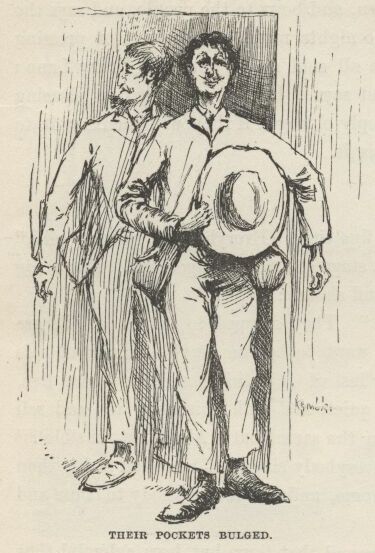
The third night the house was crammed again—and they warn’t new-comers this time, but people that was at the show the other two nights. I stood by the duke at the door, and I see that every man that went in had his pockets bulging, or something muffled up under his coat—and I see it warn’t no perfumery, neither, not by a long sight. I smelt sickly eggs by the barrel, and rotten cabbages, and such things; and if I know the signs of a dead cat being around, and I bet I do, there was sixty-four of them went in. I shoved in there for a minute, but it was too various for me; I couldn’t stand it. Well, when the place couldn’t hold no more people the duke he give a fellow a quarter and told him to tend door for him a minute, and then he started around for the stage door, I after him; but the minute we turned the corner and was in the dark he says:
The third night the house was packed again. And they wasn't newcomers this time, but people that was at the show the other two nights. I stood by the duke at the door. I see that every man that went in had his pockets bulging, or something wrapped up under his coat. And I see it wasn't no perfume, neither, not by a long shot. I smelled rotten eggs by the barrel, and rotten cabbages, and such things. And if I know the signs of a dead cat being around, there was sixty-four of them went in. And I bet I do know the signs. I pushed in there for a minute, but the mix of smells was too much for me. I couldn't stand it. Well, when the place couldn't hold no more people, the duke he give a fellow a quarter. He told him to watch the door for him a minute. Then he started around toward the stage door, with me following him. But the minute we turned the corner and was in the dark, he says:
“Walk fast now till you get away from the houses, and then shin for the raft like the dickens was after you!”
“Walk fast now till you get away from the houses. Then run for the raft like the dickens was after you!”
I done it, and he done the same. We struck the raft at the same time, and in less than two seconds we was gliding down stream, all dark and still, and edging towards the middle of the river, nobody saying a word. I reckoned the poor king was in for a gaudy time of it with the audience, but nothing of the sort; pretty soon he crawls out from under the wigwam, and says:
I done it, and he done the same. We reached the raft at the same time. In less than two seconds we was gliding downstream, all dark and still, and edging toward the river’s middle. Nobody said a word. I reckoned the poor king was in for a rough time with the audience, but nothing of the sort happened. Pretty soon he crawls out from under the wigwam and says:
“Well, how’d the old thing pan out this time, duke?”
“Well, how’d the old thing work out this time, duke?”
He hadn’t been up town at all.
He hadn’t been up to town at all.
We never showed a light till we was about ten mile below the village. Then we lit up and had a supper, and the king and the duke fairly laughed their bones loose over the way they’d served them people. The duke says:
We never showed a light until we was about ten mile downriver from the village. Then we lit up and had supper. And the king and the duke nearly laughed their bones loose over how they’d treated them people. The duke says:
“Greenhorns, flatheads! I knew the first house would keep mum and let the rest of the town get roped in; and I knew they’d lay for us the third night, and consider it was their turn now. Well, it is their turn, and I’d give something to know how much they’d take for it. I would just like to know how they’re putting in their opportunity. They can turn it into a picnic if they want to—they brought plenty provisions.”
“Greenhorns, flatheads! I knew the first audience would keep quiet and let the rest of the town get roped in. And I knew they’d be waiting for us the third night and think it was their turn now. Well, it is their turn, and I’d give something to know how much they’d sell that turn for. I would just like to know how they’re using their opportunity. They can turn it into a picnic if they want to. They brought plenty food.”
Them rapscallions took in four hundred and sixty-five dollars in that three nights. I never see money hauled in by the wagon-load like that before. By-and-by, when they was asleep and snoring, Jim says:
Them rapscallions took in four hundred and sixty-five dollars in those three nights. I never see money hauled in by the wagonload like that before. Later, when they was asleep and snoring, Jim says:
“Don’t it s’prise you de way dem kings carries on, Huck?”
“Don’t it surprise you the way them kings carries on, Huck?”
“No,” I says, “it don’t.”
“No,” I says, “it don’t.”
“Why don’t it, Huck?”
“Why don’t it, Huck?”
“Well, it don’t, because it’s in the breed. I reckon they’re all alike.”
“Well, it don’t, because it’s in their blood. I reckon they’re all alike.”
“But, Huck, dese kings o’ ourn is reglar rapscallions; dat’s jist what dey is; dey’s reglar rapscallions.”
“But, Huck, these kings of ours is regular rapscallions. That's just what they is. They's regular rapscallions.”
“Well, that’s what I’m a-saying; all kings is mostly rapscallions, as fur as I can make out.”
“Well, that’s what I’m saying. All kings is mostly rascals, as far as I can make out.”
“Is dat so?”
“Is that so?”
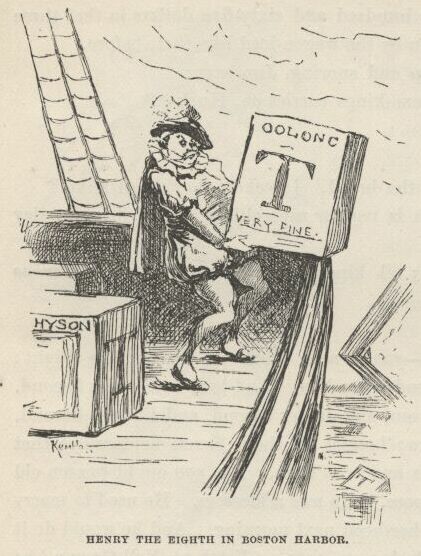
“You read about them once—you’ll see. Look at Henry the Eight; this’n ’s a Sunday-school Superintendent to him. And look at Charles Second, and Louis Fourteen, and Louis Fifteen, and James Second, and Edward Second, and Richard Third, and forty more; besides all them Saxon heptarchies that used to rip around so in old times and raise Cain. My, you ought to seen old Henry the Eight when he was in bloom. He was a blossom. He used to marry a new wife every day, and chop off her head next morning. And he would do it just as indifferent as if he was ordering up eggs. ‘Fetch up Nell Gwynn,’ he says. They fetch her up. Next morning, ‘Chop off her head!’ And they chop it off. ‘Fetch up Jane Shore,’ he says; and up she comes. Next morning, ‘Chop off her head’—and they chop it off. ‘Ring up Fair Rosamun.’ Fair Rosamun answers the bell. Next morning, ‘Chop off her head.’ And he made every one of them tell him a tale every night; and he kept that up till he had hogged a thousand and one tales that way, and then he put them all in a book, and called it Domesday Book—which was a good name and stated the case. You don’t know kings, Jim, but I know them; and this old rip of ourn is one of the cleanest I’ve struck in history. Well, Henry he takes a notion he wants to get up some trouble with this country. How does he go at it—give notice?—give the country a show? No. All of a sudden he heaves all the tea in Boston Harbor overboard, and whacks out a declaration of independence, and dares them to come on. That was his style—he never give anybody a chance. He had suspicions of his father, the Duke of Wellington. Well, what did he do? Ask him to show up? No—drownded him in a butt of mamsey, like a cat. S’pose people left money laying around where he was—what did he do? He collared it. S’pose he contracted to do a thing, and you paid him, and didn’t set down there and see that he done it—what did he do? He always done the other thing. S’pose he opened his mouth—what then? If he didn’t shut it up powerful quick he’d lose a lie every time. That’s the kind of a bug Henry was; and if we’d a had him along ’stead of our kings he’d a fooled that town a heap worse than ourn done. I don’t say that ourn is lambs, because they ain’t, when you come right down to the cold facts; but they ain’t nothing to that old ram, anyway. All I say is, kings is kings, and you got to make allowances. Take them all around, they’re a mighty ornery lot. It’s the way they’re raised.”
“You read about them sometime. You’ll see. Look at Henry the Eight. This one’s a Sunday-school Superintendent compared to him. And look at Charles Second, and Louis Fourteen, and Louis Fifteen, and James Second, and Edward Second, and Richard Third. And forty more, besides all them Saxon heptarchies that used to run wild in old times and raise Cain. My, you ought to seen old Henry the Eight in his prime. He was a blossom. He used to marry a new wife every day, and chop off her head next morning. And he would do it just as indifferent as if he was ordering eggs. ‘Bring up Nell Gwynn,’ he says. They bring her up. Next morning, ‘Chop off her head!’ And they chop it off. ‘Bring up Jane Shore,’ he says, and up she comes. Next morning, ‘Chop off her head.’ And they chop it off. ‘Ring for Fair Rosamun.’ Fair Rosamun answers the bell. Next morning, ‘Chop off her head.’ And he made every one of them tell him a tale every night. And he kept that up till he had hogged a thousand and one tales that way. Then he put them all in a book, and called it Domesday Book. That was a good name and summed it up. You don’t know kings, Jim, but I know them. And this old scoundrel of ours is one of the cleanest I’ve come across in history. Well, Henry he gets the idea he wants to stir up some trouble with this country. How does he go about it? Give notice? Give the country a chance? No. All of a sudden he throws all the tea in Boston Harbor overboard. Then he fires off a declaration of independence, and dares them to come on. That was his style. He never give anybody a chance. He had suspicions of his father, the Duke of Wellington. Well, what did he do? Ask him to come explain himself? No. Drowned him in a barrel of malmsey wine, like a cat. Suppose people left money lying around where he was. What did he do? He grabbed it. Suppose he agreed to do a thing, and you paid him. And suppose you didn’t sit down there and see that he done it. What did he do? He always done the other thing. Suppose he opened his mouth. What then? If he didn’t shut it up mighty quick, he’d let a lie slip out every time. That’s the kind of pest Henry was. And if we’d had him along instead of our kings, he’d have fooled that town a heap worse than ours done. I don’t say that ours is lambs, because they ain’t, when you get down to the cold facts. But they ain’t nothing to that old ram, anyway. All I say is, kings is kings, and you got to make allowances. Taken all together, they’re a mighty ornery lot. It’s the way they’re raised.”
“But dis one do smell so like de nation, Huck.”
“But this one do smell so like heck, Huck.”
“Well, they all do, Jim. We can’t help the way a king smells; history don’t tell no way.”
“Well, they all do, Jim. We can’t help the way a king smells. History don’t tell no way.”
“Now de duke, he’s a tolerble likely man in some ways.”
“Now the duke, he’s a pretty decent man in some ways.”
“Yes, a duke’s different. But not very different. This one’s a middling hard lot for a duke. When he’s drunk, there ain’t no near-sighted man could tell him from a king.”
“Yes, a duke’s different. But not very different. This one’s a fairly rough character for a duke. When he’s drunk, there ain’t no nearsighted man could tell him from a king.”
“Well, anyways, I doan’ hanker for no mo’ un um, Huck. Dese is all I kin stan’.”
“Well, anyways, I don't hanker for no more of them, Huck. These is all I can stand.”
“It’s the way I feel, too, Jim. But we’ve got them on our hands, and we got to remember what they are, and make allowances. Sometimes I wish we could hear of a country that’s out of kings.”
“That’s how I feel, too, Jim. But we’ve got them on our hands. And we got to remember what they are and cut them some slack. Sometimes I wish we could hear of a country with no kings.”
What was the use to tell Jim these warn’t real kings and dukes? It wouldn’t a done no good; and, besides, it was just as I said: you couldn’t tell them from the real kind.
What was the use to tell Jim these weren't real kings and dukes? It wouldn't have done no good. And besides, it was just as I said: you couldn't tell them from the real kind.
I went to sleep, and Jim didn’t call me when it was my turn. He often done that. When I waked up just at daybreak, he was sitting there with his head down betwixt his knees, moaning and mourning to himself. I didn’t take notice nor let on. I knowed what it was about. He was thinking about his wife and his children, away up yonder, and he was low and homesick; because he hadn’t ever been away from home before in his life; and I do believe he cared just as much for his people as white folks does for their’n. It don’t seem natural, but I reckon it’s so. He was often moaning and mourning that way nights, when he judged I was asleep, and saying, “Po’ little ’Lizabeth! po’ little Johnny! it’s mighty hard; I spec’ I ain’t ever gwyne to see you no mo’, no mo’!” He was a mighty good , Jim was.
I went to sleep, and Jim didn’t call me when it was my turn. He often done that. When I waked up just at daybreak, he was sitting there with his head down between his knees. He was moaning and mourning to himself. I didn’t take notice nor let on. I knowed what it was about. He was thinking about his wife and his children, far away up there, and he was sad and homesick. That was because he hadn’t ever been away from home before in his life. And I do believe he cared just as much for his family as white folks does for theirs. It don’t seem natural, but I reckon it’s so. He was often moaning and mourning that way at night, when he figured I was asleep. He’d say, “Poor little ’Lizabeth! poor little Johnny! it’s mighty hard. I expect I ain’t ever going to see you no more, no more!” He was a mighty good , Jim was.
But this time I somehow got to talking to him about his wife and young ones; and by-and-by he says:
But this time I somehow got to talking to him about his wife and kids. And after a while he says:
“What makes me feel so bad dis time ’uz bekase I hear sumpn over yonder on de bank like a whack, er a slam, while ago, en it mine me er de time I treat my little ’Lizabeth so ornery. She warn’t on’y ’bout fo’ year ole, en she tuck de sk’yarlet fever, en had a powful rough spell; but she got well, en one day she was a-stannin’ aroun’, en I says to her, I says:
“What makes me feel so bad this time was because I hear something over yonder on the bank. It was like a whack or a slam a while ago. And it remind me of the time I treat my little ’Lizabeth so ornery. She wasn’t only about four years old, and she took the scarlet fever and had a powerful rough spell. But she got well, and one day she was standing around, and I says to her, I says:
“‘Shet de do’.’
“‘Shut the door.’.
“She never done it; jis’ stood dah, kiner smilin’ up at me. It make me mad; en I says agin, mighty loud, I says:
“She never done it. Just stood there, kind of smiling up at me. It make me mad, and I says again, mighty loud, I says:
“‘Doan’ you hear me?—shet de do’!’
“‘Don’t you hear me? Shut the door!’”
“She jis stood de same way, kiner smilin’ up. I was a-bilin’! I says:
“She just stood the same way, kind of smiling up. I was boiling! I says:
“‘I lay I make you mine!’
“‘I bet I make you obey!’
“En wid dat I fetch’ her a slap side de head dat sont her a-sprawlin’. Den I went into de yuther room, en ’uz gone ’bout ten minutes; en when I come back dah was dat do’ a-stannin’ open yit, en dat chile stannin’ mos’ right in it, a-lookin’ down and mournin’, en de tears runnin’ down. My, but I wuz mad! I was a-gwyne for de chile, but jis’ den—it was a do’ dat open innerds—jis’ den, ’long come de wind en slam it to, behine de chile, ker-blam!—en my lan’, de chile never move’! My breff mos’ hop outer me; en I feel so—so—I doan’ know how I feel. I crope out, all a-tremblin’, en crope aroun’ en open de do’ easy en slow, en poke my head in behine de chile, sof’ en still, en all uv a sudden I says pow! jis’ as loud as I could yell. She never budge! Oh, Huck, I bust out a-cryin’ en grab her up in my arms, en say, ‘Oh, de po’ little thing! De Lord God Amighty fogive po’ ole Jim, kaze he never gwyne to fogive hisself as long’s he live!’ Oh, she was plumb deef en dumb, Huck, plumb deef en dumb—en I’d ben a-treat’n her so!”
“And with that I fetched her a slap side the head that sent her a-sprawling. Then I went into the other room, and was gone about ten minutes. And when I come back, there was that door a-standing open yet, and that child standing most right in it, a-looking down and mourning, and the tears running down. My, but I was mad! I was a-going for the child, but just then (it was a door that open inwards) just then, along come the wind and slam it to, behind the child, ker-blam! And my land, the child never moved! My breath most hop out of me. And I feel so... so... I don’t know how I feel. I crope out, all a-trembling, and crope around and open the door easy and slow, and poke my head in behind the child, soft and still, and all of a sudden I says pow! just as loud as I could yell. She never budge! Oh, Huck, I bust out a-crying and grab her up in my arms, and say, ‘Oh, the poor little thing! The Lord God Almighty forgive poor old Jim, because he never going to forgive hisself as long as he live!’ Oh, she was plumb deaf and dumb, Huck, plumb deaf and dumb, and I’d been a-treating her so!”