This comic novel follows a Connecticut factory worker who finds himself in King Arthur's Britain. Knowing when a solar eclipse will occur, he uses it to escape execution and claim magical powers.
426 pages 8h 16m reading time
One of the first and best-known stories about a modern person traveling back in time, and a classic of American satire.
Mocks the romantic picture of knights and chivalry, showing a medieval world full of cruelty, slavery, and blind obedience to church and nobles.
Questions the faith in progress, as the Yankee's factories, guns, and newspapers end in a terrible slaughter that wipes out his new society.
Helped set the pattern for later time-travel stories in which someone uses modern knowledge to change the past, a common idea in science fiction ever since.
Has been adapted many times for film, stage, and television, including a 1927 Rodgers and Hart musical and a 1949 film starring Bing Crosby.
Answer to a British critic
Twain was stung by Matthew Arnold's attacks on American culture, and the book partly fired back at Britain.
Sparked by a gift
On a lecture tour, writer George Washington Cable handed Twain an old book of King Arthur tales that inspired the idea.
Published by Twain himself
It came out through Twain's own publishing company, which also printed his famous Huckleberry Finn.
A poet's face on Merlin
Illustrator Dan Beard drew the wizard Merlin with the face of British poet Alfred Tennyson.
American humorist and novelist whose Tom Sawyer and Huckleberry Finn drew on his Mississippi River boyhood
The original uses words for races and peoples that are now dated or offensive, including slurs, which are covered. The modernized text uses today’s words, keeping slurs only where people in the book say them. Why


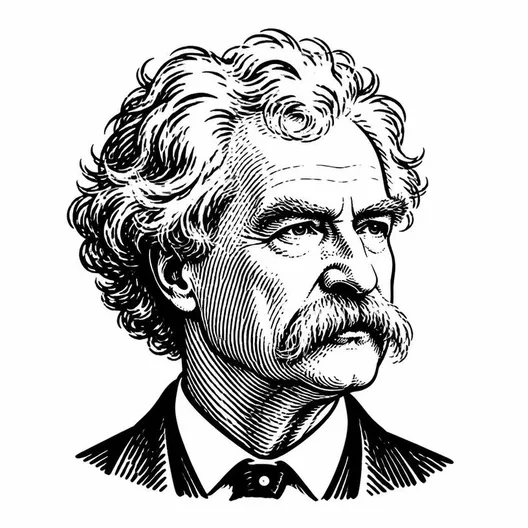 Mark Twain 1889