This satirical novel follows a traveler into a hidden country with strange laws and customs. Its people punish illness as a crime and fear that machines could become their masters.
293 pages 5h 41m reading time
One of the best-known satires of the Victorian age, and an early classic of fiction about imagined societies.
Turns the treatment of crime and illness upside down (criminals receive kind care while the sick are punished) to ask why people are blamed for some misfortunes but pitied for others.
Imagines, in its "Book of the Machines" chapters, that machines could evolve the way living things do under Darwin's theory and one day develop minds of their own.
Mocks the church, universities, and respectable society through invented institutions such as "Musical Banks," which deal in a money everyone praises but no one actually uses.
Is often cited as one of the first serious warnings about thinking machines, and it inspired the "Butlerian Jihad," the war against machines in Frank Herbert's "Dune."
Born in a newspaper letter
The machine chapters grew from a letter Butler wrote to a New Zealand newspaper while raising sheep there.
Real mountains behind it
The traveler's climb into the hidden country is based on mountains Butler explored near his New Zealand sheep farm.
Turned down by Meredith
The novelist George Meredith, reading books for a publisher, rejected it, so Butler paid to have it printed.
Mistaken for Lord Lytton
Published with no author's name, it sold well until readers learned it was by Butler, not the famous Lord Lytton.


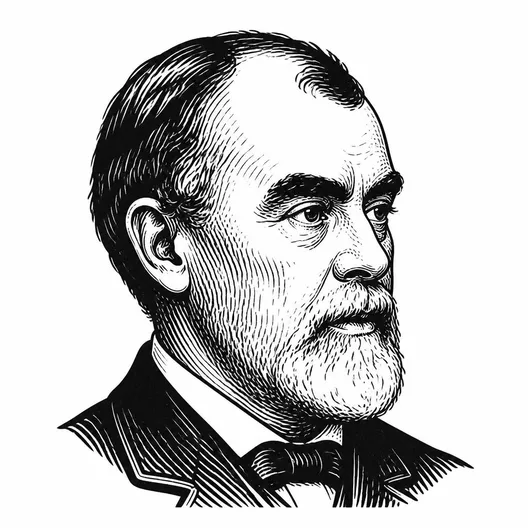 Samuel Butler 1872