This autobiography follows a man's journey from slavery to leadership of the Tuskegee school in Alabama. His entrance test at Hampton required him to sweep a classroom until it was spotless.
254 pages 4h 56m reading time
One of the most widely read American autobiographies, and a key text in African American history.
Argues that Black Americans could best rise after slavery through education, hard work, and learning useful trades, earning respect step by step.
Holds that the dignity of labor matters, and that working with your hands is as worthy as working with your mind.
Its message sparked a lasting debate about civil rights, most famously when W. E. B. Du Bois challenged it in "The Souls of Black Folk" (1903), arguing that Black Americans should demand full equal rights right away.
It inspired readers around the world, including Marcus Garvey, who said it led him to his own work for Black self-reliance.
Written in stolen moments
Washington wrote much of it on trains and in hotels while traveling to raise money for Tuskegee.
Helped by a ghostwriter
A white journalist, Max Bennett Thrasher, helped him gather notes and shape the chapters.
First told in a magazine
It first came out in parts in The Outlook, a popular weekly magazine, before becoming a book.
His second life story
An earlier autobiography had been sold mostly to Black readers, while this one aimed at white Northern readers.


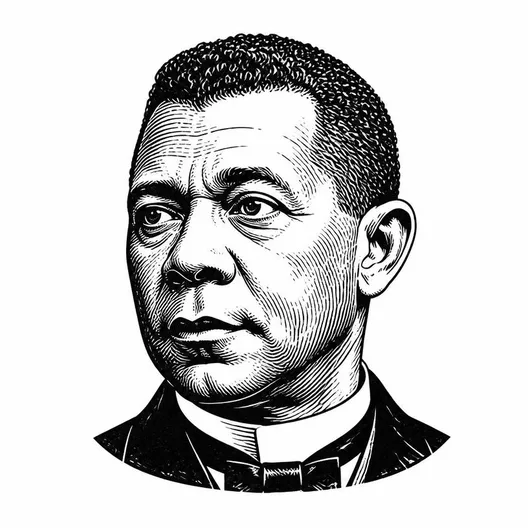 Booker T. Washington 1901