The World Set Free
H. G. Wells 1914 This science fiction novel follows the discovery of atomic energy and the war it makes possible. Its atomic bombs keep burning long after they fall.
237 pages 4h 36m reading time

- Often called the first novel to predict the atomic bomb, written decades before one was built.
- Imagines atomic power as a force so destructive that nations must give up war and join under a single world government to survive.
- Argues that science grows faster than human wisdom, so societies must change how they govern themselves or be destroyed by their own inventions.
- Inspired the physicist Leo Szilard, who read it in 1932 and soon after came up with the idea of the nuclear chain reaction, the process that makes atomic bombs work.
- Gave the world the term "atomic bomb," which Wells used years before the real weapon existed.
Arrived just before war
It came out in 1914, only months before World War One broke out across Europe.
Built on a chemist's book
Wells drew on chemist Frederick Soddy's book about radium and dedicated the novel to it.
First printed in parts
It first appeared in installments in The English Review magazine before coming out as a book.
Mixed early reviews
Some critics felt it read more like an essay on ideas than a story with real characters.

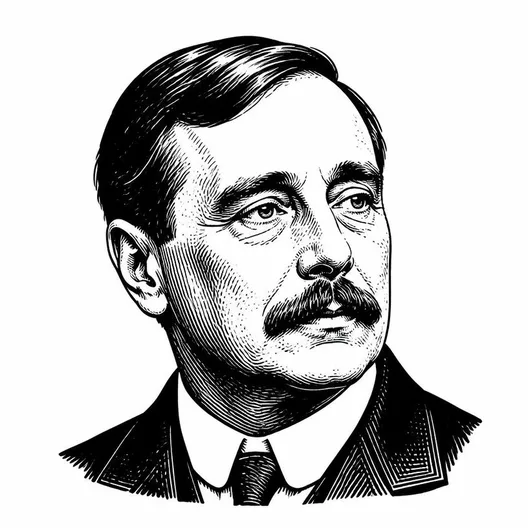
H. G. Wells
1866–1946
English writer whose science fiction, beginning with The Time Machine, imagined time travel and alien invasion
