These lectures examine personal religious experience through accounts of conversion, prayer, and unusual states of mind. One account describes a man's sudden sense of God's presence while hiking in the mountains.
557 pages 10h 48m reading time
A founding work in the psychology of religion, and still one of the most widely read books on the subject.
Argues that the heart of religion is personal experience, what individuals feel and go through, rather than churches, rituals, or official beliefs.
Judges religious experiences by their effects on a person's life, asking whether they make people better and more whole, instead of asking where the experiences come from.
Its contrast between "healthy-minded" people, who see the world as good, and "sick souls," who feel deeply the evil and pain in life, gave later writers a lasting way to talk about different kinds of faith.
Shaped the founders of Alcoholics Anonymous, who drew on its accounts of sudden, life-changing experiences in building their approach to recovery.
Hid his own breakdown
One case of terrible fear, credited to an unnamed French writer, was later revealed as James's own experience.
Given as Scottish lectures
It began as twenty Gifford Lectures in Edinburgh, delayed about a year because James had serious heart trouble.
Built from strangers' stories
James drew on diaries, letters, and survey answers, many collected by psychologist Edwin Starbuck from ordinary believers.
Tested on laughing gas
James described breathing nitrous oxide (laughing gas) himself, saying it revealed states of mind beyond ordinary waking life.


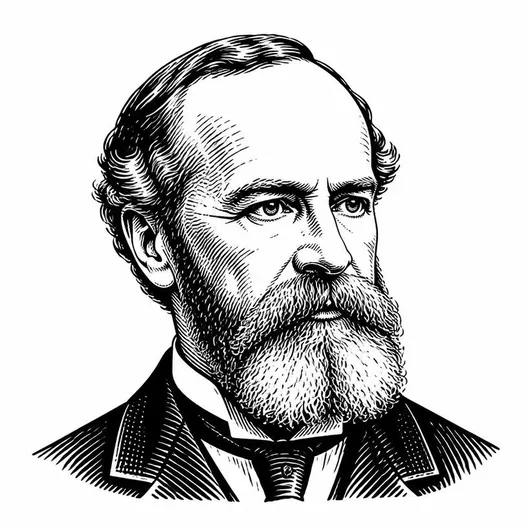 William James 1902