This horror story follows a man's investigation into a strange cult and a creature linked to disturbing dreams. A sailor's account leads to a sunken city where something immense begins to stir.
46 pages 53 min reading time
The best-known story by the writer who did more than anyone to shape modern "cosmic horror," fear of a universe far bigger and stranger than people.
Imagines that humans are small and unimportant in a vast universe, and that ancient beings older than our world do not care about us at all.
Suggests that knowing too much can destroy a person, opening with the idea that our inability to connect all we know is a mercy that keeps us sane.
Introduced Cthulhu, the giant tentacled creature that became one of the most famous monsters in popular culture, appearing in games, films, comics, and merchandise.
Gave its name to the "Cthulhu Mythos," a shared world of gods and forbidden books that many other writers have added to, influencing authors such as Stephen King.
Born from a real dream
A scene where a young artist brings a strange carving to a professor came from Lovecraft's own dream.
Rejected at first
The magazine Weird Tales first turned the story down, then accepted it when Lovecraft sent it again.
Paid very little
Lovecraft earned only about 165 dollars for the story when the magazine printed it.
A name hard to say
Lovecraft explained that "Cthulhu" was an alien word that human mouths could never say correctly.


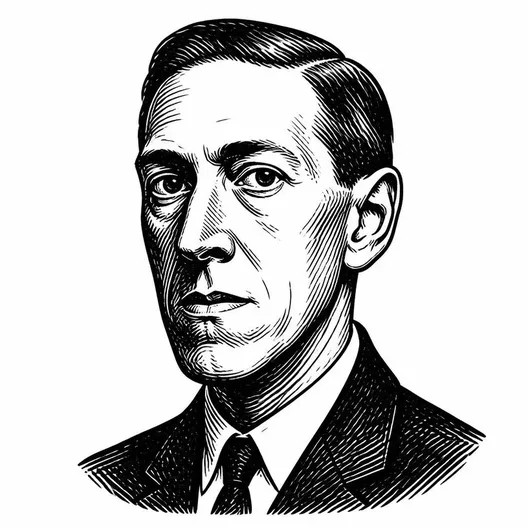 H. P. Lovecraft 1928