Southern Horrors
Lynch Law in All Its Phases
This pamphlet investigates lynching in the American South through newspaper reports and accounts of racial violence. Wells examines the 1892 killing of three Black businessmen in Memphis, including her friend Thomas Moss.
36 pages 41 min reading time
- A founding work of investigative journalism and one of the first major campaigns against lynching in the United States.
- Argues that the common excuse for lynching, that Black men were attacking white women, was false, and that lynching was really used to keep Black people poor, powerless, and afraid.
- Shows that many relationships between Black men and white women were by choice, and that white men who harmed Black women were almost never punished.
- Urges Black communities to defend themselves by moving away, refusing to buy from white businesses that supported mob rule, and using the press to spread the truth.
- Helped start the anti-lynching movement that groups like the NAACP (a leading American civil rights group), which Wells helped found, carried on for decades.
Written in exile
A white mob wrecked her Memphis newspaper office while she was traveling, so she wrote this from New York.
Began as a newspaper story
It first appeared as a long front-page article in the New York Age, a Black-owned newspaper.
Paid for by Black women
Black women in New York and Brooklyn held a fundraiser that paid to print it as a pamphlet.
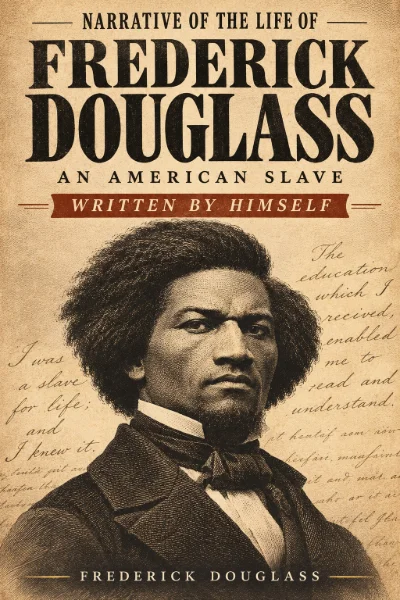
Praised by Frederick Douglass
A letter of praise from Frederick Douglass, the famous Black writer and speaker, was printed at the front.
The original uses words for races and peoples that are now dated or offensive. The modernized text uses today’s words. Why