These selected passages examine Christian faith, personal choice, and the difficulties of becoming an individual. The collection brings excerpts from several works together rather than presenting a single continuous argument.
299 pages 5h 48m reading time
This was the first English translation of Kierkegaard, the Danish thinker often called the father of existentialism.
Argues that truth that matters for a life cannot be gained by standing back and reasoning, but must be lived and chosen with passion by each person.
Argues that real Christian faith is a lonely, risky leap, not something a person gets by belonging to a church or a Christian nation.
His ideas about anxiety, despair, and personal choice shaped existentialism, the movement of twentieth-century thinkers like Heidegger and Sartre who asked how a person should live without fixed answers.
His view of faith as a personal commitment strongly influenced modern Christian thinkers such as Karl Barth and Paul Tillich.
Printed in a Texas bulletin
It first appeared as a modest University of Texas bulletin, not from a big commercial publisher.
Translated by a Norse expert
Hollander was a Texas professor best known for translating Old Norse poems and sagas.
Many voices, invented names
Several selections come from books Kierkegaard published under made-up pen names rather than his own name.
A long wait for English
Kierkegaard died in 1855, so English readers waited nearly seventy years for this collection.


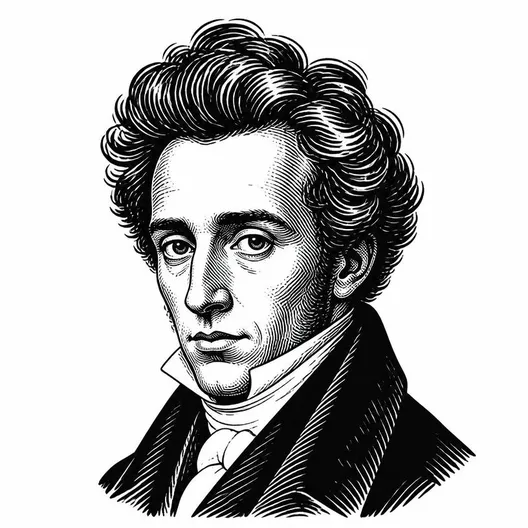 Søren Kierkegaard 1923