Chapter 17
A clean bill of health at Mauritius—Sailing the voyage over again in the opera-house—A newly discovered plant named in honor of the Spray's skipper—A party of young ladies out for a sail—A bivouac on deck—A warm reception at Durban—A friendly cross-examination by Henry M. Stanley—Three wise Boers seek proof of the flatness of the earth—Leaving South Africa.
A clean bill of health at Mauritius. Reliving the voyage at the opera house. A newly discovered plant named in honor of the Spray's skipper. A group of young women out for a sail. Camping on deck. A warm welcome at Durban. Friendly questioning by Henry M. Stanley. Three wise Boers seek proof that the earth is flat. Leaving South Africa.
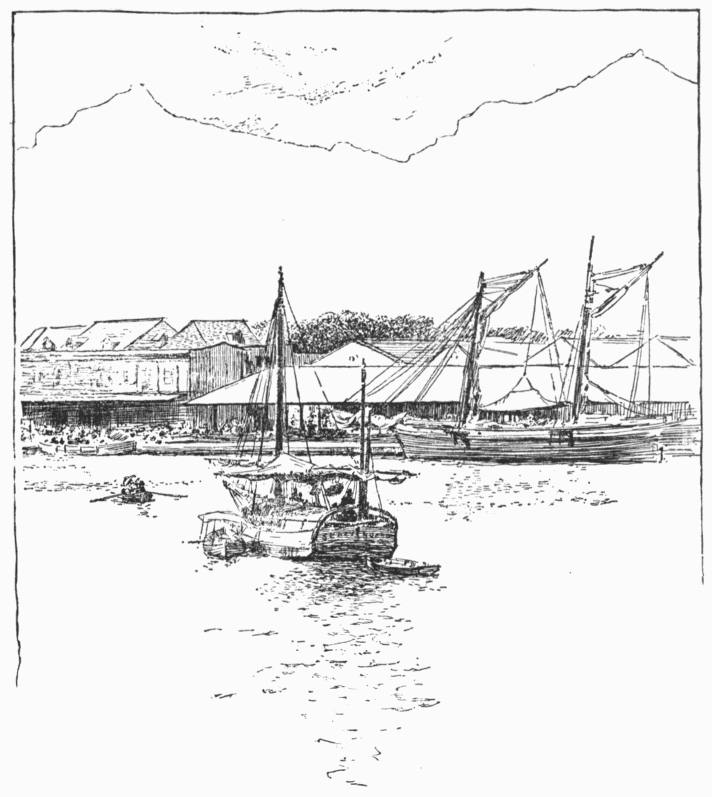
On the 16th of September, after eight restful days at Rodriguez, the mid-ocean land of plenty, I set sail, and on the 19th arrived at Mauritius, anchoring at quarantine about noon. The sloop was towed in later on the same day by the doctor's launch, after he was satisfied that I had mustered all the crew for inspection. Of this he seemed in doubt until he examined the papers, which called for a crew of one all told from port to port, throughout the voyage. Then finding that I had been well enough to come thus far alone, he gave me pratique without further ado. There was still another official visit for the Spray to pass farther in the harbor. The governor of Rodriguez, who had most kindly given me, besides a regular mail, private letters of introduction to friends, told me I should meet, first of all, Mr. Jenkins of the postal service, a good man. "How do you do, Mr. Jenkins?" cried I, as his boat swung alongside. "You don't know me," he said. "Why not?" I replied. "From where is the sloop?" "From around the world," I again replied, very solemnly. "And alone?" "Yes; why not?" "And you know me?" "Three thousand years ago," cried I, "when you and I had a warmer job than we have now" (even this was hot). "You were then Jenkinson, but if you have changed your name I don't blame you for that." Mr. Jenkins, forbearing soul, entered into the spirit of the jest, which served the Spray a good turn, for on the strength of this tale it got out that if any one should go on board after dark the devil would get him at once. And so I could leave the Spray without the fear of her being robbed at night. The cabin, to be sure, was broken into, but it was done in daylight, and the thieves got no more than a box of smoked herrings before "Tom" Ledson, one of the port officials, caught them red-handed, as it were, and sent them to jail. This was discouraging to pilferers, for they feared Ledson more than they feared Satan himself. Even Mamode Hajee Ayoob, who was the day-watchman on board,—till an empty box fell over in the cabin and frightened him out of his wits,—could not be hired to watch nights, or even till the sun went down. "Sahib," he cried, "there is no need of it," and what he said was perfectly true.
On September 16, after eight restful days at Rodriguez, that mid-ocean land of plenty, I set sail. I arrived at Mauritius on the 19th and anchored at the quarantine station around noon. Later that day, the doctor's launch towed the sloop in, once he was satisfied that I had assembled the whole crew for inspection. He seemed to doubt this until he examined the papers. They specified a crew of one in all, from port to port, throughout the voyage. Seeing that I had been well enough to come this far alone, he cleared me to enter without further fuss. The Spray still had to pass another official inspection farther into the harbor. The governor of Rodriguez had kindly given me regular mail and personal letters of introduction to friends. He told me I would meet Mr. Jenkins of the postal service first, and that he was a good man. "How do you do, Mr. Jenkins?" I called as his boat came alongside. "You don't know me," he said. "Why not?" I replied. "Where is the sloop from?" "From around the world," I replied, very solemnly. "And alone?" "Yes; why not?" "And you know me?" "Three thousand years ago," I cried, "when you and I had a hotter job than we have now." Even Mauritius was hot. "You were Jenkinson then, but if you have changed your name, I don't blame you for that." Mr. Jenkins, a tolerant soul, joined in the joke. The joke did the Spray a good turn. Because of the story, word got around that anyone who went aboard after dark would be seized by the devil at once. So I could leave the Spray without fearing she would be robbed at night. The cabin was broken into, to be sure, but it happened in daylight. The thieves got no more than a box of smoked herrings before "Tom" Ledson, a port official, caught them red-handed, so to speak, and sent them to jail. This discouraged other petty thieves, who feared Ledson more than Satan himself. Even Mamode Hajee Ayoob could not be hired to watch at night, or even until sundown. He was the day watchman aboard until an empty box fell over in the cabin and frightened him out of his wits. "Sahib," he cried, "there is no need of it," and he was perfectly right.
At Mauritius, where I drew a long breath, the Spray rested her wings, it being the season of fine weather. The hardships of the voyage, if there had been any, were now computed by officers of experience as nine tenths finished, and yet somehow I could not forget that the United States was still a long way off.
At Mauritius, I took a long breath, and the Spray rested her wings during the season of fine weather. Experienced officers reckoned that nine tenths of the voyage's hardships, if there had been any, were now over. Yet somehow I could not forget that the United States was still a long way off.
The kind people of Mauritius, to make me richer and happier, rigged up the opera-house, which they had named the "Ship Pantai." All decks and no bottom was this ship, but she was as stiff as a church. They gave me free use of it while I talked over the Spray's adventures. His Honor the mayor introduced me to his Excellency the governor from the poop-deck of the Pantai. In this way I was also introduced again to our good consul, General John P. Campbell, who had already introduced me to his Excellency, I was becoming well acquainted, and was in for it now to sail the voyage over again. How I got through the story I hardly know. It was a hot night, and I could have choked the tailor who made the coat I wore for this occasion. The kind governor saw that I had done my part trying to rig like a man ashore, and he invited me to Government House at Reduit, where I found myself among friends.
The kind people of Mauritius outfitted the opera house to make me richer and happier. They had named it the "Ship Pantai." This ship was all decks and no bottom, but she was as sturdy as a church. They let me use her for free while I talked about the Spray's adventures. His Honor the mayor introduced me to his Excellency the governor from the Pantai's poop deck. In this way, I was also introduced again to our good consul, General John P. Campbell. He had already introduced me to his Excellency. I was getting to know everyone well, and now I was in for sailing the voyage all over again. I hardly know how I got through the story. It was a hot night, and I could have choked the tailor who made the coat I wore for the occasion. The kind governor saw that I had done my part in trying to dress like a man ashore. He invited me to Government House at Reduit, where I found myself among friends.
Guinea hen
It was winter still off stormy Cape of Good Hope, but the storms might whistle there. I determined to see it out in milder Mauritius, visiting Rose Hill, Curipepe, and other places on the island. I spent a day with the elder Mr. Roberts, father of Governor Roberts of Rodriguez, and with his friends the Very Reverend Fathers O'Loughlin and McCarthy. Returning to the Spray by way of the great flower conservatory near Moka, the proprietor, having only that morning discovered a new and hardy plant, to my great honor named it "Slocum," which he said Latinized it at once, saving him some trouble on the twist of a word; and the good botanist seemed pleased that I had come. How different things are in different countries! In Boston, Massachusetts, at that time, a gentleman, so I was told, paid thirty thousand dollars to have a flower named after his wife, and it was not a big flower either, while "Slocum," which came without the asking, was bigger than a mangel-wurzel!
It was still winter off the stormy Cape of Good Hope, but the storms could whistle away there. I decided to wait out the winter in milder Mauritius, visiting Rose Hill, Curipepe, and other places on the island. I spent a day with the elder Mr. Roberts, father of Governor Roberts of Rodriguez. His friends, the Very Reverend Fathers O'Loughlin and McCarthy, were there too. On my way back to the Spray, I passed the great flower conservatory near Moka. The owner had discovered a new, hardy plant that very morning and honored me by naming it "Slocum." He said the name was Latin already, which saved him the trouble of twisting a word into shape. The good botanist seemed pleased that I had come. How different things are in different countries! I was told that, in Boston, Massachusetts, a gentleman had paid thirty thousand dollars to have a flower named after his wife. And it was not even a big flower. Meanwhile, "Slocum" had come without my asking and was bigger than a mangel-wurzel!
I was royally entertained at Moka, as well as at Reduit and other places—once by seven young ladies, to whom I spoke of my inability to return their hospitality except in my own poor way of taking them on a sail in the sloop. "The very thing! The very thing!" they all cried. "Then please name the time," I said, as meek as Moses. "To-morrow!" they all cried. "And, aunty, we may go, mayn't we, and we'll be real good for a whole week afterward, aunty! Say yes, aunty dear!" All this after saying "To-morrow"; for girls in Mauritius are, after all, the same as our girls in America; and their dear aunt said "Me, too" about the same as any really good aunt might say in my own country.
I was treated like royalty at Moka, as well as at Reduit and other places. Once, seven young ladies entertained me. I told them I could repay their hospitality only in my own humble way, by taking them sailing in the sloop. "The very thing! The very thing!" they all cried. "Then please name the time," I said, as meek as Moses. "Tomorrow!" they all cried. "And, aunty, we can go, can't we? We'll be really good for a whole week afterward, aunty! Say yes, dear aunty!" They asked this only after saying "Tomorrow." For girls in Mauritius are, after all, just like our girls in America. And their dear aunt said "Me, too," much as any really good aunt might say in my own country.
I was then in a quandary, it having recurred to me that on the very "to-morrow" I was to dine with the harbor-master, Captain Wilson. However, I said to myself, "The Spray will run out quickly into rough seas; these young ladies will have mal de mer and a good time, and I'll get in early enough to be at the dinner, after all." But not a bit of it. We sailed almost out of sight of Mauritius, and they just stood up and laughed at seas tumbling aboard, while I was at the helm making the worst weather of it I could, and spinning yarns to the aunt about sea-serpents and whales. But she, dear lady, when I had finished with stories of monsters, only hinted at a basket of provisions they had brought along, enough to last a week, for I had told them about my wretched steward.
I was in a bind. I had just remembered that I was supposed to dine with the harbor-master, Captain Wilson, the very "next day." But I said to myself, "The Spray will soon sail into rough seas. These young ladies will get mal de mer and have a good time. And I'll get back early enough for dinner after all." But nothing of the sort happened. We sailed almost out of sight of Mauritius. The young ladies just stood and laughed as the seas came tumbling aboard. Meanwhile, I was at the helm, making the weather seem as bad as I could. I also told their aunt yarns about sea serpents and whales. But when I had finished my stories of monsters, the dear lady merely mentioned a basket of provisions they had brought. It contained enough to last a week, because I had told them about my wretched steward.
The more the Spray tried to make these young ladies seasick, the more they all clapped their hands and said, "How lovely it is!" and "How beautifully she skims over the sea!" and "How beautiful our island appears from the distance!" and they still cried, "Go on!" We were fifteen miles or more at sea before they ceased the eager cry, "Go on!" Then the sloop swung round, I still hoping to be back to Port Louis in time to keep my appointment. The Spray reached the island quickly, and flew along the coast fast enough; but I made a mistake in steering along the coast on the way home, for as we came abreast of Tombo Bay it enchanted my crew. "Oh, let's anchor here!" they cried. To this no sailor in the world would have said nay. The sloop came to anchor, ten minutes later, as they wished, and a young man on the cliff abreast, waving his hat, cried, "Vive la Spray!" My passengers said, "Aunty, mayn't we have a swim in the surf along the shore?" Just then the harbor-master's launch hove in sight, coming out to meet us; but it was too late to get the sloop into Port Louis that night. The launch was in time, however, to land my fair crew for a swim; but they were determined not to desert the ship. Meanwhile I prepared a roof for the night on deck with the sails, and a Bengali man-servant arranged the evening meal. That night the Spray rode in Tombo Bay with her precious freight. Next morning bright and early, even before the stars were gone, I awoke to hear praying on deck.
The more the Spray tried to make the young ladies seasick, the more they all clapped their hands. They said, "How lovely it is!" and "How beautifully she glides over the sea!" and "How beautiful our island looks from a distance!" They kept crying, "Go on!" We were at least fifteen miles out to sea before they stopped eagerly calling, "Go on!" Then the sloop turned around. I still hoped to get back to Port Louis in time for my appointment. The Spray reached the island quickly and sped along the coast. But I made a mistake by sailing along the coast on our way home. When we came alongside Tombo Bay, it enchanted my crew. "Oh, let's anchor here!" they cried. No sailor in the world would have said no to that. Ten minutes later, the sloop anchored as they wished. A young man on the cliff opposite waved his hat and cried, "Vive la Spray!" My passengers said, "Aunty, may we have a swim in the surf along the shore?" Just then, the harbor-master's launch came into sight, coming out to meet us. But it was too late to get the sloop into Port Louis that night. The launch was in time, however, to take my fair crew ashore for a swim. But they were determined not to leave the ship. Meanwhile, I used the sails to make a roof over the deck for the night. A Bengali man-servant prepared the evening meal. That night, the Spray lay at anchor in Tombo Bay with her precious cargo. Early the next morning, before the stars had even disappeared, I woke to hear praying on deck.
The port officers' launch reappeared later in the morning, this time with Captain Wilson himself on board, to try his luck in getting the Spray into port, for he had heard of our predicament. It was worth something to hear a friend tell afterward how earnestly the good harbor-master of Mauritius said, "I'll find the Spray and I'll get her into port." A merry crew he discovered on her. They could hoist sails like old tars, and could trim them, too. They could tell all about the ship's "hoods," and one should have seen them clap a bonnet on the jib. Like the deepest of deep-water sailors, they could heave the lead, and—as I hope to see Mauritius again!—any of them could have put the sloop in stays. No ship ever had a fairer crew.
The port officers' launch returned later that morning, this time with Captain Wilson himself aboard. He had heard of our predicament and came to try his luck at getting the Spray into port. It was heartening to hear a friend later describe how earnestly the good harbor-master of Mauritius had said, "I'll find the Spray and I'll get her into port." He found a merry crew aboard her. They could hoist and trim sails like old sailors. They could tell you all about the ship's "hoods," and you should have seen them put a bonnet on the jib. Like the most experienced ocean sailors, they could heave the lead. And, as I hope to see Mauritius again, any of them could have put the sloop in stays. No ship ever had a fairer crew.
The voyage was the event of Port Louis; such a thing as young ladies sailing about the harbor, even, was almost unheard of before.
The voyage was the big event in Port Louis. Before then, it was almost unheard of for young women to sail even around the harbor.
While at Mauritius the Spray was tendered the use of the military dock free of charge, and was thoroughly refitted by the port authorities. My sincere gratitude is also due other friends for many things needful for the voyage put on board, including bags of sugar from some of the famous old plantations.
While I was in Mauritius, the Spray was offered free use of the military dock. The port authorities thoroughly refitted the boat. I am also sincerely grateful to other friends who put many things needed for the voyage on board. These included bags of sugar from some of the famous old plantations.
The favorable season now set in, and thus well equipped, on the 26th of October, the Spray put to sea. As I sailed before a light wind the island receded slowly, and on the following day I could still see the Puce Mountain near Moka. The Spray arrived next day off Galets, Reunion, and a pilot came out and spoke her. I handed him a Mauritius paper and continued on my voyage; for rollers were running heavily at the time, and it was not practicable to make a landing. From Reunion I shaped a course direct for Cape St. Mary, Madagascar.
The favorable season had now begun, and on October 26, the well-equipped Spray put to sea. As I sailed before a light wind, the island slowly receded. The next day, I could still see Puce Mountain near Moka. The following day, the Spray arrived off Galets, Reunion, and a pilot came out and spoke to me. I handed him a Mauritius newspaper and continued my voyage. Heavy waves were rolling in at the time, making it impossible to land. From Reunion, I set a direct course for Cape St. Mary, Madagascar.
The sloop was now drawing near the limits of the trade-wind, and the strong breeze that had carried her with free sheets the many thousands of miles from Sandy Cape, Australia, fell lighter each day until October 30, when it was altogether calm, and a motionless sea held her in a hushed world. I furled the sails at evening, sat down on deck, and enjoyed the vast stillness of the night.
The sloop was now nearing the edge of the trade winds. The strong breeze had carried her thousands of miles from Sandy Cape, Australia, with her sails loosened. Each day it grew lighter, until October 30, when the wind died altogether. The motionless sea held her in a silent world. That evening, I furled the sails, sat down on deck, and enjoyed the vast stillness of the night.
October 31 a light east-northeast breeze sprang up, and the sloop passed Cape St. Mary about noon. On the 6th, 7th, 8th, and 9th of November, in the Mozambique Channel, she experienced a hard gale of wind from the southwest. Here the Spray suffered as much as she did anywhere, except off Cape Horn. The thunder and lightning preceding this gale were very heavy. From this point until the sloop arrived off the coast of Africa, she encountered a succession of gales of wind, which drove her about in many directions, but on the 17th of November she arrived at Port Natal.
On October 31, a light breeze sprang up from the east-northeast, and the sloop passed Cape St. Mary around noon. From November 6 through 9, the sloop encountered a fierce gale from the southwest in the Mozambique Channel. The Spray suffered as much there as she did anywhere except off Cape Horn. Heavy thunder and lightning preceded the gale. From that point until the sloop reached the coast of Africa, she encountered a series of gales. The gales drove her in many directions, but she arrived at Port Natal on November 17.
This delightful place is the commercial center of the "Garden Colony," Durban itself, the city, being the continuation of a garden. The signalman from the bluff station reported the Spray fifteen miles off. The wind was freshening, and when she was within eight miles he said: "The Spray is shortening sail; the mainsail was reefed and set in ten minutes. One man is doing all the work."
This delightful place is the commercial center of the "Garden Colony." The city of Durban itself is a continuation of a garden. The signalman at the bluff station reported that the Spray was fifteen miles away. The wind was picking up, and when the Spray was eight miles away, he said: "The Spray is shortening sail. The mainsail was reefed and set in ten minutes. One man is doing all the work."
This item of news was printed three minutes later in a Durban morning journal, which was handed to me when I arrived in port. I could not verify the time it had taken to reef the sail, for, as I have already said, the minute-hand of my timepiece was gone. I only knew that I reefed as quickly as I could.
Three minutes later, this news was printed in a Durban morning newspaper. The paper was handed to me when I arrived in port. I could not check how long it had taken me to reef the sail. As I have already said, the minute hand was missing from my timepiece. I only knew that I had reefed as quickly as I could.
The same paper, commenting on the voyage, said: "Judging from the stormy weather which has prevailed off this coast during the past few weeks, the Spray must have had a very stormy voyage from Mauritius to Natal." Doubtless the weather would have been called stormy by sailors in any ship, but it caused the Spray no more inconvenience than the delay natural to head winds generally.
The same paper commented on the voyage: "Judging by the stormy weather off this coast over the past few weeks, the Spray must have had a very stormy voyage from Mauritius to Natal." No doubt sailors on any ship would have called the weather stormy. But it caused the Spray no inconvenience beyond the usual delay caused by headwinds.
The question of how I sailed the sloop alone, often asked, is best answered, perhaps, by a Durban newspaper. I would shrink from repeating the editor's words but for the reason that undue estimates have been made of the amount of skill and energy required to sail a sloop of even the Spray's small tonnage. I heard a man who called himself a sailor say that "it would require three men to do what it was claimed" that I did alone, and what I found perfectly easy to do over and over again; and I have heard that others made similar nonsensical remarks, adding that I would work myself to death. But here is what the Durban paper said:
People often ask how I sailed the sloop alone. A Durban newspaper perhaps answers the question best. I would hesitate to repeat the editor's words, except that people have exaggerated the skill and energy needed to sail a sloop, even one as small as the Spray. I heard a man who called himself a sailor say that "it would require three men to do what it was claimed" I had done alone. Yet I found it perfectly easy to do again and again. I have heard that others made similarly ridiculous remarks, adding that I would work myself to death. But here is what the Durban paper said:
[Citation: As briefly noted yesterday, the Spray, with a crew of one man, arrived at this port yesterday afternoon on her cruise round the world. The Spray made quite an auspicious entrance to Natal. Her commander sailed his craft right up the channel past the main wharf, and dropped his anchor near the old Forerunner in the creek, before any one had a chance to get on board. The Spray was naturally an object of great curiosity to the Point people, and her arrival was witnessed by a large crowd. The skilful manner in which Captain Slocum steered his craft about the vessels which were occupying the waterway was a treat to witness.]
[Citation: As briefly reported yesterday, the Spray arrived at this port yesterday afternoon on her voyage around the world. She had a crew of one man. The Spray made an impressive entrance to Natal. Her captain sailed her right up the channel past the main wharf. He anchored near the old Forerunner in the creek before anyone had a chance to board. The Spray naturally attracted great curiosity among the Point people, and a large crowd watched her arrival. It was a treat to watch Captain Slocum skillfully steer his vessel around the ships in the waterway.]
The Spray was not sailing in among greenhorns when she came to Natal. When she arrived off the port the pilot-ship, a fine, able steam-tug, came out to meet her, and led the way in across the bar, for it was blowing a smart gale and was too rough for the sloop to be towed with safety. The trick of going in I learned by watching the steamer; it was simply to keep on the windward side of the channel and take the combers end on.
The Spray was not sailing among inexperienced sailors when she came to Natal. When she arrived off the port, the pilot boat came out to meet her. It was a fine, capable steam tug, and it led the way across the sandbar into port. A strong gale was blowing, and the water was too rough to tow the sloop safely. By watching the steamer, I learned the trick of getting in. I simply had to stay on the windward side of the channel and face the breaking waves head-on.
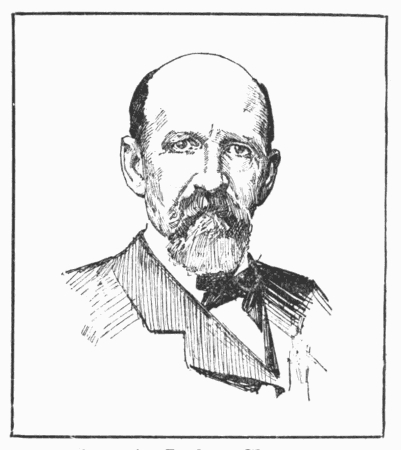
I found that Durban supported two yacht-clubs, both of them full of enterprise. I met all the members of both clubs, and sailed in the crack yacht Florence of the Royal Natal, with Captain Spradbrow and the Right Honorable Harry Escombe, premier of the colony. The yacht's center-board plowed furrows through the mud-banks, which, according to Mr. Escombe, Spradbrow afterward planted with potatoes. The Florence, however, won races while she tilled the skipper's land. After our sail on the Florence Mr. Escombe offered to sail the Spray round the Cape of Good Hope for me, and hinted at his famous cribbage-board to while away the hours. Spradbrow, in retort, warned me of it. Said he, "You would be played out of the sloop before you could round the cape." By others it was not thought probable that the premier of Natal would play cribbage off the Cape of Good Hope to win even the Spray.
I found that Durban had two yacht clubs, both full of energy. I met all the members of both clubs. I also sailed in the Royal Natal club's top yacht, the Florence, with Captain Spradbrow and the Right Honorable Harry Escombe, premier of the colony. The yacht's centerboard plowed furrows through the mudbanks. According to Mr. Escombe, Spradbrow later planted potatoes in them. The Florence, however, won races while she tilled the skipper's land. After our sail on the Florence, Mr. Escombe offered to sail the Spray around the Cape of Good Hope for me. He also hinted that we could pass the hours playing on his famous cribbage board. Spradbrow, in response, warned me about the board. He said, "You would be played out of the sloop before you could round the cape." Others thought it unlikely that the premier of Natal would play cribbage off the Cape of Good Hope to win even the Spray.
It was a matter of no small pride to me in South Africa to find that American humor was never at a discount, and one of the best American stories I ever heard was told by the premier. At Hotel Royal one day, dining with Colonel Saunderson, M. P., his son, and Lieutenant Tipping, I met Mr. Stanley. The great explorer was just from Pretoria, and had already as good as flayed President Krüger with his trenchant pen. But that did not signify, for everybody has a whack at Oom Paul, and no one in the world seems to stand the joke better than he, not even the Sultan of Turkey himself. The colonel introduced me to the explorer, and I hauled close to the wind, to go slow, for Mr. Stanley was a nautical man once himself,—on the Nyanza, I think,—and of course my desire was to appear in the best light before a man of his experience. He looked me over carefully, and said, "What an example of patience!" "Patience is all that is required," I ventured to reply. He then asked if my vessel had water-tight compartments. I explained that she was all water-tight and all compartment. "What if she should strike a rock?" he asked. "Compartments would not save her if she should hit the rocks lying along her course," said I; adding, "she must be kept away from the rocks." After a considerable pause Mr. Stanley asked, "What if a swordfish should pierce her hull with its sword?" Of course I had thought of that as one of the dangers of the sea, and also of the chance of being struck by lightning. In the case of the swordfish, I ventured to say that "the first thing would be to secure the sword." The colonel invited me to dine with the party on the following day, that we might go further into this matter, and so I had the pleasure of meeting Mr. Stanley a second time, but got no more hints in navigation from the famous explorer.
In South Africa, I was quite proud to find that American humor was always appreciated. One of the best American stories I ever heard was told by the premier. One day at Hotel Royal, I met Mr. Stanley while dining with Colonel Saunderson, M. P., his son, and Lieutenant Tipping. The great explorer had just come from Pretoria and had already practically flayed President Krüger with his sharp pen. But that did not matter, because everyone takes a whack at Oom Paul. No one in the world seems to take the joke better than he does, not even the Sultan of Turkey himself. The colonel introduced me to the explorer, and I sailed close to the wind, proceeding cautiously. Mr. Stanley had once been a sailor himself, on the Nyanza, I think. Naturally, I wanted to make the best impression on a man of his experience. He looked me over carefully and said, "What an example of patience!" "Patience is all that is required," I ventured to reply. He then asked if my vessel had watertight compartments. I explained that she was entirely watertight and entirely one compartment. "What if she should strike a rock?" he asked. "Compartments would not save her if she hit the rocks along her course," I said, adding, "she must be kept away from the rocks." After a long pause, Mr. Stanley asked, "What if a swordfish should pierce her hull with its sword?" Of course, I had considered that as one of the dangers of the sea, along with the chance of being struck by lightning. In the case of the swordfish, I ventured to say that "the first thing would be to secure the sword." The colonel invited me to dine with the party the next day, so we could discuss the matter further. I had the pleasure of meeting Mr. Stanley a second time, but got no more navigation tips from the famous explorer.
It sounds odd to hear scholars and statesmen say the world is flat; but it is a fact that three Boers favored by the opinion of President Krüger prepared a work to support that contention. While I was at Durban they came from Pretoria to obtain data from me, and they seemed annoyed when I told them that they could not prove it by my experience. With the advice to call up some ghost of the dark ages for research, I went ashore, and left these three wise men poring over the Spray's track on a chart of the world, which, however, proved nothing to them, for it was on Mercator's projection, and behold, it was "flat." The next morning I met one of the party in a clergyman's garb, carrying a large Bible, not different from the one I had read. He tackled me, saying, "If you respect the Word of God, you must admit that the world is flat." "If the Word of God stands on a flat world—" I began. "What!" cried he, losing himself in a passion, and making as if he would run me through with an assagai. "What!" he shouted in astonishment and rage, while I jumped aside to dodge the imaginary weapon. Had this good but misguided fanatic been armed with a real weapon, the crew of the Spray would have died a martyr there and then. The next day, seeing him across the street, I bowed and made curves with my hands. He responded with a level, swimming movement of his hands, meaning "the world is flat." A pamphlet by these Transvaal geographers, made up of arguments from sources high and low to prove their theory, was mailed to me before I sailed from Africa on my last stretch around the globe.
It sounds odd to hear scholars and statesmen say the world is flat. But three Boers, with President Krüger's support, actually prepared a work arguing that it was. While I was in Durban, they came from Pretoria to get information from me. They seemed annoyed when I told them my experience could not prove their claim. I advised them to summon some ghost from the Dark Ages to help with their research. Then I went ashore, leaving the three wise men studying the Spray's route on a world map. The map proved nothing to them, however, because it used Mercator's projection. And lo and behold, it was "flat." The next morning I met one of the group dressed as a clergyman and carrying a large Bible. It was no different from the one I had read. He confronted me, saying, "If you respect the Word of God, you must admit that the world is flat." "If the Word of God stands on a flat world," I began. "What!" he cried, flying into a rage and acting as if he would run me through with an assagai. "What!" he shouted in astonishment and anger, while I jumped aside to dodge the imaginary weapon. Had this good but misguided fanatic carried a real weapon, the crew of the Spray would have died a martyr on the spot. The next day, I saw him across the street. I bowed and traced curves in the air with my hands. He responded with a level, swimming motion of his hands, meaning "the world is flat." Before I sailed from Africa on the last stretch of my voyage around the globe, I received a pamphlet from these Transvaal geographers. It drew on arguments from sources high and low to prove their theory.
While I feebly portray the ignorance of these learned men, I have great admiration for their physical manhood. Much that I saw first and last of the Transvaal and the Boers was admirable. It is well known that they are the hardest of fighters, and as generous to the fallen as they are brave before the foe. Real stubborn bigotry with them is only found among old fogies, and will die a natural death, and that, too, perhaps long before we ourselves are entirely free from bigotry. Education in the Transvaal is by no means neglected, English as well as Dutch being taught to all that can afford both; but the tariff duty on English school-books is heavy, and from necessity the poorer people stick to the Transvaal Dutch and their flat world, just as in Samoa and other islands a mistaken policy has kept the natives down to Kanaka.
Although I can only poorly describe the ignorance of these learned men, I greatly admire their physical strength and courage. Much that I saw of the Transvaal and the Boers throughout my travels was admirable. They are well known as fierce fighters, as generous to the fallen as they are brave before an enemy. Among them, truly stubborn bigotry is found only among old fogies. It will die out naturally, perhaps long before we ourselves are entirely free of bigotry. Education is by no means neglected in the Transvaal. Everyone who can afford both is taught English as well as Dutch. But the tariff on English schoolbooks is high. So poorer people must stick to Transvaal Dutch and their flat world. Similarly, in Samoa and other islands, misguided policy has kept the natives confined to Kanaka.
I visited many public schools at Durban, and had the pleasure of meeting many bright children.
I visited many public schools in Durban and enjoyed meeting many bright children.
But all fine things must end, and December 14, 1897, the "crew" of the Spray, after having a fine time in Natal, swung the sloop's dinghy in on deck, and sailed with a morning land-wind, which carried her clear of the bar, and again she was "off on her alone," as they say in Australia.
But all good things must end. On December 14, 1897, after a fine time in Natal, the "crew" of the Spray hauled the sloop's dinghy onto the deck. A morning land breeze carried her clear of the bar. Once again she was "off on her alone," as they say in Australia.