Chapter 2
Failure as a fisherman—A voyage around the world projected—From Boston to Gloucester—Fitting out for the ocean voyage—Half of a dory for a ship's boat—The run from Gloucester to Nova Scotia—A shaking up in home waters—Among old friends.
Failure as a fisherman. A voyage around the world planned. From Boston to Gloucester. Preparing for the ocean voyage. Half a dory as a ship’s boat. The voyage from Gloucester to Nova Scotia. A rough time in home waters. Among old friends.
I spent a season in my new craft fishing on the coast, only to find that I had not the cunning properly to bait a hook. But at last the time arrived to weigh anchor and get to sea in earnest. I had resolved on a voyage around the world, and as the wind on the morning of April 24,1895, was fair, at noon I weighed anchor, set sail, and filled away from Boston, where the Spray had been moored snugly all winter. The twelve-o'clock whistles were blowing just as the sloop shot ahead under full sail. A short board was made up the harbor on the port tack, then coming about she stood seaward, with her boom well off to port, and swung past the ferries with lively heels. A photographer on the outer pier at East Boston got a picture of her as she swept by, her flag at the peak throwing its folds clear. A thrilling pulse beat high in me. My step was light on deck in the crisp air. I felt that there could be no turning back, and that I was engaging in an adventure the meaning of which I thoroughly understood. I had taken little advice from any one, for I had a right to my own opinions in matters pertaining to the sea. That the best of sailors might do worse than even I alone was borne in upon me not a league from Boston docks, where a great steamship, fully manned, officered, and piloted, lay stranded and broken. This was the Venetian. She was broken completely in two over a ledge. So in the first hour of my lone voyage I had proof that the Spray could at least do better than this full-handed steamship, for I was already farther on my voyage than she. "Take warning, Spray, and have a care," I uttered aloud to my bark, passing fairylike silently down the bay.
I spent a season fishing along the coast in my new boat, only to discover that I lacked the skill to bait a hook properly. But at last it was time to weigh anchor and head out to sea in earnest. I had decided to sail around the world. On the morning of April 24, 1895, the wind was favorable. So at noon I weighed anchor, set sail, and headed out from Boston, where the Spray had been moored snugly all winter. The noon whistles were blowing just as the sloop surged ahead under full sail. I sailed a short distance up the harbor on the port tack, then turned and headed out to sea. With her boom swung well out to port, the Spray sped past the ferries. A photographer on the outer pier at East Boston took a picture of her as she swept by, her flag flying freely from the top of her sail. My heart raced with excitement. My step was light on deck in the crisp air. I felt there could be no turning back, and that I fully understood the adventure I was undertaking. I had taken little advice from anyone, for I had a right to my own opinions about the sea. Less than a league from the Boston docks, I was reminded that even the best sailors might fare worse than I would alone. A large steamship, with a full crew, officers, and a pilot, lay stranded and broken. This was the Venetian. She had been broken completely in two on a rocky ledge. So, in the first hour of my solo voyage, I had proof that the Spray could at least do better than this fully crewed steamship. I was already farther along on my voyage than she was. "Take warning, Spray, and be careful," I said aloud to my boat as she passed silently down the bay like a fairy.
The wind freshened, and the Spray rounded Deer Island light at the rate of seven knots.
The wind picked up, and the Spray rounded the Deer Island lighthouse at seven knots.
Passing it, she squared away direct for Gloucester to procure there some fishermen's stores. Waves dancing joyously across Massachusetts Bay met her coming out of the harbor to dash them into myriads of sparkling gems that hung about her at every surge. The day was perfect, the sunlight clear and strong. Every particle of water thrown into the air became a gem, and the Spray, bounding ahead, snatched necklace after necklace from the sea, and as often threw them away. We have all seen miniature rainbows about a ship's prow, but the Spray flung out a bow of her own that day, such as I had never seen before. Her good angel had embarked on the voyage; I so read it in the sea.
After passing it, she headed straight for Gloucester to get some fishermen's supplies. As she left the harbor, joyful waves danced across Massachusetts Bay to meet her. She dashed them into countless sparkling gems that hung around her with every surge. The day was perfect, and the sunlight was clear and strong. Every drop of water thrown into the air became a gem. Bounding ahead, the Spray, snatched necklace after necklace from the sea, only to throw them away again. We have all seen miniature rainbows around a ship's bow. But that day, the Spray cast a rainbow of her own, unlike any I had ever seen. Her good angel had come aboard for the voyage. That was how I read the sign in the sea.
Bold Nahant was soon abeam, then Marblehead was put astern. Other vessels were outward bound, but none of them passed the Spray flying along on her course. I heard the clanking of the dismal bell on Norman's Woe as we went by; and the reef where the schooner Hesperus struck I passed close aboard. The "bones" of a wreck tossed up lay bleaching on the shore abreast. The wind still freshening, I settled the throat of the mainsail to ease the sloop's helm, for I could hardly hold her before it with the whole mainsail set. A schooner ahead of me lowered all sail and ran into port under bare poles, the wind being fair. As the Spray brushed by the stranger, I saw that some of his sails were gone, and much broken canvas hung in his rigging, from the effects of a squall.
Bold Nahant was soon alongside, and then Marblehead was behind us. Other vessels were heading out to sea, but none passed the Spray as she sped along her course. I heard the gloomy bell on Norman's Woe clanking as we passed. I sailed close by the reef where the schooner Hesperus struck. The "bones" of a wreck lay bleaching on the shore opposite the reef, where they had been thrown up. The wind kept rising, so I lowered the front of the mainsail to make the sloop easier to steer. I could hardly hold her on course before the wind with the whole mainsail raised. A schooner ahead of me lowered all her sails and ran into port under bare poles, with the wind behind her. As the Spray passed close by the stranger, I saw that some of his sails were gone. Much torn canvas hung in his rigging, damaged by a squall.
I made for the cove, a lovely branch of Gloucester's fine harbor, again to look the Spray over and again to weigh the voyage, and my feelings, and all that. The bay was feather-white as my little vessel tore in, smothered in foam. It was my first experience of coming into port alone, with a craft of any size, and in among shipping. Old fishermen ran down to the wharf for which the Spray was heading, apparently intent upon braining herself there. I hardly know how a calamity was averted, but with my heart in my mouth, almost, I let go the wheel, stepped quickly forward, and downed the jib. The sloop naturally rounded in the wind, and just ranging ahead, laid her cheek against a mooring-pile at the windward corner of the wharf, so quietly, after all, that she would not have broken an egg. Very leisurely I passed a rope around the post, and she was moored. Then a cheer went up from the little crowd on the wharf. "You couldn't 'a' done it better," cried an old skipper, "if you weighed a ton!" Now, my weight was rather less than the fifteenth part of a ton, but I said nothing, only putting on a look of careless indifference to say for me, "Oh, that's nothing"; for some of the ablest sailors in the world were looking at me, and my wish was not to appear green, for I had a mind to stay in Gloucester several days. Had I uttered a word it surely would have betrayed me, for I was still quite nervous and short of breath.
I headed for the cove, a lovely inlet of Gloucester's fine harbor. I wanted to look the Spray over again and reconsider the voyage, my feelings, and all that. The bay was white with foam as my little vessel tore in, covered in spray. It was my first time bringing a boat of any size into port alone, among other vessels. Old fishermen ran down to the wharf where the Spray seemed determined to smash her head. I hardly know how disaster was avoided. With my heart almost in my mouth, I let go of the wheel, stepped quickly forward, and lowered the jib. The sloop naturally turned into the wind and glided forward. She rested her cheek against a mooring post at the windward corner of the wharf. In the end, she touched it so gently that she would not have broken an egg. I very casually looped a rope around the post, and she was moored. Then a cheer went up from the small crowd on the wharf. "You couldn't have done it better," cried an old skipper, "if you weighed a ton!" Now, I weighed rather less than a fifteenth of a ton, but I said nothing. I merely put on a look of casual indifference to say for me, "Oh, that's nothing." Some of the world's ablest sailors were watching me, and I did not want to appear inexperienced. I intended to stay in Gloucester for several days. If I had said a word, it surely would have given me away, because I was still quite nervous and short of breath.
I remained in Gloucester about two weeks, fitting out with the various articles for the voyage most readily obtained there. The owners of the wharf where I lay, and of many fishing-vessels, put on board dry cod galore, also a barrel of oil to calm the waves. They were old skippers themselves, and took a great interest in the voyage. They also made the Spray a present of a "fisherman's own" lantern, which I found would throw a light a great distance round. Indeed, a ship that would run another down having such a good light aboard would be capable of running into a light-ship. A gaff, a pugh, and a dip-net, all of which an old fisherman declared I could not sail without, were also put aboard. Then, top, from across the cove came a case of copper paint, a famous antifouling article, which stood me in good stead long after. I slapped two coats of this paint on the bottom of the Spray while she lay a tide or so on the hard beach.
I stayed in Gloucester for about two weeks, stocking up on supplies for the voyage that were easy to find there. The owners of the wharf where I was docked also owned many fishing vessels. They put plenty of dried cod aboard, along with a barrel of oil to calm the waves. They were former skippers themselves and took great interest in the voyage. They also gave the Spray a "fisherman's own" lantern, which I found could cast light a long way in every direction. Indeed, a ship that would run down another carrying such a good light would be capable of running into a lightship. An old fisherman declared that I could not sail without a gaff, a pugh, and a dip-net, so those were put aboard too. Then, from across the cove, came a case of copper paint, a famous antifouling product that served me well long afterward. I slapped two coats on the bottom of the Spray while she lay on the firm beach for a tide or so.
For a boat to take along, I made shift to cut a castaway dory in two athwartships, boarding up the end where it was cut. This half-dory I could hoist in and out by the nose easily enough, by hooking the throat-halyards into a strop fitted for the purpose. A whole dory would be heavy and awkward to handle alone. Manifestly there was not room on deck for more than the half of a boat, which, after all, was better than no boat at all, and was large enough for one man. I perceived, moreover, that the newly arranged craft would answer for a washing-machine when placed athwartships, and also for a bath-tub. Indeed, for the former office my razeed dory gained such a reputation on the voyage that my washerwoman at Samoa would not take no for an answer. She could see with one eye that it was a new invention which beat any Yankee notion ever brought by missionaries to the islands, and she had to have it.
To make a boat to take along, I cut a discarded dory in half across the middle. Then I boarded up the cut end. I could easily hoist the half-dory in and out by its bow. I did this by hooking the throat halyards into a sling made for the purpose. A whole dory would be heavy and awkward to handle alone. Clearly, there was room on deck for only half a boat. After all, half a boat was better than none, and it was large enough for one man. I also realized that the shortened dory could serve as a washing machine when placed across the deck. It could also serve as a bathtub. In fact, my cut-down dory became so well known as a washing machine during the voyage that my washerwoman in Samoa would not take no for an answer. She could see at a glance that it was a new invention. It beat any Yankee notion the missionaries had ever brought to the islands, and she had to have it.
The want of a chronometer for the voyage was all that now worried me. In our newfangled notions of navigation it is supposed that a mariner cannot find his way without one; and I had myself drifted into this way of thinking. My old chronometer, a good one, had been long in disuse. It would cost fifteen dollars to clean and rate it. Fifteen dollars! For sufficient reasons I left that timepiece at home, where the Dutchman left his anchor. I had the great lantern, and a lady in Boston sent me the price of a large two-burner cabin lamp, which lighted the cabin at night, and by some small contriving served for a stove through the day.
The only thing that worried me now was having no chronometer for the voyage. Modern navigation assumes that a sailor cannot find his way without one. I had fallen into the same way of thinking myself. My old chronometer was a good one, but it had been out of use for a long time. It would cost fifteen dollars to clean it and check its accuracy. Fifteen dollars! For sufficient reasons, I left that timepiece at home, where the Dutchman left his anchor. I had the great lantern, and a lady in Boston sent me the money for a large two-burner cabin lamp. The lamp lit the cabin at night. With a little ingenuity, it also served as a stove during the day.
Being thus refitted I was once more ready for sea, and on May 7 again made sail. With little room in which to turn, the Spray, in gathering headway, scratched the paint off an old, fine-weather craft in the fairway, being puttied and painted for a summer voyage. "Who'll pay for that?" growled the painters. "I will," said I. "With the main-sheet," echoed the captain of the Bluebird, close by, which was his way of saying that I was off. There was nothing to pay for above five cents' worth of paint, maybe, but such a din was raised between the old "hooker" and the Bluebird, which now took up my case, that the first cause of it was forgotten altogether. Anyhow, no bill was sent after me.
With the refit complete, I was ready for sea once more, and on May 7 I set sail again. There was little room to turn. As the Spray picked up speed, it scraped paint off an old fair weather craft in the channel. The craft was being puttied and painted for a summer voyage. "Who'll pay for that?" the painters growled. "I will," I said. "With the main-sheet," echoed the captain of the Bluebird, who was nearby. That was his way of saying I was off. There was perhaps no more than five cents' worth of paint to pay for. But the old "hooker" and the Bluebird, which now took up my case, raised such a din that the original cause was forgotten altogether. In any case, no bill was sent after me.
The weather was mild on the day of my departure from Gloucester. On the point ahead, as the Spray stood out of the cove, was a lively picture, for the front of a tall factory was a flutter of handkerchiefs and caps. Pretty faces peered out of the windows from the top to the bottom of the building, all smiling bon voyage. Some hailed me to know where away and why alone. Why? When I made as if to stand in, a hundred pairs of arms reached out, and said come, but the shore was dangerous! The sloop worked out of the bay against a light southwest wind, and about noon squared away off Eastern Point, receiving at the same time a hearty salute—the last of many kindnesses to her at Gloucester. The wind freshened off the point, and skipping along smoothly, the Spray was soon off Thatcher's Island lights. Thence shaping her course east, by compass, to go north of Cashes Ledge and the Amen Rocks, I sat and considered the matter all over again, and asked myself once more whether it were best to sail beyond the ledge and rocks at all. I had only said that I would sail round the world in the Spray, "dangers of the sea excepted," but I must have said it very much in earnest. The "charter-party" with myself seemed to bind me, and so I sailed on. Toward night I hauled the sloop to the wind, and baiting a hook, sounded for bottom-fish, in thirty fathoms of water, on the edge of Cashes Ledge. With fair success I hauled till dark, landing on deck three cod and two haddocks, one hake, and, best of all, a small halibut, all plump and spry. This, I thought, would be the place to take in a good stock of provisions above what I already had; so I put out a sea-anchor that would hold her head to windward. The current being southwest, against the wind, I felt quite sure I would find the Spray still on the bank or near it in the morning. Then "stradding" the cable and putting my great lantern in the rigging, I lay down, for the first time at sea alone, not to sleep, but to doze and to dream.
The weather was mild on the day I left Gloucester. As the Spray sailed out of the cove, there was a lively scene on the point ahead. Handkerchiefs and caps fluttered in front of a tall factory. Pretty faces peered from its windows from top to bottom, all smiling bon voyage. Some called out to ask where I was going and why I was alone. Why? When I pretended to turn toward shore, a hundred pairs of arms reached out, beckoning me to come. But the shore was dangerous! The sloop sailed out of the bay against a light southwest wind. About noon, she turned away from the wind off Eastern Point and received a hearty salute. It was the last of many kindnesses shown to her at Gloucester. The wind grew stronger off the point, and the Spray skipped smoothly along. She was soon off Thatcher's Island lights. From there, I set her course east by compass, to pass north of Cashes Ledge and the Amen Rocks. I sat and thought the matter over again. Once more, I asked myself whether it was best to sail beyond the ledge and rocks at all. I had only said that I would sail around the world in the Spray, "dangers of the sea excepted." But I must have said it in earnest. The "charter-party" with myself seemed to bind me, and so I sailed on. Toward night, I turned the sloop into the wind, baited a hook, and fished for bottom fish. I was in thirty fathoms of water, on the edge of Cashes Ledge. I fished with fair success until dark. I brought aboard three cod, two haddocks, one hake, and, best of all, a small halibut. All were plump and lively. I thought this would be a good place to add to the provisions I already had. So I put out a sea-anchor to hold her bow into the wind. The current was flowing southwest, against the wind. I felt quite sure I would find the Spray still on the bank or near it in the morning. Then I "stradded" the cable and put my great lantern in the rigging. For the first time alone at sea, I lay down, not to sleep, but to doze and dream.
I had read somewhere of a fishing-schooner hooking her anchor into a whale, and being towed a long way and at great speed. This was exactly what happened to the Spray—in my dream! I could not shake it off entirely when I awoke and found that it was the wind blowing and the heavy sea now running that had disturbed my short rest. A scud was flying across the moon. A storm was brewing; indeed, it was already stormy. I reefed the sails, then hauled in my sea-anchor, and setting what canvas the sloop could carry, headed her away for Monhegan light, which she made before daylight on the morning of the 8th. The wind being free, I ran on into Round Pond harbor, which is a little port east from Pemaquid. Here I rested a day, while the wind rattled among the pine-trees on shore. But the following day was fine enough, and I put to sea, first writing up my log from Cape Ann, not omitting a full account of my adventure with the whale.
I had read somewhere about a fishing schooner that hooked its anchor into a whale. The whale towed it a long way at great speed. That was exactly what happened to the Spray in my dream! I could not entirely shake off the dream when I woke. I found that the wind and the heavy seas had disturbed my short rest. Clouds were racing across the moon. A storm was brewing. In fact, it was already stormy. I reduced the sails, then pulled in my sea anchor. I raised as much sail as the sloop could carry and headed for Monhegan light. The Spray reached it before daylight on the morning of the 8th. With a favorable wind, I sailed on into Round Pond harbor, a small port east of Pemaquid. I rested there for a day while the wind rattled through the pine trees on shore. But the following day was fine enough, and I put to sea. First, I updated my log from Cape Ann onward, including a full account of my adventure with the whale.
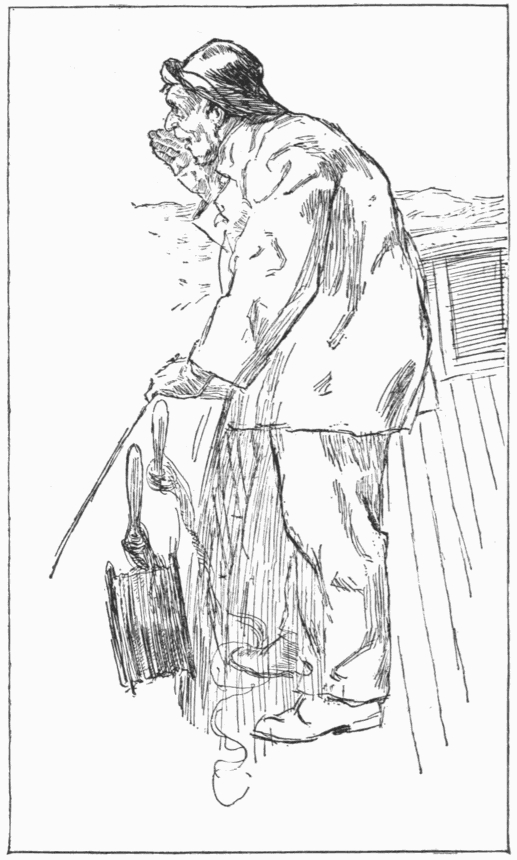
The Spray, heading east, stretched along the coast among many islands and over a tranquil sea. At evening of this day, May 10, she came up with a considerable island, which I shall always think of as the Island of Frogs, for the Spray was charmed by a million voices. From the Island of Frogs we made for the Island of Birds, called Gannet Island, and sometimes Gannet Rock, whereon is a bright, intermittent light, which flashed fitfully across the Spray's deck as she coasted along under its light and shade. Thence shaping a course for Briar's Island, I came among vessels the following afternoon on the western fishing-grounds, and after speaking a fisherman at anchor, who gave me a wrong course, the Spray sailed directly over the southwest ledge through the worst tide-race in the Bay of Fundy, and got into Westport harbor in Nova Scotia, where I had spent eight years of my life as a lad.
The Spray sailed east along the coast, among many islands and over a calm sea. That evening, May 10, she reached a large island. I shall always think of it as the Island of Frogs, for a million voices charmed the Spray. From the Island of Frogs we sailed toward the Island of Birds, called Gannet Island and sometimes Gannet Rock. A bright light flashed intermittently on the island. It flickered across the Spray's deck as she sailed along, passing through its light and shadow. From there I set a course for Briar's Island. The following afternoon, I came among vessels on the western fishing grounds and spoke to a fisherman at anchor. He gave me the wrong course, and the Spray sailed directly over the southwest ledge, through the worst tide-race in the Bay of Fundy. She reached Westport harbor in Nova Scotia, where I had spent eight years of my life as a boy.
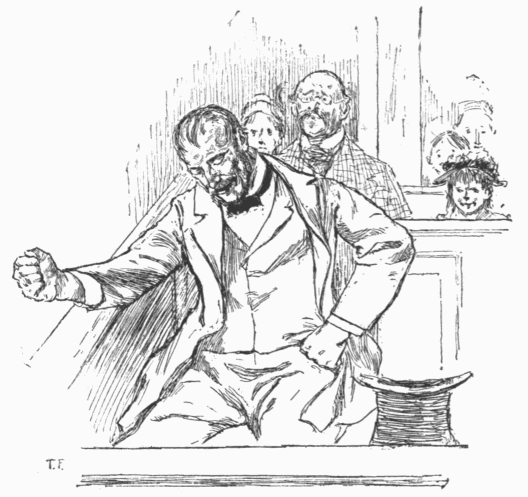
The fisherman may have said "east-southeast," the course I was steering when I hailed him; but I thought he said "east-northeast," and I accordingly changed it to that. Before he made up his mind to answer me at all, he improved the occasion of his own curiosity to know where I was from, and if I was alone, and if I didn't have "no dorg nor no cat." It was the first time in all my life at sea that I had heard a hail for information answered by a question. I think the chap belonged to the Foreign Islands. There was one thing I was sure of, and that was that he did not belong to Briar's Island, because he dodged a sea that slopped over the rail, and stopping to brush the water from his face, lost a fine cod which he was about to ship. My islander would not have done that. It is known that a Briar Islander, fish or no fish on his hook, never flinches from a sea. He just tends to his lines and hauls or "saws." Nay, have I not seen my old friend Deacon W. D—-, a good man of the island, while listening to a sermon in the little church on the hill, reach out his hand over the door of his pew and "jig" imaginary squid in the aisle, to the intense delight of the young people, who did not realize that to catch good fish one must have good bait, the thing most on the deacon's mind.
The fisherman may have said "east-southeast," the course I was steering when I called to him. But I thought he said "east-northeast," so I changed course. Before he decided to answer me at all, he took the chance to satisfy his own curiosity. He asked where I was from, whether I was alone, and whether I had "no dorg nor no cat." In all my life at sea, I had never heard a request for information answered with a question. I think the fellow came from the Foreign Islands. But I was sure of one thing: he did not come from Briar's Island. He ducked when a wave splashed over the rail, then stopped to wipe his face. In doing so, he lost a fine cod he was about to bring aboard. My islander would not have done that. Everyone knows that a Briar Islander never flinches from a wave, whether or not he has a fish on his hook. He just tends his lines and hauls or "saws." I have even seen my old friend Deacon W. D—-, a good man of the island, listening to a sermon. In the little church on the hill, he reached over the door of his pew and "jigged" for imaginary squid in the aisle. The young people were delighted. They did not realize that catching good fish requires good bait, and good bait was uppermost in the deacon's mind.
I was delighted to reach Westport. Any port at all would have been delightful after the terrible thrashing I got in the fierce sou'west rip, and to find myself among old schoolmates now was charming. It was the 13th of the month, and 13 is my lucky number—a fact registered long before Dr. Nansen sailed in search of the north pole with his crew of thirteen. Perhaps he had heard of my success in taking a most extraordinary ship successfully to Brazil with that number of crew. The very stones on Briar's Island I was glad to see again, and I knew them all. The little shop round the corner, which for thirty-five years I had not seen, was the same, except that it looked a deal smaller. It wore the same shingles—I was sure of it; for did not I know the roof where we boys, night after night, hunted for the skin of a black cat, to be taken on a dark night, to make a plaster for a poor lame man? Lowry the tailor lived there when boys were boys. In his day he was fond of the gun. He always carried his powder loose in the tail pocket of his coat. He usually had in his mouth a short dudeen; but in an evil moment he put the dudeen, lighted, in the pocket among the powder. Mr. Lowry was an eccentric man.
I was delighted to reach Westport. Any port would have been a delight after the terrible beating I took in the fierce southwest rip. And it was charming to find myself among old schoolmates. It was the 13th of the month, and 13 is my lucky number. That was established long before Dr. Nansen sailed in search of the north pole with his crew of thirteen. Perhaps he had heard of my success in taking a most extraordinary ship to Brazil with that number of crew. I was glad to see even the stones on Briar's Island again, and I knew them all. The little shop around the corner was the same as it had been thirty-five years earlier, except it looked much smaller. I was sure it had the same shingles. After all, I knew that roof. Night after night, we boys had hunted there for a black cat's skin. The skin had to be taken on a dark night to make a plaster for a poor lame man. Lowry the tailor lived there when boys were boys. In his day, he was fond of hunting with a gun. He always carried loose gunpowder in his coat's tail pocket. He usually had a short dudeen, or clay pipe, in his mouth. But in an unfortunate moment, he put the lit dudeen in the pocket among the powder. Mr. Lowry was an eccentric man.
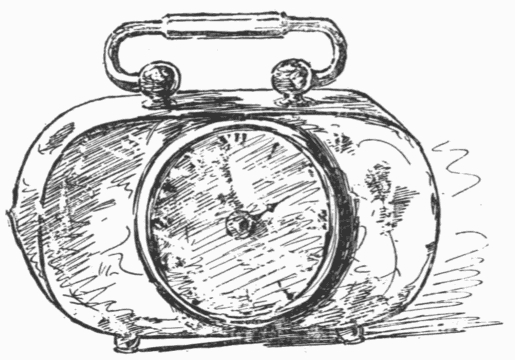
At Briar's Island I overhauled the Spray once more and tried her seams, but found that even the test of the sou'west rip had started nothing. Bad weather and much head wind prevailing outside, I was in no hurry to round Cape Sable. I made a short excursion with some friends to St. Mary's Bay, an old cruising-ground, and back to the island. Then I sailed, putting into Yarmouth the following day on account of fog and head wind. I spent some days pleasantly enough in Yarmouth, took in some butter for the voyage, also a barrel of potatoes, filled six barrels of water, and stowed all under deck. At Yarmouth, too, I got my famous tin clock, the only timepiece I carried on the whole voyage. The price of it was a dollar and a half, but on account of the face being smashed the merchant let me have it for a dollar.
At Briar's Island I inspected the Spray once more and checked her seams. I found that even the test of the sou'west rip had loosened nothing. Bad weather and strong headwinds prevailed outside, so I was in no hurry to round Cape Sable. I took a short trip with some friends to St. Mary's Bay, an old cruising ground, and back to the island. Then I sailed, putting into Yarmouth the following day because of fog and a headwind. I spent some pleasant days in Yarmouth. I took on some butter for the voyage and a barrel of potatoes, filled six barrels with water, and stowed everything below deck. At Yarmouth I also got my famous tin clock, the only timepiece I carried on the whole voyage. The price was a dollar and a half, but the merchant let me have it for a dollar because its face was smashed.