Chapter 39
One Steady Goal
Life is an arrow—therefore you must know What mark to aim at, how to use the bow— Then draw it to the head and let it go. HENRY VAN DYKE.
Life is an arrow, so you must know What target to aim at and how to use the bow. Then pull the bowstring all the way back and let the arrow go. HENRY VAN DYKE.
The important thing in life is to have a great aim, and to possess the aptitude and perseverance to attain it.—GOETHE.
The important thing in life is to have a great goal and the ability and determination to achieve it. GOETHE.
"A double-minded man is unstable in all his ways."
"A person who cannot make up their mind is unstable in everything they do."
Let every one ascertain his special business and calling, and then stick to it if he would be successful.—FRANKLIN.
Everyone should find their own work and calling, then stick to it if they want to succeed. FRANKLIN.
"Why do you lead such a solitary life?" asked a friend of Michael Angelo. "Art is a jealous mistress," replied the artist; "she requires the whole man." During his labors at the Sistine Chapel, according to Disraeli, he refused to meet any one, even at his own house.
"Why do you live such a solitary life?" a friend asked Michael Angelo. "Art is a jealous mistress," the artist replied. "She requires the whole person." According to Disraeli, while working at the Sistine Chapel, he refused to meet anyone, even at his own house.
"This day we sailed westward, which was our course," were the simple but grand words which Columbus wrote in his journal day after day. Hope might rise and fall, terror and dismay might seize upon the crew at the mysterious variations of the compass, but Columbus, unappalled, pushed due west and nightly added to his record the above words.
“Today we sailed west, as planned,” Columbus wrote in his journal day after day. The words were simple but grand. Hope might rise and fall, and the compass’s mysterious changes might fill the crew with terror and dismay. But Columbus pressed west without fear, adding the same words to his journal each night.
"Cut an inch deeper," said a member of the Old Guard to the surgeon probing his wound, "and you will find the Emperor,"—meaning his heart. By the marvelous power of concentrated purpose Napoleon had left his name on the very stones of the capital, had burned it indelibly into the heart of every Frenchman, and had left it written in living letters all over Europe. France to-day has not shaken off the spell of that name. In the fair city on the Seine the mystic "N" confronts you everywhere.
"Cut an inch deeper," a member of the Old Guard told the surgeon probing his wound, "and you will find the Emperor." He meant his heart. Through the remarkable power of focused purpose, Napoleon had left his name on the very stones of the capital. He had burned it permanently into the heart of every Frenchman and left it written in living letters across Europe. Even today, France has not shaken off the spell of that name. In the beautiful city on the Seine, you see the mysterious "N" everywhere.
Oh, the power of a great purpose to work miracles! It has changed the face of the world. Napoleon knew that there were plenty of great men in France, but they did not know the might of the unwavering aim by which he was changing the destinies of Europe. He saw that what was called the "balance of power" was only an idle dream; that, unless some master-mind could be found which was a match for events, the millions would rule in anarchy. His iron will grasped the situation; and like William Pitt, he did not loiter around balancing the probabilities of failure or success, or dally with his purpose. There was no turning to the right nor to the left; no dreaming away time, nor building air-castles; but one look and purpose, forward, upward and onward, straight to his goal. His great success in war was due largely to his definiteness of aim. He always hit the bull's-eye. He was like a great burning-glass, concentrating the rays of the sun upon a single spot; he burned a hole wherever he went. After finding the weak place in the enemy's ranks, he would mass his men and hurl them like an avalanche upon the critical point, crowding volley upon volley, charge upon charge, till he made a breach. What a lesson of the power concentration there is in this man's life!
Oh, the power of a great purpose to work miracles! It has changed the face of the world. Napoleon knew there were plenty of great men in France. But they did not know the power of the unwavering aim with which he was changing Europe’s destiny. He saw that what was called the "balance of power" was only an idle dream. He saw that the millions would rule in anarchy unless a mastermind could be found who could meet events as they came. His iron will took hold of the situation. Like William Pitt, he did not waste time weighing the chances of failure or success, or hesitate in pursuing his purpose. He never turned to the right or left, dreamed away his time, or built castles in the air. He had one vision and purpose: forward, upward, and onward, straight to his goal. His great success in war was due largely to his clear aim. He always hit the bull’s-eye. He was like a great magnifying glass, concentrating the sun’s rays on a single spot. He burned a hole wherever he went. After finding the weak place in the enemy’s ranks, he would gather his men and hurl them like an avalanche at that critical point. He pressed volley upon volley and charge upon charge until he broke through. What a lesson in the power of concentration this man’s life offers!
To succeed to-day a man must concentrate all the faculties of his mind upon one unwavering aim, and have a tenacity of purpose which means death or victory. Every other inclination which tempts him from his aim must be suppressed.
To succeed today, a man must focus all his mental powers on one unwavering goal. He must pursue it with a determination that accepts nothing but death or victory. He must suppress every other desire that tempts him away from his goal.
A man may starve on a dozen half-learned trades or occupations; he may grow rich and famous upon one trade thoroughly mastered, even though it be the humblest.
A man may starve trying to make a living from a dozen trades he has only half learned. But he may become rich and famous by thoroughly mastering one trade, even the humblest.
Even Gladstone, with his ponderous yet active brain, said he could not do two things at once; he threw his entire strength upon whatever he did. The intensest energy characterized everything he undertook, even his recreation. If such concentration of energy is necessary for the success of a Gladstone, what can we common mortals hope to accomplish by "scatteration"?
Even Gladstone, with his powerful yet active mind, said he could not do two things at once. He put all his strength into whatever he did. He brought intense energy to everything he undertook, even his recreation. If such concentrated energy is necessary for a Gladstone to succeed, what can we ordinary people hope to accomplish by "scatteration"?
All great men have been noted for their power of concentration which makes them oblivious of everything outside their aim. Victor Hugo wrote his "Notre Dame" during the revolution of 1830, while the bullets were whistling across his garden. He shut himself up in one room, locking his clothes up in another, lest they should tempt him to go out into the street, and spent most of that winter wrapped in a big gray comforter, pouring his very life into his work.
All great men have been known for their power of concentration. It makes them unaware of everything outside their goal. Victor Hugo wrote "Notre Dame" during the revolution of 1830, while bullets whistled across his garden. He shut himself in one room and locked his clothes in another, so they would not tempt him to go outside. He spent most of that winter wrapped in a big gray blanket, pouring his very life into his work.
Abraham Lincoln possessed such power of concentration that he could repeat quite correctly a sermon to which he had listened in his boyhood.
Abraham Lincoln could concentrate so well that he could repeat a sermon he had heard as a boy quite accurately.
A New York sportsman, in answer to an advertisement, sent twenty-five cents for a sure receipt to prevent a shotgun from scattering, and received the following: "Dear Sir: To keep a gun from scattering put in but a single shot."
A New York sportsman answered an advertisement and sent twenty-five cents for a guaranteed way to prevent a shotgun from scattering its shot. He received this reply: "Dear Sir: To keep a gun from scattering, load it with only a single shot."
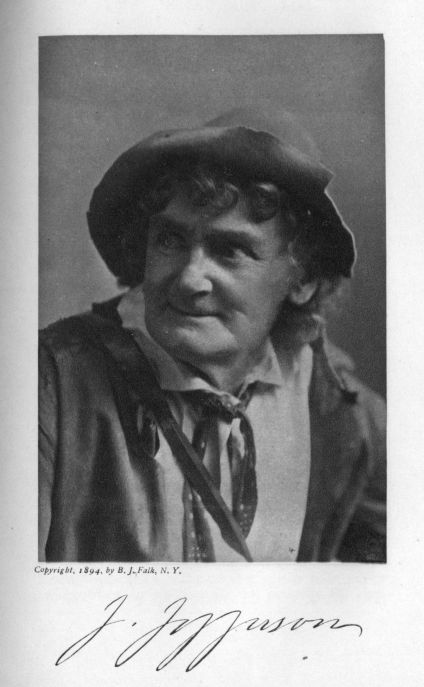
It is the men who do one thing in this world who come to the front. Who is the favorite actor? It is a Jefferson, who devotes a lifetime to a "Rip Van Winkle," a Booth, an Irving, a Kean, who plays one character until he can play it better than any other man living, and not the shallow players who impersonate all parts. The great man is the one who never steps outside of his specialty or dissipates his individuality. It is an Edison, a Morse, a Bell, a Howe, a Stephenson, a Watt. It is an Adam Smith, spending ten years on the "Wealth of Nations." It is a Gibbon, giving twenty years to his "Decline and Fall of the Roman Empire." It is a Hume, writing thirteen hours a day on his "History of England." It is a Webster, spending thirty-six years on his dictionary. It is a Bancroft, working twenty-six years on his "History of the United States." It is a Field, crossing the ocean fifty times to lay a cable, while the world ridicules. It is a Newton, writing his "Chronology of Ancient Nations" sixteen times.
The men who focus on one thing are the ones who rise to the top. Who is the favorite actor? It is a Jefferson, who devotes a lifetime to "Rip Van Winkle." It is a Booth, an Irving, or a Kean, who plays one character until he can play it better than any other living man. It is not the shallow players who take on every role. The great man never strays outside his specialty or spreads his individuality too thin. It is an Edison, a Morse, a Bell, a Howe, a Stephenson, or a Watt. It is an Adam Smith, spending ten years on "Wealth of Nations." It is a Gibbon, giving twenty years to "Decline and Fall of the Roman Empire." It is a Hume, writing "History of England" for thirteen hours a day. It is a Webster, spending thirty-six years on his dictionary. It is a Bancroft, working twenty-six years on "History of the United States." It is a Field, crossing the ocean fifty times to lay a cable while the world laughs at him. It is a Newton, writing "Chronology of Ancient Nations" sixteen times.
A one-talent man who decides upon a definite object accomplishes more than a ten-talent man who scatters his energies and never knows exactly what he will do. The weakest living creature, by concentrating his powers upon one thing, can accomplish something; the strongest, by dispersing his over many, may fail to accomplish anything.
A man with one talent and a clear goal accomplishes more than a man with ten talents who spreads his energy too thin and never knows exactly what he will do. Even the weakest creature can accomplish something by focusing its powers on one thing. But the strongest may accomplish nothing by spreading its powers across many things.
A great purpose is cumulative; and, like a great magnet, it attracts all that is kindred along the stream of life.
A great purpose grows over time. Like a powerful magnet, it attracts everything related to it along the stream of life.
A Yankee can splice a rope in many different ways; an English sailor only knows one way, but that is the best one. It is the one-sided man, the sharp-eyed man, the man of single and intense purpose, the man of one idea, who cuts his way through obstacles and forges to the front. The time has gone forever when a Bacon can span universal knowledge; or when, absorbing all the knowledge of the times, a Dante can sustain arguments against fourteen disputants in the University of Paris, and conquer in them all. The day when a man can successfully drive a dozen callings abreast is a thing of the past. Concentration is the keynote of the century.
A Yankee can splice a rope in many different ways. An English sailor knows only one way, but it is the best one. The one-sided man, the sharp-eyed man, the man with a single, intense purpose, the man with one idea, is the one who cuts through obstacles and pushes to the front. The time has passed forever when someone like Bacon could master all knowledge. Gone, too, are the days when someone like Dante could absorb all the knowledge of his time. Dante could then argue against fourteen opponents at the University of Paris and defeat them all. The days when a man could successfully pursue a dozen occupations at once are past. Concentration is the keynote of the century.
Scientists estimate that there is energy enough in less than fifty acres of sunshine to run all the machinery in the world, if it could be concentrated. But the sun might blaze out upon the earth forever without setting anything on fire; although these rays focused by a burning-glass would melt solid granite, or even change a diamond into vapor. There are plenty of men who have ability enough; the rays of their faculties, taken separately, are all right, but they are powerless to collect them, to bring them all to bear upon a single spot. Versatile men, universal geniuses, are usually weak, because they have no power to concentrate their talents upon one point, and this makes all the difference between success and failure.
Scientists estimate that the sunshine falling on less than fifty acres contains enough energy to run all the machinery in the world, if it could be concentrated. But the sun could shine on the earth forever without setting anything on fire. Yet those same rays, focused through a magnifying glass, could melt solid granite or even turn a diamond into vapor. Plenty of men have enough ability. Each of their talents is sound on its own, but they cannot bring all their talents together and focus them on a single point. Versatile men and all-around geniuses are usually weak because they cannot concentrate their talents on one point. This ability to concentrate makes all the difference between success and failure.
Chiseled upon the tomb of a disappointed, heart-broken king, Joseph II. of Austria, in the Royal Cemetery at Vienna, a traveler tells us, is this epitaph: "Here lies a monarch who, with the best of intentions, never carried out a single plan."
A traveler tells us about the tomb of Joseph II of Austria, a disappointed, heartbroken king. It stands in the Royal Cemetery at Vienna and bears this epitaph: "Here lies a monarch who, with the best of intentions, never carried out a single plan."
Sir James Mackintosh was a man of remarkable ability. He excited in every one who knew him the greatest expectations. Many watched his career with much interest, expecting that he would dazzle the world; but there was no purpose in his life. He had intermittent attacks of enthusiasm for doing great things, but his zeal all evaporated before he could decide what to do. This fatal defect in his character kept him balancing between conflicting motives; and his whole life was almost thrown away. He lacked power to choose one object and persevere with a single aim, sacrificing every interfering inclination. He, for instance, vacillated for weeks trying to determine whether to use "usefulness" or "utility" in a composition.
Sir James Mackintosh was a man of remarkable ability. Everyone who knew him had great expectations of him. Many followed his career with interest, expecting him to dazzle the world. But his life had no purpose. From time to time, he became enthusiastic about doing great things. But his enthusiasm faded before he could decide what to do. This fatal flaw kept him wavering between conflicting motives, and he almost wasted his whole life. He could not choose one goal and pursue it steadily, giving up every desire that got in the way. For example, he spent weeks trying to decide whether to use "usefulness" or "utility" in a piece of writing.
One talent utilized in a single direction will do infinitely more than ten talents scattered. A thimbleful of powder behind a ball in a rifle will do more execution than a carload of powder unconfined. The rifle-barrel is the purpose that gives direct aim to the powder, which otherwise, no matter how good it might be, would be powerless. The poorest scholar in school or college often, in practical life, far outstrips the class leader or senior wrangler, simply because what little ability he has he employs for a definite object, while the other, depending upon his general ability and brilliant prospects, never concentrates his powers.
One talent focused in a single direction will accomplish infinitely more than ten talents spread across different pursuits. A thimbleful of gunpowder behind a bullet in a rifle will do more damage than a carload of loose gunpowder. The rifle barrel is the purpose that gives the powder a direct aim. Without it, the powder would be powerless, no matter how good it was. The poorest student in school or college often goes much further in practical life than the top student or mathematics champion. That is simply because the poorer student uses what little ability he has for a definite goal. The top student, meanwhile, relies on his general ability and brilliant prospects and never concentrates his powers.
It is fashionable to ridicule the man of one idea, but the men who have changed the front of the world have been men of a single aim. No man can make his mark on this age of specialties who is not a man of one idea, one supreme air, one master passion. The man who would make himself felt on this bustling planet, who would make a breach in the compact conservatism of our civilization, must play all his guns on one point. A wavering aim, a faltering purpose, has no place in the twentieth century. "Mental shiftlessness" is the cause of many a failure. The world is full of unsuccessful men who spend their lives letting empty buckets down into empty wells.
It is common to ridicule a person with only one idea. But the people who have transformed the world have had a single aim. In this age of specialties, no one can make a mark without one idea, one supreme aim, one master passion. Anyone who wants to make an impact on this bustling planet must focus all their fire on one point. That is how they can break through the firm conservatism of our civilization. A wavering aim or a faltering purpose has no place in the twentieth century. "Mental shiftlessness" causes many failures. The world is full of unsuccessful people who spend their lives lowering empty buckets into empty wells.
"Mr. A. often laughs at me," said a young American chemist, "because I have but one idea. He talks about everything, aims to excel in many things; but I have learned that, if I ever wish to make a breach, I must play my guns continually upon one point." This great chemist, when an obscure schoolmaster, used to study by the light of a pine knot in a log cabin. Not many years later he was performing experiments in electro-magnetism before English earls, and subsequently he was at the head of one of the largest scientific institutes of this country. He was the late Professor Henry, of the Smithsonian Institution, Washington.
"Mr. A. often laughs at me," said a young American chemist, "because I have only one idea. He talks about everything and aims to excel in many things. But I have learned that if I ever want to break through, I must keep firing my guns at one point." When this great chemist was an unknown schoolteacher, he studied by the light of a burning pine knot in a log cabin. Not many years later, he was conducting experiments in electromagnetism before English earls. Later, he headed one of the largest scientific institutes in this country. He was the late Professor Henry of the Smithsonian Institution, Washington.
We should guard against a talent which we can not hope to practise in perfection, says Goethe. Improve it as we may, we shall always, in the end, when the merit of the matter has become apparent to us, painfully lament the loss of time and strength devoted to such botching. An old proverb says: "The master of one trade will support a wife and seven children, and the master of seven will not support himself."
Goethe says we should be wary of a talent we cannot hope to perfect. No matter how much we improve it, we will eventually recognize what true excellence requires. Then we will painfully regret the time and energy we spent on such bungling. An old proverb says: "The master of one trade will support a wife and seven children, and the master of seven will not support himself."
It is the single aim that wins. Men with monopolizing ambitions rarely live in history. They do not focus their powers long enough to burn their names indelibly into the roll of honor. Edward Everett, even with his magnificent powers, disappointed the expectations of his friends. He spread himself over the whole field of knowledge and elegant culture; but the mention of the name of Everett does not call up any one great achievement as does that of names like Garrison and Phillips. Voltaire called the Frenchman La Harpe an oven which was always heating, but which never cooked anything. Hartley Coleridge was splendidly endowed with talent, but there was one fatal lack in his character—he had no definite purpose, and his life was a failure. Unstable as water, he could not excel. Southey, the uncle of Coleridge, says of him: "Coleridge has two left hands." He was so morbidly shy from living alone in his dreamland that he could not open a letter without trembling. He would often rally from his purposeless life, and resolve to redeem himself from the oblivion he saw staring him in the face; but, like Sir James Mackintosh, he remained a man of promise merely to the end of his life.
It is a single aim that wins. Men who try to achieve everything are rarely remembered in history. They do not focus their powers long enough to secure a lasting place on the roll of honor. Despite his magnificent abilities, Edward Everett disappointed his friends’ expectations. He spread his efforts across the whole field of knowledge and refined culture. But unlike the names Garrison and Phillips, Everett’s name does not bring any one great achievement to mind. Voltaire called the Frenchman La Harpe an oven that was always heating but never cooked anything. Hartley Coleridge was richly gifted, but he had one fatal flaw: he had no definite purpose. His life was a failure. Unstable as water, he could not excel. Southey, Coleridge’s uncle, said of him: "Coleridge has two left hands." He had lived alone in his dream world for so long that he became painfully shy. He could not open a letter without trembling. He often tried to turn his aimless life around. He resolved to save himself from the oblivion he saw staring him in the face. But like Sir James Mackintosh, he remained a man of promise and nothing more until the end of his life.
The man who succeeds has a program. He fires his course and adheres to it. He lays his plans and executes them. He goes straight to his goal. He is not pushed this way and that every time a difficulty is thrown in his path; if he can not get over it he goes through it. Constant and steady use of the faculties under a central purpose gives strength and power, while the use of faculties without an aim or end only weakens them. The mind must be focused on a definite end, or, like machinery without a balance-wheel, it will rack itself to pieces.
The man who succeeds has a plan. He sets his course and sticks to it. He makes plans and carries them out. He goes straight to his goal. He is not pushed in different directions every time a difficulty stands in his way. If he cannot get over it, he goes through it. Using his abilities constantly and steadily toward a central purpose gives him strength and power. But using his abilities without a goal only weakens them. The mind must focus on a definite goal. Otherwise, like a machine without a balance wheel, it will shake itself to pieces.
This age of concentration calls, not for educated men merely, not for talented men, not for geniuses, not for jacks-of-all-trades, but for men who are trained to do one thing as well as it can be done. Napoleon could go through the drill of his soldiers better than any one of his men.
This age of specialization calls for more than educated or talented men, geniuses, or jacks-of-all-trades. It calls for men trained to do one thing as well as it can be done. Napoleon could perform his soldiers’ drills better than any of his men.
Stick to your aim. The constant changing of one's occupation is fatal to all success. After a young man has spent five or six years in a dry goods store, he concludes that he would rather sell groceries, thereby throwing away five years of valuable experience which will be of very little use to him in the grocery business; and so he spends a large part of his life drifting around from one kind of employment to another, learning part of each but all of none, forgetting that experience is worth more to him than money and that the years devoted to learning his trade or occupation are the most valuable. Half-learned trades, no matter if a man has twenty, will never give him a good living, much less a competency, while wealth is absolutely out of the question.
Stick to your aim. Constantly changing jobs is fatal to all success. A young man spends five or six years working in a dry goods store. Then he decides he would rather sell groceries. In doing so, he throws away five years of valuable experience that will be of little use in the grocery business. He spends much of his life drifting from one kind of work to another. He learns part of each trade but masters none. He forgets that experience is worth more to him than money. He also forgets that the years spent learning his trade or occupation are the most valuable. Half-learned trades will never provide a good living, even if a man knows twenty of them. They will not provide a comfortable income, much less wealth.
How many young men fail to reach the point of efficiency in one line of work before they get discouraged and venture into something else! How easy to see the thorns in one's own profession or vocation, and only the roses in that of another! A young man in business, for instance, seeing a physician riding about town in his carriage, visiting his patients, imagines that a doctor must have an easy, ideal life, and wonders that he himself should have embarked in an occupation so full of disagreeable drudgery and hardships. He does not know of the years of dry, tedious study which the physician has consumed, the months and perhaps years of waiting for patients, the dry detail of anatomy, the endless names of drugs and technical terms.
How many young men become discouraged and try something else before they become skilled in one line of work! How easy it is to see the thorns in your own profession and only the roses in someone else's! For example, a young man in business sees a doctor riding around town in his carriage, visiting patients. He imagines that a doctor must lead an easy, ideal life. He wonders why he chose an occupation so full of unpleasant drudgery and hardship. He does not know about the years the doctor spent in dull, tedious study. He does not know about the months, perhaps years, spent waiting for patients. Nor does he know about the dull details of anatomy and the endless names of drugs and technical terms.
There is a sense of great power in a vocation after a man has reached the point of efficiency in it, the point of productiveness, the point where his skill begins to tell and brings in returns. Up to this point of efficiency, while he is learning his trade, the time seems to have been almost thrown away. But he has been storing up a vast reserve of knowledge of detail, laying foundations, forming his acquaintances, gaining his reputation for truthfulness, trustworthiness, and integrity, and in establishing his credit. When he reaches this point of efficiency, all the knowledge and skill, character, influence, and credit thus gained come to his aid, and he soon finds that in what seemed almost thrown away lies the secret of his prosperity. The credit he established as a clerk, the confidence, the integrity, the friendships formed, he finds equal to a large capital when he starts out for himself and takes the highway to fortune; while the young man who half learned several trades, got discouraged and stopped just short of the point of efficiency, just this side of success, is a failure because he didn't go far enough; he did not press on to the point at which his acquisition would have been profitable.
A man feels a great sense of power in his work once he becomes efficient and productive. His skill begins to make a difference and bring rewards. Until he reaches that point, the time he spends learning his trade seems almost wasted. But he has been building a vast store of detailed knowledge and laying foundations. He has been making connections, earning a reputation for honesty, reliability, and integrity, and establishing credit. Once he becomes efficient, all the knowledge, skill, character, influence, and credit he has gained come to his aid. He soon finds that the secret of his prosperity lies in what seemed almost wasted. When he starts his own business and sets out on the road to fortune, he discovers something else. The credit he established as a clerk, the confidence he earned, his integrity, and his friendships are worth as much as a large sum of money. But a young man who half learned several trades, became discouraged, and stopped just short of efficiency has failed. He stopped just short of success because he did not go far enough. He did not press on to the point where what he had learned would have brought a return.
In spite of the fact that nearly all very successful men have made a life-work of one thing, we see on every hand hundreds of young men and women flitting about from occupation to occupation, trade to trade, in one thing to-day and another to-morrow,—just as though they could go from one thing to another by turning a switch, as though they could run as well on another track as on the one they have left, regardless of the fact that no two careers have the same gage, that every man builds his own road upon which another man's engine can not run either with speed or safety. This fickleness, this disposition to shift about from one occupation to another, seems to be peculiar to American life, so much so that, when a young man meets a friend whom he has not seen for some time, the commonest question to ask is, "What are you doing now?" showing the improbability or uncertainty that he is doing to-day what he was doing when they last met.
Nearly all very successful men have devoted their lives to one thing. Yet everywhere we see hundreds of young men and women flitting from one occupation or trade to another. They do one thing today and another tomorrow. They act as though they could change careers by flipping a switch. They seem to think they can run as well on a new track as on the one they left. They ignore the fact that no two careers have the same track gauge. Each man builds his own railroad, and another man's engine cannot run on it with speed or safety. This tendency to change occupations seems to be especially common in American life. When a young man meets a friend he has not seen for some time, the most common question is, "What are you doing now?" The question shows how unlikely or uncertain it is that his friend is doing what he did when they last met.
Some people think that if they "keep everlastingly at it" they will succeed, but this is not always so. Working without a plan is as foolish as going to sea without a compass.
Some people think that if they "keep at it," they will succeed. But that is not always true. Working without a plan is as foolish as going to sea without a compass.
A ship which has broken its rudder in mid-ocean may "keep everlastingly at it," may keep on a full head of steam, driving about all the time, but it never arrives anywhere, it never reaches any port unless by accident; and if it does find a haven, its cargo may not be suited to the people, the climate, or conditions. The ship must be directed to a definite port, for which its cargo is adapted, and where there is a demand for it, and it must aim steadily for that port through sunshine and storm, through tempest and fog. So a man who would succeed must not drift about rudderless on the ocean of life. He must not only steer straight toward his destined port when the ocean is smooth, when the currents and winds serve, but he must keep his course in the very teeth of the wind and the tempest, and even when enveloped in the fogs of disappointment and mists of opposition. Atlantic liners do not stop for fogs or storms; they plow straight through the rough seas with only one thing in view, their destined port, and no matter what the weather is, no matter what obstacles they encounter, their arrival in port can be predicted to within a few hours.
A ship that has broken its rudder in mid-ocean may "keep everlastingly at it." It may keep moving at full steam, driving around all the time. But it never gets anywhere or reaches a port unless by accident. Even if it finds a harbor, its cargo may not suit the people, climate, or conditions there. The ship must be directed to a specific port where its cargo is suited to the conditions and in demand. It must head steadily for that port through sunshine and storms, through tempests and fog. In the same way, a man who wants to succeed must not drift without a rudder on the ocean of life. He must steer straight toward his intended port when the ocean is smooth and the currents and winds are favorable. But he must also hold his course against the full force of wind and storm, even when surrounded by the fog of disappointment and the mist of opposition. Atlantic liners do not stop for fog or storms. They plow straight through rough seas with only one thing in view, their intended port. No matter the weather or the obstacles they encounter, their arrival can be predicted within a few hours.
On the prairies of South America there grows a flower that always inclines in the same direction. If a traveler loses his way and has neither compass nor chart, by turning to this flower he will find a guide on which he can implicitly rely; for no matter how the rains descend or the winds blow, its leaves point to the north. So there are many men whose purposes are so well known, whose aims are so constant, that no matter what difficulties they may encounter, or what opposition they may meet, you can tell almost to a certainty where they will come out. They may be delayed by head winds and counter currents, but they will always head for the port and will steer straight towards the harbor. You know to a certainty that whatever else they may lose, they will not lose their compass or rudder.
On the prairies of South America, a flower grows that always leans in the same direction. If a traveler gets lost without a compass or map, this flower is a completely reliable guide. No matter how the rain falls or the wind blows, its leaves point north. In the same way, many men have purposes and aims that are both well known and constant. No matter what difficulties or opposition they face, you can predict almost certainly where they will end up. Headwinds and opposing currents may delay them, but they will always head for the port and steer straight toward the harbor. You can be certain that whatever else they lose, they will not lose their compass or rudder.
Whatever may happen to a man of this stamp, even though his sails may be swept away and his mast stripped to the deck, though he may be wrecked by the storms of life, the needle of his compass will still point to the North Star of his hope. Whatever comes, his life will not be purposeless. Even a wreck that makes its port is a greater success than a full-rigged ship with all its sails flying, with every mast and every rope intact, which merely drifts along into an accidental harbor.
Whatever happens to a man like this, his compass will still point to the North Star of his hope. His sails may be swept away, his mast stripped to the deck, and his ship wrecked by life's storms. Even so, whatever comes, his life will not be without purpose. A wrecked ship that reaches its port is more successful than a fully rigged ship that merely drifts into a harbor by chance. The drifting ship may have all its sails flying, with every mast and rope intact.
To fix a wandering life and give it direction is not an easy task, but a life which has no definite aim is sure to be frittered away in empty and purposeless dreams. "Listless triflers," "busy idlers," "purposeless busy-bodies," are seen everywhere. A healthy, definite purpose is a remedy for a thousand ills which attend aimless lives. Discontent and dissatisfaction flee before a definite purpose. What we do begrudgingly without a purpose becomes a delight with one, and no work is well done nor healthily done which is not enthusiastically done.
Giving direction to a wandering life is not easy. But a life without a clear aim is sure to be wasted on empty, pointless dreams. Everywhere we see “listless time-wasters,” “busy idlers,” and “pointlessly busy people.” A healthy, clear purpose is a remedy for a thousand troubles that come with an aimless life. Discontent and dissatisfaction disappear when we have a clear purpose. Work we do grudgingly without a purpose becomes a pleasure when we have one. No work is done well or in a healthy way unless it is done enthusiastically.
Mere energy is not enough; it must be concentrated on some steady, unwavering aim. What is more common than "unsuccessful geniuses," or failures with "commanding talents"? Indeed, the term "unrewarded genius" has become a proverb. Every town has unsuccessful educated and talented men. But education is of no value, talent is worthless, unless it can do something, achieve something. Men who can do something at everything and a very little at anything are not wanted in this age.
Energy alone is not enough. It must be focused on a steady, unwavering goal. What is more common than "unsuccessful geniuses," or failures with "commanding talents"? Indeed, "unrewarded genius" has become a common saying. Every town has educated and talented men who have failed. But education has no value and talent is worthless unless they can accomplish something. Men who can do a little of everything but not much of anything are not wanted in this age.
What this age wants is young men and women who can do one thing without losing their identity or individuality, or becoming narrow, cramped, or dwarfed. Nothing can take the place of an all-absorbing purpose; education can not, genius can not, talent can not, industry can not, will-power can not. The purposeless life must ever be a failure. What good are powers, faculties, unless we can use them for a purpose? What good would a chest of tools do a carpenter unless he could use them? A college education, a head full of knowledge, are worth little to the men who cannot use them to some definite end.
What this age needs is young men and women who can focus on one thing without losing their identity or individuality. They must do this without becoming narrow-minded, limited, or stunted. Nothing can replace a purpose that absorbs us completely. Education cannot, nor can genius, talent, hard work, or willpower. A life without purpose must always be a failure. What good are our abilities unless we can use them for a purpose? What good would a toolbox do a carpenter unless he could use the tools? A college education and a head full of knowledge are worth little to men who cannot use them toward a definite goal.
The man without a purpose never leaves his mark upon the world. He has no individuality; he is absorbed in the mass, lost in the crowd, weak, wavering, and incompetent.
A man without a purpose never leaves his mark on the world. He has no individuality. He blends into the masses and is lost in the crowd, weak, indecisive, and incapable.
"Consider, my lord," said Rowland Hill to the Prime Minister of England, "that a letter to Ireland and the answer back would cost thousands upon thousands of my affectionate countrymen more than a fifth of their week's wages. If you shut the post-office to them, which you do now, you shut out warm hearts and generous affections from home, kindred, and friends." The lad learned that it cost to carry a letter from London to Edinburgh, four hundred and four miles, one eighteenth of a cent, while the government charged for a simple folded sheet of paper twenty-eight cents, and twice as much if there was the smallest inclosure. Against the opposition and contempt of the post-office department he at length carried his point, and on January 10, 1840, penny postage was established throughout Great Britain. Mr. Hill was chosen to introduce the system, at a salary of fifteen hundred pounds a year. His success was most encouraging, but at the end of two years a Tory minister dismissed him without paying for his services, as agreed. The public was indignant, and at once contributed sixty-five thousand dollars; and, at the request of Queen Victoria, Parliament voted him one hundred thousand dollars cash, together with ten thousand dollars a year for life.
"Consider, my lord," Rowland Hill said to England's Prime Minister, "that a letter to Ireland and a reply would cost thousands upon thousands of my affectionate countrymen more than a fifth of their weekly wages. By shutting them out of the post office, as you do now, you shut warm hearts and generous affections away from home, family, and friends." The young Hill learned that carrying a letter 404 miles from London to Edinburgh cost one eighteenth of a cent. Yet the government charged twenty-eight cents for a single folded sheet of paper. If it contained even the smallest enclosure, the charge was twice as much. Despite opposition and contempt from the post office department, he finally prevailed. On January 10, 1840, penny postage was established throughout Great Britain. Mr. Hill was chosen to introduce the system at a salary of fifteen hundred pounds a year. His success was most encouraging. But after two years, a Tory minister dismissed him without paying him for his services as agreed. The public was outraged and immediately contributed sixty-five thousand dollars. At Queen Victoria's request, Parliament also voted him one hundred thousand dollars in cash and ten thousand dollars a year for life.
It is a great purpose which gives meaning to life; it unifies all our powers, binds them together in one cable and makes strong and united what was weak, separated, scattered.
A great purpose gives meaning to life. It brings all our powers together, binding them into one cable. It makes strong and united what was weak, separated, and scattered.
"Smatterers" are weak and superficial. Of what use is a man who knows a little of everything and not much of anything? It is the momentum of constantly repeated acts that tells the story. "Let thine eyes look straight before thee. Ponder the path of thy feet and let all thy ways be established. Turn not to the right hand nor to the left." One great secret of St. Paul's power lay in his strong purpose. Nothing could daunt, nothing intimidate him. The Roman Emperor could not muzzle him, the dungeon could not appall him, no prison suppress him, obstacles could not discourage him. "This one thing I do" was written all over his work. The quenchless zeal of his mighty purpose burned its way down through the centuries, and its contagion will never cease to fire the hearts of men.
"Dabblers" are weak and superficial. What use is a man who knows a little about everything but not much about anything? It is the momentum of constantly repeated actions that makes the difference. "Look straight ahead. Consider the path beneath your feet, and keep to it in all you do. Do not turn to the right or the left." One great secret of St. Paul's power was his strong sense of purpose. Nothing could daunt or intimidate him. The Roman Emperor could not silence him. Dungeons could not frighten him, and no prison could suppress him. Obstacles could not discourage him. "This one thing I do" was written all over his work. The tireless zeal of his mighty purpose has burned through the centuries. Its contagious fire will never cease to ignite the hearts of men.
"Try and come home somebody," said his mother to Gambetta as she sent him off to Paris to school. Poverty pinched this lad hard in his little garret study and his clothes were shabby, but what of that? He had made up his mind to get on in the world. For years he was chained to his desk and worked like a hero. At last his opportunity came. Jules Favre was to plead a great cause on a certain day; but, being ill, he chose this young man, absolutely unknown, rough and uncouth, to take his place. For many years Gambetta had been preparing for such an opportunity, and he was equal to it. He made one of the greatest speeches that up to that time had ever been made in France. That night all the papers in Paris were sounding the praises of this ragged, uncouth Bohemian, and soon all France recognized him as the Republican leader. This sudden rise was not due to luck or accident. He had been steadfastly working and fighting his way up against oppositions and poverty for just such an occasion. Had he not been equal to it, it would only have made him ridiculous. What a stride; yesterday, poor and unknown, living in a garret; today, deputy-elect, in the city of Marseilles, and the great Republican leader!
"Try to come home somebody," Gambetta's mother said as she sent him off to school in Paris. Poverty hit the boy hard in his small attic study, and his clothes were shabby. But what did that matter? He had made up his mind to get ahead in the world. For years he was chained to his desk and worked like a hero. At last his opportunity came. Jules Favre was scheduled to argue a major case in court, but he fell ill. He chose this young man to take his place, though Gambetta was completely unknown, rough, and unpolished. Gambetta had spent many years preparing for such an opportunity, and he rose to the challenge. He made one of the greatest speeches ever given in France up to that time. That night, all the Paris newspapers were praising this ragged, unpolished Bohemian. Soon all France recognized him as the Republican leader. This sudden rise was not due to luck or chance. He had been working steadily and fighting his way up against opposition and poverty, ready for just such an occasion. If he had not risen to the challenge, the opportunity would only have made him look ridiculous. What a leap forward! Yesterday he was poor and unknown, living in an attic. Today he was deputy-elect for the city of Marseilles and the great Republican leader!
When Louis Napoleon had been defeated at Sedan and had delivered his sword to William of Prussia, and when the Prussian army was marching on Paris, the brave Gambetta went out of the besieged city in a balloon barely grazed by the Prussian guns, landed in Amiens, and by almost superhuman skill raised three armies of 800,000 men, provided for their maintenance, and directed their military operations. A German officer said: "This colossal energy is the most remarkable event of modern history, and will carry down Gambetta's name to remote posterity." This youth who was poring over his books in an attic while other youths were promenading the Champs Elysées, although but thirty-two years old, was now virtually dictator of France, and the greatest orator in the Republic. What a striking example of the great reserve of personal power, which, even in dissolute lives, is sometimes called out by a great emergency or sudden sorrow, and ever after leads the life to victory! When Gambetta found that his first speech had electrified all France, his great reserve rushed to the front; he was suddenly weaned from dissipation, and resolved to make his mark in the world. Nor did he lose his head in his quick leap into fame. He still lived in the upper room in the musty Latin Quarter, and remained a poor man, without stain of dishonor, though he might easily have made himself a millionaire. When he died the "Figaro" said, "The Republic has lost its greatest man." American boys should study this great man, for he loved our country, and took our Republic as the pattern for France.
Louis Napoleon was defeated at Sedan and surrendered his sword to William of Prussia. As the Prussian army marched on Paris, the brave Gambetta escaped the besieged city in a balloon. It was barely grazed by Prussian gunfire. He landed in Amiens and, with almost superhuman skill, raised three armies totaling 800,000 men. He provided for their upkeep and directed their military operations. A German officer said: "This colossal energy is the most remarkable event of modern history, and will carry down Gambetta's name to remote posterity." While other young men had been strolling along the Champs Elysées, Gambetta had been studying his books in an attic. Now, although he was only thirty-two, he was virtually the dictator of France and the greatest orator in the Republic. What a striking example of the great reserve of personal power! Even in people who live dissolute lives, a great emergency or sudden sorrow sometimes calls that power into action. From then on, it leads their lives to victory. When Gambetta found that his first speech had electrified all France, his great reserve of power came to the front. He suddenly gave up his dissolute ways and resolved to make his mark in the world. Yet his rapid rise to fame did not go to his head. He still lived in an upper room in the musty Latin Quarter. He remained a poor man, with no stain of dishonor, although he could easily have made himself a millionaire. When he died, the "Figaro" said, "The Republic has lost its greatest man." American boys should study this great man, for he loved our country and used our Republic as the model for France.
There is no grander sight in the world than that of a young man fired with a great purpose, dominated by one unwavering aim. He is bound to win; the world stands to one side and lets him pass; it always makes way for the man with a will in him. He does not have one-half the opposition to overcome that the undecided, purposeless man has who, like driftwood, runs against all sorts of snags to which he must yield simply because he has no momentum to force them out of his way. What a sublime spectacle it is to see a youth going straight to his goal, cutting his way through difficulties, and surmounting obstacles which dishearten others, as though they were but stepping-stones! Defeat, like a gymnasium, only gives him new power; opposition only doubles his exertions; dangers only increase his courage. No matter what comes to him, sickness, poverty, disaster, he never turns his eye from his goal.
There is no greater sight in the world than a young man inspired by a great purpose and focused on one unwavering goal. He is sure to win. The world steps aside and lets him pass. It always makes way for a man with determination. He does not face even half the opposition that confronts a man who is undecided and has no purpose. That man is like driftwood, running into all sorts of snags. He must yield to them simply because he has no momentum to push them aside. What a magnificent sight it is to see a young man going straight toward his goal! He cuts through difficulties and overcomes obstacles that discourage others, as if they were only stepping stones. Like a workout in a gym, defeat only makes him stronger. Opposition only doubles his efforts. Danger only increases his courage. Whatever comes his way, sickness, poverty, or disaster, he never takes his eyes off his goal.
"Duos qui sequitur lepores, neutrum capit."
"Whoever chases two hares catches neither."