Chapter 12
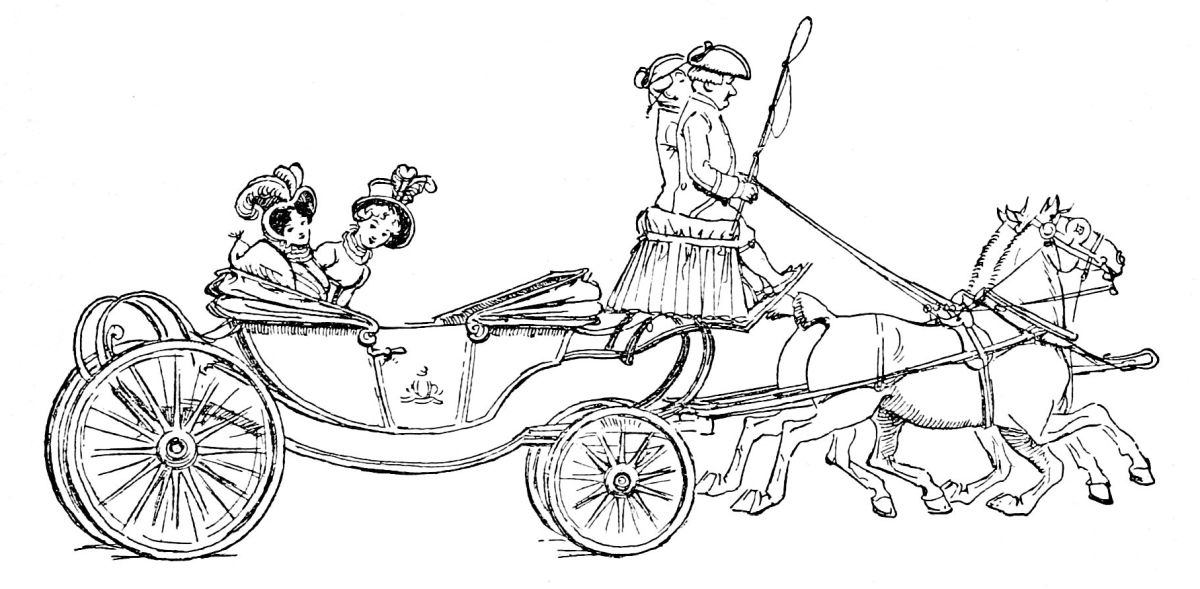
IN consequence of an agreement between the sisters, Elizabeth wrote the next morning to her mother, to beg that the carriage might be sent for them in the course of the day. But Mrs. Bennet, who had calculated on her daughters remaining at Netherfield till the following Tuesday, which would exactly finish Jane’s week, could not bring herself to receive them with pleasure before. Her answer, therefore, was not propitious, at least not to Elizabeth’s wishes, for she was impatient to get home. Mrs. Bennet sent them word that they could not possibly have the carriage before Tuesday; and in her postscript it was added, that if Mr. Bingley and his sister pressed them to stay longer, she could spare them very well. Against staying longer, however, Elizabeth was positively resolved—nor did she much expect it would be asked; and fearful, on the contrary, of being considered as intruding themselves needlessly long, she urged Jane to borrow Mr. Bingley’s carriage immediately, and at length it was settled that their original design of leaving Netherfield that morning should be mentioned, and the request made.
As the sisters had agreed, Elizabeth wrote to her mother the next morning. She asked for the carriage to be sent for them sometime that day. But Mrs. Bennet had counted on her daughters staying at Netherfield until the following Tuesday. Jane would then have stayed exactly a week. Mrs. Bennet could not bring herself to welcome their return any sooner. Her reply was therefore discouraging, at least to Elizabeth, who was eager to get home. Mrs. Bennet told them they could not possibly have the carriage before Tuesday. In a postscript, she added that she could easily spare them if Mr. Bingley and his sister urged them to stay longer. Elizabeth, however, was firmly determined not to stay longer, and hardly expected to be asked. Instead, she feared they would seem to be imposing by staying longer than necessary. So she urged Jane to borrow Mr. Bingley’s carriage immediately. At last, the sisters agreed to mention their original plan to leave Netherfield that morning and ask for his carriage.
The communication excited many professions of concern; and enough was said of wishing them to stay at least till the following day to work on Jane; and till the morrow their going was deferred. Miss Bingley was then sorry that she had proposed the delay; for her jealousy and dislike of one sister much exceeded her affection for the other.
The news prompted many expressions of concern. Enough was said about wanting them to stay at least until the next day to persuade Jane. So their departure was postponed until then. Miss Bingley was now sorry she had suggested the delay. Her jealousy and dislike of one sister far outweighed her affection for the other.
The master of the house heard with real sorrow that they were to go so soon, and repeatedly tried to persuade Miss Bennet that it would not be safe for her—that she was not enough recovered; but Jane was firm where she felt herself to be right.
The owner of the house was truly sorry to hear that they were leaving so soon. He repeatedly tried to convince Miss Bennet that leaving would be unsafe because she had not recovered enough. But Jane stood firm when she believed she was right.
To Mr. Darcy it was welcome intelligence: Elizabeth had been at Netherfield long enough. She attracted him more than he liked; and Miss Bingley was uncivil to her and more teasing than usual to himself. He wisely resolved to be particularly careful that no sign of admiration should now escape him—nothing that could elevate her with the hope of influencing his felicity; sensible that, if such an idea had been suggested, his behaviour during the last day must have material weight in confirming or crushing it. Steady to his purpose, he scarcely spoke ten words to her through the whole of Saturday: and though they were at one time left by themselves for half an hour, he adhered most conscientiously to his book, and would not even look at her.
Mr. Darcy welcomed the news. Elizabeth had been at Netherfield long enough. He was more attracted to her than he liked. Miss Bingley was rude to her and teased him more than usual. He wisely decided to be especially careful now not to show any admiration. He would give Elizabeth no reason to hope she could influence his happiness. He knew that, if she had already formed such an idea, his behavior on the final day would matter greatly. It could do much to confirm or crush that hope. Keeping to his plan, he scarcely spoke ten words to her throughout Saturday. And although they were once left alone together for half an hour, he kept his attention firmly on his book. He would not even look at her.
On Sunday, after morning service, the separation, so agreeable to almost all, took place. Miss Bingley’s civility to Elizabeth increased at last very rapidly, as well as her affection for Jane; and when they parted, after assuring the latter of the pleasure it would always give her to see her either at Longbourn or Netherfield, and embracing her most tenderly, she even shook hands with the former. Elizabeth took leave of the whole party in the liveliest spirits.
On Sunday, after the morning church service, they parted, much to almost everyone’s pleasure. Miss Bingley’s politeness to Elizabeth at last increased very quickly, as did her affection for Jane. As they said goodbye, Miss Bingley assured Jane she would always be delighted to see her at Longbourn or Netherfield. After hugging Jane very tenderly, Miss Bingley even shook hands with Elizabeth. Elizabeth said goodbye to the whole group in the highest spirits.
They were not welcomed home very cordially by their mother. Mrs. Bennet wondered at their coming, and thought them very wrong to give so much trouble, and was sure Jane would have caught cold again. But their father, though very laconic in his expressions of pleasure, was really glad to see them; he had felt their importance in the family circle. The evening conversation, when they were all assembled, had lost much of its animation, and almost all its sense, by the absence of Jane and Elizabeth.
Their mother did not welcome them home very warmly. Mrs. Bennet was surprised they had come and thought they were very wrong to cause so much trouble. She was sure Jane would have caught another cold. But their father was truly glad to see them, though he said very little to express his pleasure. He had realized how important they were to family life. Without Jane and Elizabeth, the family's evening conversations had lost much of their liveliness and almost all their sense.
They found Mary, as usual, deep in the study of thorough bass and human nature; and had some new extracts to admire and some new observations of threadbare morality to listen to. Catherine and Lydia had information for them of a different sort. Much had been done, and much had been said in the regiment since the preceding Wednesday; several of the officers had dined lately with their uncle; a private had been flogged; and it had actually been hinted that Colonel Forster was going to be married.
They found Mary, as usual, absorbed in studying musical harmony and human nature. She had some new passages for them to admire and some new remarks on worn-out moral lessons to share. Catherine and Lydia had news of a different kind. Much had happened, and much had been said in the regiment since the previous Wednesday. Several officers had recently dined with their uncle. A private had been flogged. And there had actually been hints that Colonel Forster was going to be married.