Short essays and letters cover anger, grief, the shortness of life, and how to find peace of mind. The essay on mercy is addressed to the young emperor Nero, whom Seneca had tutored.
51 pages 59 min reading time
Essential Stoic writing by Seneca, one of Rome's leading philosophers and an advisor to Emperor Nero.
Insists that life is not short but that we waste it, and urges spending time on what truly matters.
Argues in "On Clemency," addressed to the young Nero, that mercy best suits a ruler.
John Calvin's first book was a commentary on "On Clemency," and Montaigne drew heavily on Seneca.
Written in exile
Banished to the island of Corsica, Seneca wrote a letter to comfort his mother, who was grieving his absence.
A plea for rescue
Another exile letter consoles a palace official and flatters the emperor Claudius, hoping to be called home.
Shadowed by a murder
"On Clemency" came soon after Nero's stepbrother Britannicus died suddenly, widely thought poisoned by Nero.
Saved by one book
The dialogues survive mainly through one medieval copy in Milan, and "On Clemency" survives only in part.


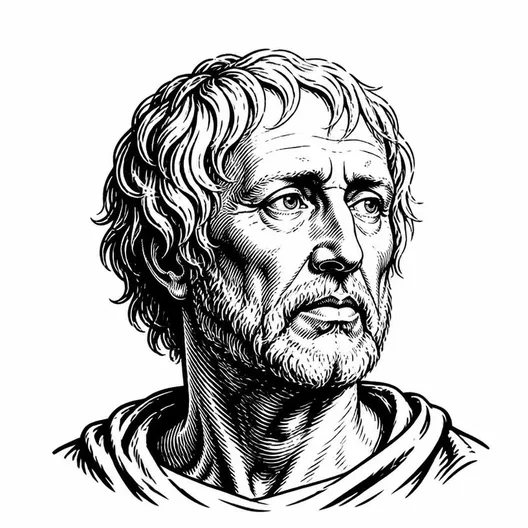 Lucius Annaeus Seneca c. 63 CE