This autobiography traces Gibbon's education and the making of his history of the Roman Empire. He recalls hearing friars sing among Rome's ruins when the idea for his history first came to him.
195 pages 3h 47m reading time
One of the most admired autobiographies in English, often ranked among the best accounts a writer has given of his own life.
Shows how a great book grows out of a whole life: years of wide reading, travel, false starts, and slow patient work.
Presents a calm, ironic, and honest look at the self, including his failures, such as giving up the woman he loved because his father forbade the marriage.
Pieced together after his death from six unfinished drafts, it became a model for later editors and a classic case study in how a text is shaped by the person who prepares it.
Its closing scene, in which he finishes his history late at night in his garden at Lausanne and feels both joy and sadness, is one of the most quoted moments in English writing about authorship.
Hidden for a century
Gibbon's original drafts stayed private with his friend's family until they were printed in full in 1896.
Begun after the history
Gibbon started writing it at his home in Lausanne, soon after finishing his history of Rome.
Death left it unfinished
Gibbon died in London in 1794, before he could choose or complete a final version.
A friend's careful cuts
His close friend Lord Sheffield edited the text, removing or softening passages he thought too frank.


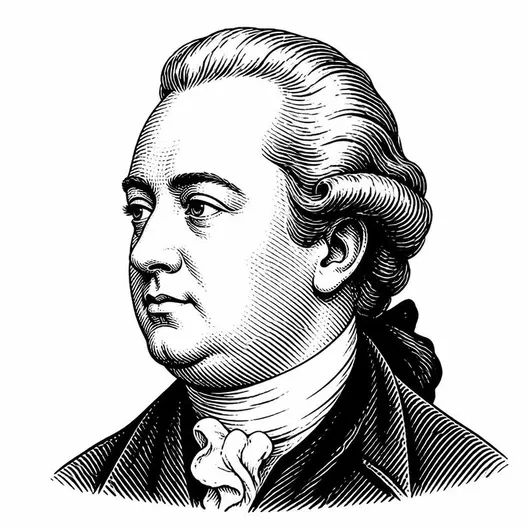 Edward Gibbon 1796