In this dialogue, Socrates and two generals discuss courage and how young men should be taught. A display of fighting in armor sparks a debate that neither general can settle.
42 pages 49 min reading time
A short early dialogue by Plato and one of the clearest examples of how Socrates questioned people in search of a definition.
Argues that people who think they understand a virtue like courage often cannot say what it is, and that admitting this is the first step toward real knowledge.
Suggests that courage may be a kind of knowledge, an understanding of what is truly worth fearing and what is not, which ties it to all the other virtues.
Its question of what courage really is still shapes how philosophers, military schools, and teachers talk about bravery and how to build it.
It is often used as a first reading in philosophy classes because it shows the Socratic method in a short, lively conversation.
A general's tragic irony
Nicias, who argues that courage is knowing what to fear, later lost an Athenian army in Sicily and was executed.
Socrates the soldier
Laches praises Socrates for staying calm and brave during a real Athenian retreat after losing the Battle of Delium.
Written after the speakers died
Plato wrote it years after Socrates and both generals had died, so his first readers already knew their fates.
Famous fathers, ordinary sons
The two worried fathers are sons of great Athenian leaders, yet they admit they did little worth remembering themselves.


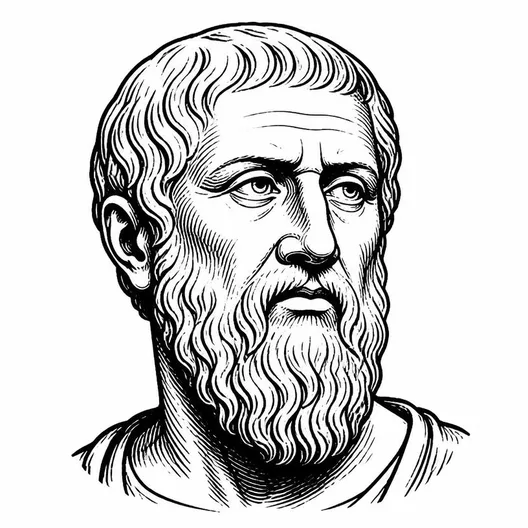 Plato c. 390 BCE