A short pamphlet makes the case, in plain words, that the American colonies should break free from Britain. Published without the author's name, it calls King George III the Royal Brute of Britain.
77 pages 1h 29m reading time
The pamphlet that turned Americans toward independence.
Argues that kings and inherited power are absurd, and that an island has no business ruling a continent.
Urges the colonies to break from Britain at once and found an independent republic.
It swung colonial opinion toward independence in the months before the Declaration that July.
Written by a recent arrival
Paine had arrived in America about a year earlier, nearly broke, with a letter of introduction from Franklin.
A friend picked the title
Paine wanted to call it "Plain Truth," but his friend Benjamin Rush suggested "Common Sense" instead.
Profits promised to soldiers
Paine pledged his earnings to buy soldiers mittens, but a quarrel with his printer left him almost nothing.
Blamed on John Adams
Many readers guessed John Adams wrote it, though Adams disliked its plan for government and wrote a reply.


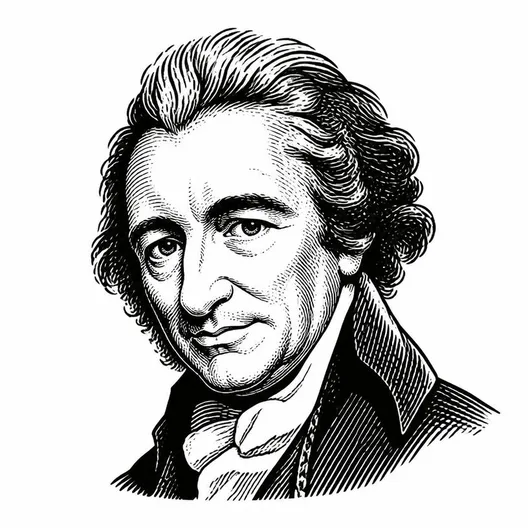 Thomas Paine 1776