2
A Day in Samoa
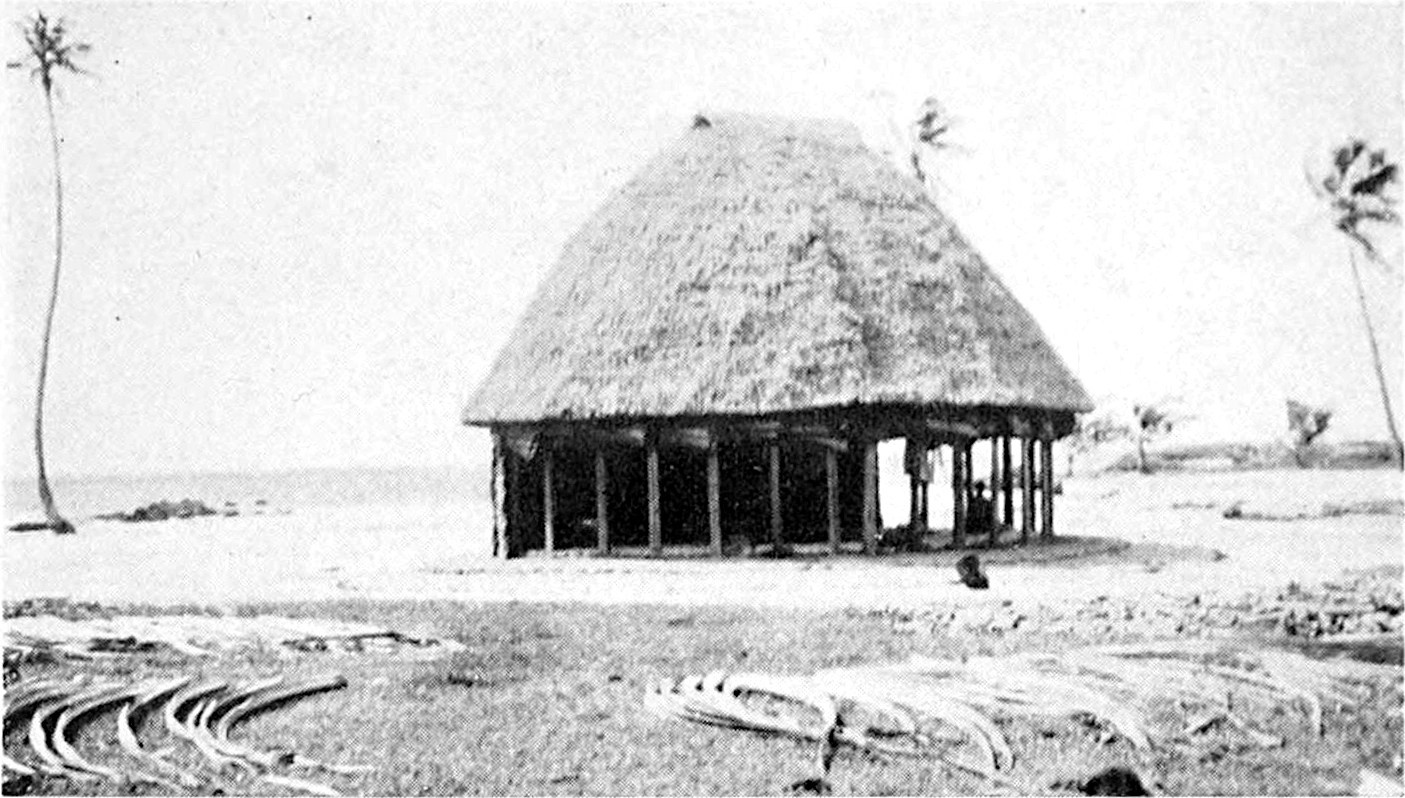
The life of the day begins at dawn, or if the moon has shown until daylight, the shouts of the young men may be heard before dawn from the hillside. Uneasy in the night, populous with ghosts, they shout lustily to one another as they hasten with their work. As the dawn begins to fall among the soft brown roofs and the slender palm trees stand out against a colourless, gleaming sea, lovers slip home from trysts beneath the palm trees or in the shadow of beached canoes, that the light may find each sleeper in his appointed place. Cocks crow, negligently, and a shrill-voiced bird cries from the breadfruit trees. The insistent roar of the reef seems muted to an undertone for the sounds of a waking village. Babies cry, a few short wails before sleepy mothers give them the breast. Restless little children roll out of their sheets and wander drowsily down to the beach to freshen their faces in the sea. Boys, bent upon an early fishing, start collecting their tackle and go to rouse their more laggard companions. Fires are lit, here and there, the white smoke hardly visible against the paleness of the dawn. The whole village, sheeted and frowsy, stirs, rubs its eyes, and stumbles towards the beach. “Talofa!” “Talofa!” “Will the journey start to-day?” “Is it bonito fishing your lordship is going?” Girls stop to giggle over some young ne’er-do-well who escaped during the night from an angry father’s pursuit and to venture a shrewd guess that the daughter knew more about his presence than she told. The boy who is taunted by another, who has succeeded him in his sweetheart’s favour, grapples with his rival, his foot slipping in the wet sand. From the other end of the village comes a long drawn-out, piercing wail. A messenger has just brought word of the death of some relative in another village. Half-clad, unhurried women, with babies at their breasts, or astride their hips, pause in their tale of Losa’s outraged departure from her father’s house to the greater kindness in the home of her uncle, to wonder who is dead. Poor relatives whisper their requests to rich relatives, men make plans to set a fish trap together, a woman begs a bit of yellow dye from a kinswoman, and through the village sounds the rhythmic tattoo which calls the young men together. They gather from all parts of the village, digging sticks in hand, ready to start inland to the plantation. The older men set off upon their more lonely occupations, and each household, reassembled under its peaked roof, settles down to the routine of the morning. Little children, too hungry to wait for the late breakfast, beg lumps of cold taro which they munch greedily. Women carry piles of washing to the sea or to the spring at the far end of the village, or set off inland after weaving materials. The older girls go fishing on the reef, or perhaps set themselves to weaving a new set of Venetian blinds.
The day begins at dawn. Or, if the moon has shone until daylight, young men’s shouts may be heard before dawn from the hillside. Uneasy in the ghost-filled night, the young men shout heartily to one another as they hurry through their work. Dawn begins to spread among the soft brown roofs. Slender palm trees stand out against a pale, gleaming sea. Lovers slip home from meetings beneath the palms or in the shadows of beached canoes. They return so that daylight will find each sleeper in the proper place. Roosters crow lazily, and a shrill bird calls from the breadfruit trees. The reef’s constant roar seems to fade beneath the sounds of the waking village. Babies cry a few short wails before sleepy mothers nurse them. Restless little children roll out of their sheets and wander sleepily down to the beach. They splash seawater on their faces to freshen up. Boys planning to fish early gather their gear and go to wake their slower companions. Fires are lit here and there, their white smoke hardly visible against the pale dawn. The whole village, wrapped in sheets and rumpled from sleep, stirs, rubs its eyes, and stumbles toward the beach. “Talofa!” “Talofa!” “Will the journey start today?” “Is your lordship going fishing for bonito?” Girls stop to giggle about a young troublemaker who escaped an angry father’s pursuit during the night. They shrewdly guess that the daughter knew more about his presence than she admitted. A boy is taunted by another who has replaced him in his sweetheart’s affections. The boy wrestles with his rival, his foot slipping in the wet sand. From the other end of the village comes a long, piercing wail. A messenger has just brought news that a relative has died in another village. Partly dressed women linger, with babies nursing at their breasts or straddling their hips. They pause in telling how Losa left her father’s house in outrage for her uncle’s kinder home. They wonder who has died. Poor relatives whisper requests to rich relatives. Men plan to set a fish trap together. A woman asks a female relative for a little yellow dye. Through the village comes the rhythmic beat that calls the young men together. They gather from every part of the village, digging sticks in hand, ready to head inland to the plantation. The older men leave for their more solitary tasks. Each household gathers again beneath its peaked roof and settles into the morning routine. Little children, too hungry to wait for the late breakfast, beg for chunks of cold taro and eat them greedily. Women carry piles of laundry to the sea or to the spring at the far end of the village. Others head inland to gather weaving materials. The older girls fish on the reef, or perhaps begin weaving a new set of Venetian blinds.
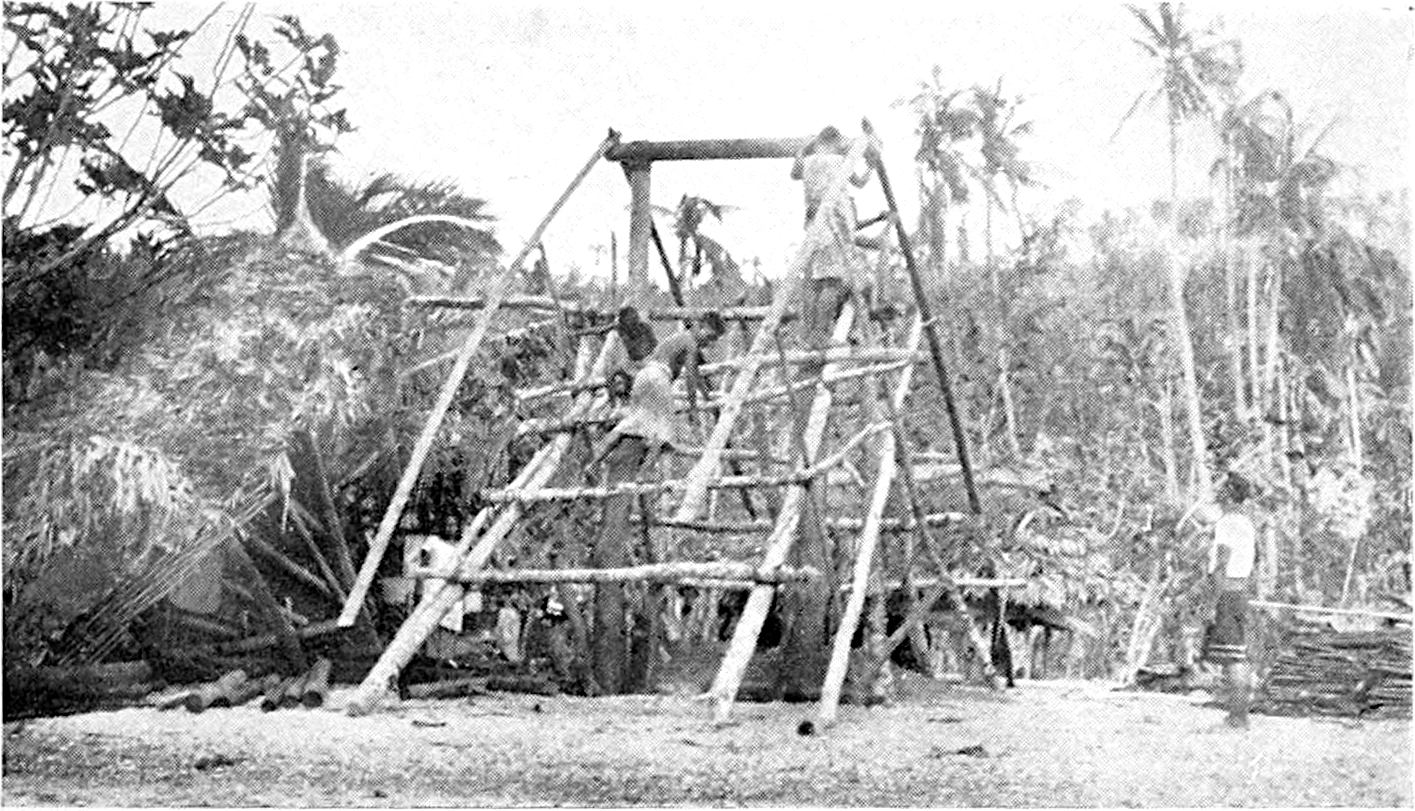
In the houses, where the pebbly floors have been swept bare with a stiff long-handled broom, the women great with child and the nursing mothers, sit and gossip with one another. Old men sit apart, unceasingly twisting palm husk on their bare thighs and muttering old tales under their breath. The carpenters begin work on the new house, while the owner bustles about trying to keep them in a good humour. Families who will cook to-day are hard at work; the taro, yams and bananas have already been brought from inland; the children are scuttling back and forth, fetching sea water, or leaves to stuff the pig. As the sun rises higher in the sky, the shadows deepen under the thatched roofs, the sand is burning to the touch, the hibiscus flowers wilt on the hedges, and little children bid the smaller ones, “Come out of the sun.” Those whose excursions have been short return to the village, the women with strings of crimson jelly fish, or baskets of shell fish, the men with cocoanuts, carried in baskets slung on a shoulder pole. The women and children eat their breakfasts, just hot from the oven, if this is cook day, and the young men work swiftly in the midday heat, preparing the noon feast for their elders.
Inside the houses, the pebble floors have been swept clean with a stiff, long-handled broom. Heavily pregnant women and nursing mothers sit and gossip together. Old men sit apart, endlessly twisting palm husk on their bare thighs and muttering old tales under their breath. The carpenters begin work on the new house, while the owner bustles about trying to keep them cheerful. Families who will cook today are hard at work. The taro, yams, and bananas have already been brought from inland. The children scurry back and forth, fetching seawater or leaves to stuff the pig. As the sun rises higher, the shadows deepen under the thatched roofs. The sand becomes burning hot to the touch, and the hibiscus flowers wilt on the hedges. Little children tell the smaller ones, “Come out of the sun.” Those who have made short trips return to the village. The women carry strings of crimson jellyfish or baskets of shellfish. The men carry coconuts in baskets hanging from a pole across one shoulder. The women and children eat their breakfasts, hot from the oven if it is a cooking day. Meanwhile, the young men work quickly in the midday heat, preparing the noon feast for their elders.
It is high noon. The sand burns the feet of the little children, who leave their palm leaf balls and their pin-wheels of frangipani blossoms to wither in the sun, as they creep into the shade of the houses. The women who must go abroad carry great banana leaves as sun-shades or wind wet cloths about their heads. Lowering a few blinds against the slanting sun, all who are left in the village wrap their heads in sheets and go to sleep. Only a few adventurous children may slip away for a swim in the shadow of a high rock, some industrious woman continues with her weaving, or a close little group of women bend anxiously over a woman in labour. The village is dazzling and dead; any sound seems oddly loud and out of place. Words have to cut through the solid heat slowly. And then the sun gradually sinks over the sea.
It is noon. The sand burns the little children’s feet as they creep into the shade of the houses. They leave their palm-leaf balls and pinwheels made of frangipani blossoms to wither in the sun. The women who must go outside carry large banana leaves for shade or wrap wet cloths around their heads. Everyone left in the village lowers a few blinds against the slanting sun, wraps their head in sheets, and sleeps. Only a few adventurous children may slip away to swim in the shadow of a high rock. Some hardworking woman keeps weaving, or a small, tightly gathered group of women bends anxiously over a woman giving birth. The village is dazzling and lifeless. Any sound seems strangely loud and out of place. Words have to cut slowly through the solid heat. And then the sun gradually sinks over the sea.
A second time, the sleeping people stir, roused perhaps by the cry of “a boat,” resounding through the village. The fishermen beach their canoes, weary and spent from the heat, in spite of the slaked lime on their heads, with which they have sought to cool their brains and redden their hair. The brightly coloured fishes are spread out on the floor, or piled in front of the houses until the women pour water over them to free them from taboo. Regretfully, the young fishermen separate out the “Taboo fish,” which must be sent to the chief, or proudly they pack the little palm leaf baskets with offerings of fish to take to their sweethearts. Men come home from the bush, grimy and heavy laden, shouting as they come, greeted in a sonorous rising cadence by those who have remained at home. They gather in the guest house for their evening kava drinking. The soft clapping of hands, the high-pitched intoning of the talking chief who serves the kava echoes through the village. Girls gather flowers to weave into necklaces; children, lusty from their naps and bound to no particular task, play circular games in the half shade of the late afternoon. Finally the sun sets, in a flame which stretches from the mountain behind to the horizon on the sea, the last bather comes up from the beach, children straggle home, dark little figures etched against the sky; lights shine in the houses, and each household gathers for its evening meal. The suitor humbly presents his offering, the children have been summoned from their noisy play, perhaps there is an honoured guest who must be served first, after the soft, barbaric singing of Christian hymns and the brief and graceful evening prayer. In front of a house at the end of the village, a father cries out the birth of a son. In some family circles a face is missing, in others little runaways have found a haven! Again quiet settles upon the village, as first the head of the household, then the women and children, and last of all the patient boys, eat their supper.
Once again, the sleeping people stir, perhaps awakened by the cry of “a boat,” echoing through the village. The fishermen pull their canoes onto the beach, exhausted by the heat despite the slaked lime on their heads. They have applied the lime to cool their brains and redden their hair. The brightly colored fish are spread across the floor or piled in front of the houses. There the fish remain until the women pour water over them to remove the taboo. Regretfully, the young fishermen set aside the “Taboo fish,” which must be sent to the chief. Or they proudly fill little palm-leaf baskets with gifts of fish to take to their sweethearts. Men return from the bush, dirty and heavily loaded, shouting as they approach. Those who stayed home greet the men in deep voices that rise in rhythm. The men gather in the guest house to drink kava that evening. Soft handclaps and the high-pitched chanting of the talking chief serving the kava echo through the village. Girls gather flowers to weave into necklaces. Children, full of energy after their naps and with no particular tasks, play circle games in the late afternoon's partial shade. Finally, the sun sets in a blaze stretching from the mountain behind the village to the sea's horizon. The last bather comes up from the beach. Children wander home, their small, dark figures outlined against the sky. Lights shine in the houses, and each household gathers for its evening meal. A suitor humbly presents his gift, and the children have been called in from their noisy play. Perhaps an honored guest must be served first, after the soft, barbaric singing of Christian hymns and a brief, graceful evening prayer. In front of a house at the village's edge, a father calls out the news of a son's birth. In some family circles, a face is missing. In others, little runaways have found refuge! Quiet settles over the village again. First the head of the household eats supper, then the women and children, and finally the patient boys.
After supper the old people and the little children are bundled off to bed. If the young people have guests the front of the house is yielded to them. For day is the time for the councils of old men and the labours of youth, and night is the time for lighter things. Two kinsmen, or a chief and his councillor, sit and gossip over the day’s events or make plans for the morrow. Outside a crier goes through the village announcing that the communal breadfruit pit will be opened in the morning, or that the village will make a great fish trap. If it is moonlight, groups of young men, women by twos and threes, wander through the village, and crowds of children hunt for land crabs or chase each other among the breadfruit trees. Half the village may go fishing by torchlight and the curving reef will gleam with wavering lights and echo with shouts of triumph or disappointment, teasing words or smothered cries of outraged modesty. Or a group of youths may dance for the pleasure of some visiting maiden. Many of those who have retired to sleep, drawn by the merry music, will wrap their sheets about them and set out to find the dancing. A white-clad, ghostly throng will gather in a circle about the gaily lit house, a circle from which every now and then a few will detach themselves and wander away among the trees. Sometimes sleep will not descend upon the village until long past midnight; then at last there is only the mellow thunder of the reef and the whisper of lovers, as the village rests until dawn.
After supper, the old people and little children are tucked into bed. If the young people have guests, the front of the house is left to them. For daytime is for the old men’s councils and the young people’s work, while night is for lighter things. Two relatives, or a chief and his adviser, sit and gossip about the day’s events or plan for tomorrow. Outside, a town crier walks through the village, announcing that the communal breadfruit pit will open in the morning. Or the crier announces that the village will build a large fish trap. If there is moonlight, groups of young men and women in twos and threes wander through the village. Crowds of children hunt for land crabs or chase each other among the breadfruit trees. Half the village may go fishing by torchlight, and the curving reef will gleam with flickering lights. The reef will echo with shouts of triumph or disappointment, teasing remarks, or muffled cries of offended modesty. Or a group of young people may dance to entertain a visiting young woman. Many who have gone to bed will hear the cheerful music, wrap themselves in sheets, and go looking for the dancing. A ghostly crowd dressed in white will gather in a circle around the brightly lit house. Every now and then, a few will leave the circle and wander away among the trees. Sometimes the village will not fall asleep until long after midnight. Then, at last, only the deep, gentle rumble of the reef and lovers’ whispers remain as the village rests until dawn.