

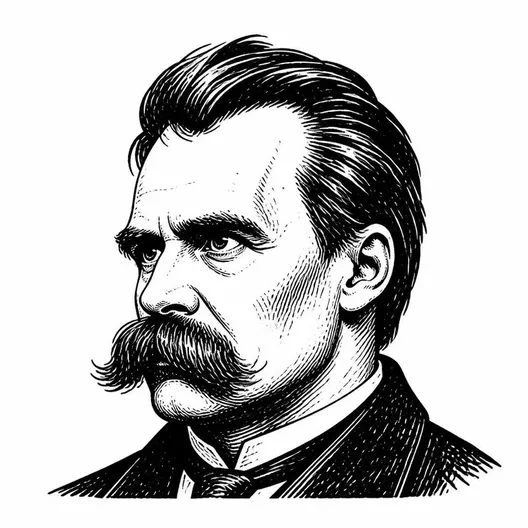
Friedrich Nietzsche
German philosopher whose aphorisms answered the death of God with a call to affirm life Show bio
Bio
Friedrich Nietzsche lost his father, a Lutheran pastor, to brain disease at age four. He studied theology to become a minister, then lost his faith after one semester. Nietzsche wrote to his devout sister, Elisabeth, that a "devotee of truth" must "inquire."
He owed his turn to philosophy to Arthur Schopenhauer, one of the few thinkers he respected. Nietzsche left his professorship in poor health and wrote his core works alone, on little money.
He collapsed at 44 and lost his mental faculties for the rest of his life. Nietzsche became linked to Nazism through his sister Elisabeth's edits, though he opposed antisemitism and nationalism.
Books by Friedrich Nietzsche
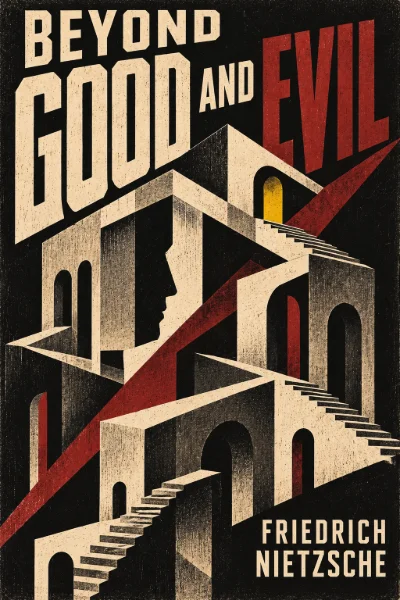 Beyond Good and Evil
Nine chapters of short, numbered sections question the ideas of truth and morality that most people take for granted. One line warns that whoever fights monsters should take care not to become a monster.
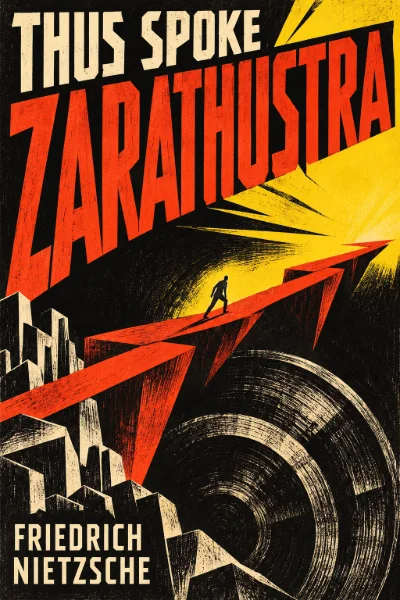 Thus Spoke Zarathustra
A wandering teacher named Zarathustra questions human values through speeches, stories, and songs. His first public speech unfolds before a crowd waiting to watch a tightrope walker.
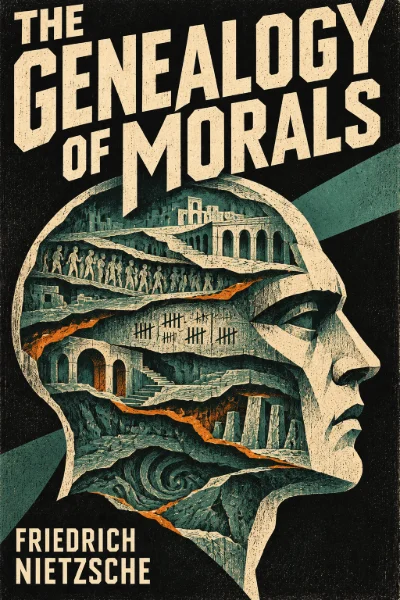 The Genealogy of Morals
Three essays trace how ideas of good and evil developed through conflict and changing social values. One essay links guilt to debt, drawing on an old connection between the German words.
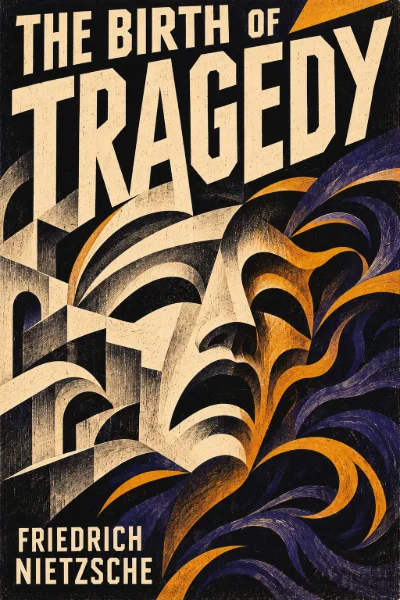 The Birth of Tragedy
This philosophical essay examines how ancient Greek tragedy grew from music and religious festivals. The gods Apollo and Dionysus represent the competing artistic forces behind its account of tragic drama.
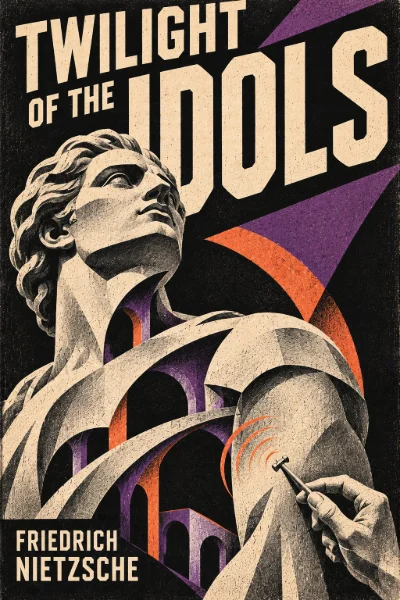 Twilight of the Idols
This book uses short, sharp arguments to challenge accepted morality, philosophy, and Christianity. One section asks whether Socrates' faith in reason was a sign of sickness.
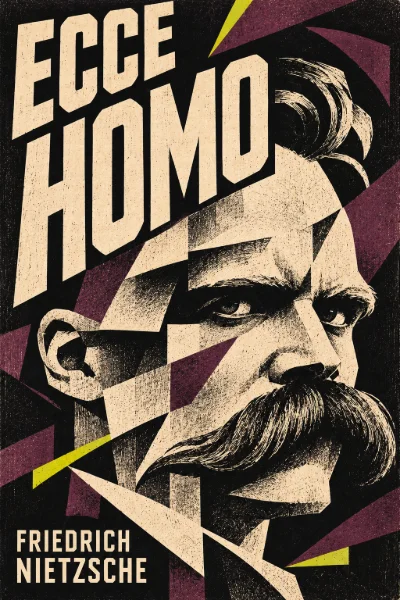 Ecce Homo
This autobiography presents Nietzsche's account of his life and the books he wrote. A chapter called "Why I Am So Wise" shows his deliberately boastful approach to telling his story.
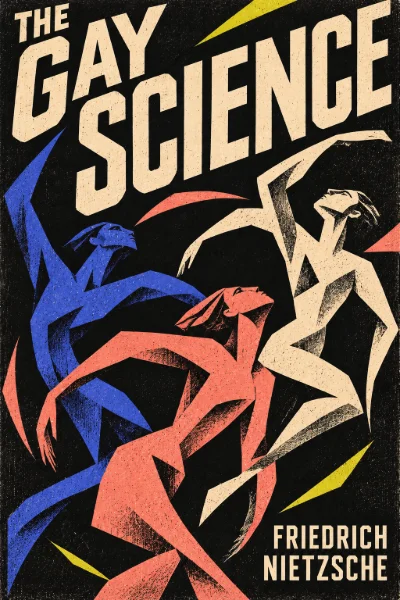 The Gay Science
Short reflections and poems question morality, religion, and the search for knowledge. A madman carrying a lantern announces that God is dead.