Chapter 5
The Romance of Achievement Against the Odds
What doth the poor man's son inherit? Stout muscles, and a sinewy heart, A hardy frame, a hardier spirit! King of two hands he does his part In every useful toil and art: A heritage it seems to me, A king might wish to hold in fee. Lowell.
What does a poor man's son inherit? Strong muscles, a strong heart, a tough body, and an even tougher spirit! Master of his own two hands, he does his part in every useful kind of work and craft. To me, that seems an inheritance a king might wish to own. Lowell.
Has not God given every man a capital to start with? Are we not born rich? He is rich who has good health, a sound body, good muscles; he is rich who has a good head, a good disposition, a good heart; he is rich who has two good hands, with five chances on each. Equipped? Every man is equipped as only God could equip him. What a fortune he possesses in the marvellous mechanism of his body and mind. It is individual effort that has achieved everything worth achieving.
Hasn’t God given every man something to start with? Aren’t we born rich? A man is rich if he has good health, a sound body, and strong muscles. He is rich if he has a good mind, a good disposition, and a good heart. He is rich if he has two good hands, with five chances on each. Equipped? Every man is equipped as only God could equip him. What a fortune he has in the marvelous workings of his body and mind. Individual effort has achieved everything worth achieving.
THE FUN OF THE LITTLE GAME
The Fun of the Little Game
A big Australian, six feet four, James Tyson, died not long since, with a property of $25,000,000, who began life as a farm hand. Tyson cared little for money. He used to say of it:
James Tyson was a large Australian man, six feet four inches tall. He started life as a farmhand and died recently, leaving $25,000,000. Tyson cared little for money. He used to say of it:
"I shall just leave it behind me when I go. I shall have done with it then, and it will not concern me afterwards. But," he would add, with a characteristic semi-exultant snap of the fingers, "the money is nothing. It was the little game that was the fun."
"I'll just leave it behind when I go. I'll be done with it then, and it won't concern me afterward. But," he would add, snapping his fingers in his usual, almost triumphant way, "the money is nothing. The fun was in the little game."
Being asked, "What was the little game?" he replied with an energy of concentration peculiar to him: "Fighting the desert. That has been my work. I have been fighting the desert all my life, and I have won. I have put water where was no water, and beef where was no beef. I have put fences where there were no fences, and roads where there were no roads. Nothing can undo what I have done, and millions will be happier for it after I am long dead and forgotten."
When asked, "What was the little game?" he replied with his characteristic intense focus: "Fighting the desert. That has been my work. I have been fighting the desert all my life, and I have won. I have brought water where there was none, and beef where there was none. I have put fences where there were no fences, and roads where there were no roads. Nothing can undo what I have done. Millions will be happier because of it, long after I am dead and forgotten."
Has not self-help accomplished about all the great things of the world? How many young men falter, faint, and dally with their purpose because they have no capital to start with, and wait and wait for some good luck to give them a lift. But success is the child of drudgery and perseverance. It cannot be coaxed or bribed; pay the price, and it is yours. A constant struggle, a ceaseless battle to bring success from inhospitable surroundings, is the price of all great achievements.
Hasn't self-help accomplished nearly all the great things in the world? How many young men hesitate, lose heart, and delay pursuing their goals because they have no money to start with? They wait and wait for some stroke of luck to give them a boost. But success comes from hard work and perseverance. You cannot coax or bribe success. Pay the price, and it is yours. All great achievements require a constant struggle, a relentless battle to succeed in unfavorable surroundings.
CONQUERORS OF FORTUNE
Conquerors of Fortune
Benjamin Franklin had this tenacity of purpose in a wonderful degree. When he started in the printing business in Philadelphia, he carried his material through the streets on a wheelbarrow. He hired one room for his office, work-room, and sleeping-room. He found a formidable rival in the city and invited him to his room. Pointing to a piece of bread from which he had just eaten his dinner, he said:
Benjamin Franklin had an extraordinary determination to achieve his goals. When he started his printing business in Philadelphia, he carried his materials through the streets in a wheelbarrow. He rented one room to serve as his office, workshop, and bedroom. He found a formidable rival in the city and invited him to his room. Pointing to a piece of bread he had just eaten for dinner, he said:
"Unless you can live cheaper than I can, you cannot starve me out."
"Unless you can live on less than I can, you cannot starve me out."
It was so that he proved the wisdom of Edmund Burke's saying, that "He that wrestles with us strengthens our nerves, and sharpens our skill: our antagonist is our helper."
In this way, he proved the wisdom of Edmund Burke's saying: "Those who wrestle with us strengthen our nerves and sharpen our skills. Our opponent is our helper."
The poor and friendless lad, George Peabody, weary, footsore, and hungry, called at a tavern in Concord, N.H., and asked to be allowed to saw wood for lodging and breakfast. Yet he put in work for everything he ever received, and out-matched the poverty of early days.
George Peabody was a poor boy with no friends. Tired, hungry, and with sore feet, he stopped at a tavern in Concord, N.H. He asked if he could saw wood in exchange for a place to sleep and breakfast. He worked for everything he ever received and overcame the poverty of his early years.
Gideon Lee could not even get shoes to wear in winter, when a boy, but he went to work barefoot in the snow. He made a bargain with himself to work sixteen hours a day. He fulfilled it to the letter, and when from interruption he lost time, he robbed himself of sleep to make it up. He became a wealthy merchant of New York, mayor of the city, and a member of Congress.
As a boy, Gideon Lee could not even get shoes to wear in winter, but he went to work barefoot in the snow. He made a deal with himself to work sixteen hours a day. He kept that deal exactly. When interruptions cost him time, he gave up sleep to make it up. He became a wealthy New York merchant, mayor of the city, and a member of Congress.
COMMERCIAL COURAGE
Commercial Courage
The business affairs of a gentleman named Rouss were once in a complicated condition, owing to his conflicting interests in various states, and he was thrown into prison. While confined he wrote on the walls of his cell:
A man named Rouss once had complicated business affairs because of his conflicting interests in various states. As a result, he was sent to prison. While confined, he wrote on the walls of his cell:
"I am forty years of age this day. When I am fifty, I shall be worth half a million; and by the time I am sixty, I shall be worth a million dollars."
"I am forty years old today. When I am fifty, I will be worth half a million dollars. By the time I am sixty, I will be worth a million dollars."
He lived to accumulate more than three million dollars.
He lived long enough to amass more than three million dollars.
"The ruin which overtakes so many merchants," says Whipple, "is due not so much to their lack of business talent as to their lack of business nerve."
"Many merchants fail," says Whipple, "not so much because they lack business talent as because they lack business courage."
Cyrus W. Field had retired from business with a large fortune when he became possessed with the idea that by means of a cable laid upon the bottom of the Atlantic Ocean, telegraphic communication could be established between Europe and America. He plunged into the undertaking with all the force of his being. It was an incredibly hard contest: the forests of Newfoundland, the lobby in Congress, the unskilled handling of brakes on his Agamemnon cable, a second and a third breaking of the cable at sea, the cessation of the current in a well-laid cable, the snapping of a superior cable on the Great Eastern--all these availed not to foil the iron will of Field, whose final triumph was that of mental energy in the application of science.
Cyrus W. Field had retired from business with a large fortune. Then he became obsessed with an idea. He believed a cable laid on the Atlantic Ocean floor could establish telegraph communication between Europe and America. He threw himself into the project with all his energy. The struggle was incredibly hard. He faced the forests of Newfoundland and lobbying in Congress. The brakes on his Agamemnon cable were handled poorly, and the cable broke at sea a second and third time. The current stopped flowing through a well-laid cable. A better cable snapped on the Great Eastern. None of these setbacks could defeat Field’s iron will. His final triumph showed the power of mental energy applied to science.
FOUR NEW YORK JOURNALISTS
Four New York Journalists
To Horace Greeley, the founder of the "Tribune," I need not allude; his story is or ought to be in every school-book.
I need not mention Horace Greeley, the founder of the "Tribune." His story is, or ought to be, in every schoolbook.
James Brooks, once the editor and proprietor of the "Daily Express," and later an eminent congressman, began life as a clerk in a store in Maine, and when twenty-one received for his pay a hogshead of New England rum. He was so eager to go to college that he started for Waterville with his trunk on his back, and when he was graduated he was so poor and plucky that he carried his trunk on his back to the station as he went home.
James Brooks began working as a store clerk in Maine. He later became editor and owner of the "Daily Express" and a prominent congressman. At twenty-one, he was paid with a hogshead of New England rum. He was so eager to attend college that he set out for Waterville with his trunk on his back. When he graduated, he was still so poor and determined that he carried his trunk to the station on his back as he headed home.
When James Gordon Bennett was forty years old he collected all his property, three hundred dollars, and in a cellar with a board upon two barrels for a desk, himself his own typesetter, office boy, publisher, newsboy, clerk, editor, proofreader, and printer's devil, he started the "New York Herald." He did this, after many attempts and defeats in trying to follow the routine, instead of doing his own way. Never was any man's early career a better illustration of Wendell Phillips' dictum: "What is defeat? Nothing but education; nothing but the first steps to something better."
When James Gordon Bennett was forty, he gathered all his property, worth three hundred dollars, and started the "New York Herald" in a cellar. His desk was a board laid across two barrels. He was his own typesetter, office boy, publisher, newsboy, clerk, editor, proofreader, and printer's assistant. He started the paper after many failed attempts to follow the usual routine instead of doing things his own way. No man's early career better illustrated Wendell Phillips' saying: "What is defeat? Nothing but education, nothing but the first steps toward something better."
Thurlow Weed, who was a journalist for fifty-seven years, strong, sensible, genial, tactful, and of magnificent physique, who did so much to shape public policy in the Empire State, tells a most romantic story of his boyhood:--
Thurlow Weed was a journalist for fifty-seven years. He was strong, sensible, friendly, tactful, and magnificently built. He did much to shape public policy in the Empire State. He tells a very romantic story about his boyhood:
"I cannot ascertain how much schooling I got at Catskill, probably less than a year, certainly not a year and a half, and this was when I was not more than five or six years old. I felt a necessity, at an early age, of trying to do something for my own support.
"I cannot determine how much schooling I had at Catskill. It was probably less than a year, and certainly not a year and a half. I was no more than five or six years old at the time. From an early age, I felt I had to do something to support myself.
"My first employment was in sugar-making, an occupation to which I became much attached. I now look with great pleasure upon the days and nights passed in the sap-bush. The want of shoes (which, as the snow was deep, was no small privation) was the only drawback upon my happiness. I used, however, to tie pieces of an old rag carpet around my feet, and got along pretty well, chopping wood and gathering up sap. But when the spring advanced, and bare ground appeared in spots, I threw off the old carpet encumbrance and did my work barefoot.
"My first job was making sugar, and I grew very fond of the work. I still look back with great pleasure on the days and nights I spent in the sugar maple woods. The only thing that spoiled my happiness was having no shoes. With the snow so deep, that was no small hardship. But I tied pieces of an old rag carpet around my feet and managed pretty well. I chopped wood and gathered sap. As spring advanced and patches of bare ground appeared, I threw off the cumbersome carpet pieces and worked barefoot.
"There is much leisure time for boys who are making maple sugar. I devoted this time to reading, when I could obtain books; but the farmers of that period had few or no books, save their Bibles. I borrowed books whenever and wherever I could.
"Boys making maple sugar have a lot of free time. I spent that time reading whenever I could find books. But farmers in those days had few books besides their Bibles, if they had any at all. I borrowed books whenever and wherever I could.
"I heard that a neighbor, three miles off, had borrowed from a still more distant neighbor a book of great interest. I started off, barefoot, in the snow, to obtain the treasure. There were spots of bare ground, upon which I would stop to warm my feet. And there were also, along the road, occasional lengths of log-fence from which the snow had melted, and upon which it was a luxury to walk. The book was at home, and the good people consented, upon my promise that it should be neither torn nor soiled, to lend it to me. In returning with the prize, I was too happy to think of the snow or my naked feet.
"I heard that a neighbor three miles away had borrowed a fascinating book from another neighbor who lived even farther away. I set off barefoot through the snow to get the treasure. In some places, the ground was bare, and I stopped there to warm my feet. Along the road, there were also stretches of log fence where the snow had melted. Walking on them was a luxury. The book was there when I arrived, and the kind people agreed to lend it to me. I promised not to tear or soil it. On my way home with the prize, I was too happy to think about the snow or my bare feet.
"Candles were then among the luxuries, not the necessaries, of life. If boys, instead of going to bed after dark, wanted to read, they supplied themselves with pine knots, by the light of which, in a horizontal position, they pursued their studies. In this manner, with my body in the sugar-house, and my head out of doors, where the fat pine was blazing, I read with intense interest the book I had borrowed, a 'History of the French Revolution.'"
"Candles were luxuries then, not necessities. If boys wanted to read instead of going to bed after dark, they used pine knots for light. They studied while lying down by their light. In this way, I read the book I had borrowed, a 'History of the French Revolution,' with intense interest. My body was inside the sugar-house, and my head was outside, where the resin-rich pine was blazing."
Weed's next earning was in an iron foundry at Onondaga:
Weed next earned money at an iron foundry in Onondaga:
"My business was, after a casting, to temper and prepare the molding 'dogs,' myself. This was night and day work. We ate salt pork and rye and Indian bread, three times a day, and slept on straw in bunks. I liked the excitement of a furnace life."
"After each casting, my job was to temper and prepare the molding 'dogs' myself. The work went on day and night. We ate salt pork and rye and Indian bread three times a day and slept on straw in bunks. I liked the excitement of life at the furnace."
When he went to the "Albany Argus" to learn the printing business he worked from five in the morning till nine at night.
When he went to the "Albany Argus" to learn the printing trade, he worked from five in the morning until nine at night.
FROM HUMBLEST BEGINNINGS
From the Humblest Beginnings
The more difficulties one has to encounter, within and without, the more significant and the higher in inspiration his life will be.--Horace Bushnell.
The more difficulties a person faces, both within and outside themselves, the more meaningful and inspiring their life will be. Horace Bushnell.
The story of Weed and of Greeley is not an uncommon one in America. Some of the most eminent men on the globe have struggled with poverty in early life and triumphed over it.
The stories of Weed and Greeley are not unusual in America. Some of the world’s most distinguished men struggled with poverty early in life and overcame it.
The astronomer Kepler, whose name can never die, was kept in constant anxieties; and he told fortunes by astrology for a livelihood, saying that astrology, as the daughter of astronomy, ought to keep her mother. All sorts of service he had to accept; he made almanacs and worked for any one who would pay him.
The astronomer Kepler, whose name will never die, lived with constant worries. He earned a living telling fortunes through astrology. He said that astrology, as the daughter of astronomy, ought to support her mother. He had to accept all sorts of work. He made almanacs and worked for anyone who would pay him.
Linnæus was so poor when getting his education that he had to mend his shoes with folded paper, and often had to beg his meals of his friends.
Linnæus was so poor while getting his education that he had to mend his shoes with folded paper. He also often had to beg his friends for meals.
During the ten years in which he made his greatest discoveries, Isaac Newton could hardly pay two shillings a week to the Royal Society of which he was a member. Some of his friends wanted to get him excused from this payment, but he would not allow them to act.
During the ten years when Isaac Newton made his greatest discoveries, he could hardly pay two shillings a week to the Royal Society, of which he was a member. Some of his friends wanted to get him excused from paying, but he would not let them act.
Humphry Davy had but a slender chance to acquire great scientific knowledge, yet he had true mettle in him, and he made even old pans, kettles, and bottles contribute to his success, as he experimented and studied in the attic of the apothecary store where he worked.
Humphry Davy had little chance to gain extensive scientific knowledge, but he had real determination. He even used old pans, kettles, and bottles to help him succeed. He experimented and studied in the attic of the pharmacy where he worked.
George Stephenson was one of eight children whose parents were so poor that all lived in a single room. George had to watch cows for a neighbor, but he managed to get time to make engines of clay, with hemlock sticks for pipes. At seventeen he had charge of an engine, with his father for fireman. He could neither read nor write, but the engine was his teacher, and he a faithful student. While the other hands were playing games or loafing in liquor shops during the holidays, George was taking his machine to pieces, cleaning it, studying it, and making experiments in engines. When he had become famous as a great inventor of improvements in engines, those who had loafed and played called him lucky.
George Stephenson was one of eight children. His parents were so poor that the whole family lived in one room. George had to watch cows for a neighbor, but he found time to make clay engines with hemlock sticks for pipes. At seventeen, he was in charge of an engine, with his father tending its fire. George could neither read nor write, but the engine was his teacher, and he was a dedicated student. On holidays, the other workers played games or spent time in bars. George took his machine apart, cleaned it, studied it, and experimented with engines. He later became famous as a great inventor of engine improvements. Then the men who had spent their time loafing and playing called him lucky.
It was by steadfastly keeping at it, by indomitable will power, that these men won their positions in life.
These men won their positions in life by keeping at it and refusing to give up.
"We rise by the things that are under our feet; By what we have mastered of good or gain."
"We rise through the things beneath our feet, through the good and gain we have mastered."
TALENT IN TATTERS
Talent in Tatters
Among the companions of Sir Joshua Reynolds, while he was studying his art at Rome, was a fellow-pupil of the name of Astley. They made an excursion, with some others, on a sultry day, and all except Astley took off their coats. After several taunts he was persuaded to do the same, and displayed on the back of his waistcoat a foaming waterfall. Distress had compelled him to patch his clothes with one of his own landscapes.
While Sir Joshua Reynolds was studying art in Rome, one of his companions was a fellow student named Astley. On a hot day, they went on an outing with some others. Everyone except Astley took off his coat. After being teased several times, Astley was persuaded to take his off too. On the back of his waistcoat was a foaming waterfall. Poverty had forced him to patch his clothes with one of his own landscape paintings.
James Sharpies, the celebrated blacksmith artist of England, was very poor, but he often rose at three o'clock to copy books he could not buy. He would walk eighteen miles to Manchester and back after a hard day's work, to buy a shilling's worth of artist's materials. He would ask for the heaviest work in the blacksmith shop, because it took a longer time to heat at the forge, and he could thus have many spare minutes to study the precious book, which he propped up against the chimney. He was a great miser of spare moments, and used every one as though he might never see another. He devoted his leisure hours for five years to that wonderful production, "The Forge," copies of which are to be seen in many a home. It was by one unwavering aim, carried out by an iron will, that he wrought out his life triumph.
James Sharpies, the famous English blacksmith artist, was very poor. But he often got up at three in the morning to copy books he could not afford. After a hard day's work, he would walk eighteen miles to Manchester and back to buy a shilling's worth of art supplies. He would ask for the heaviest work in the blacksmith shop because it took longer to heat in the forge. This gave him many spare minutes to study his precious book, which he propped against the chimney. He guarded his spare moments carefully and used each one as though he might never have another. For five years, he devoted his leisure hours to creating the wonderful work "The Forge," copies of which can be seen in many homes. He achieved his life's triumph through one unwavering aim, pursued with an iron will.
"That boy will beat me one day," said an old painter as he watched a little fellow named Michael Angelo making drawings of pot and brushes, easel and stool, and other articles in the studio. The barefoot boy did persevere until he had overcome every difficulty and become the greatest master of art the world has known. Although Michael Angelo made himself immortal in three different occupations,--and his fame might well rest upon his dome of St. Peter as an architect, upon his "Moses" as a sculptor, or upon his "Last Judgment" as a painter,--yet we find by his correspondence, now in the British Museum, that when he was at work on his colossal bronze statue of Pope Julius II., he was so poor that he could not have his younger brother come to visit him at Bologna, because he had but one bed in which he and three of his assistants slept together. Yet
"That boy will surpass me one day," said an old painter. He was watching a little boy named Michael Angelo draw pots, brushes, an easel, a stool, and other things in the studio. The barefoot boy kept going until he had overcome every difficulty and become the greatest master of art the world has known. Michael Angelo made himself immortal in three different occupations. His fame could rest on his dome of St. Peter as an architect, his "Moses" as a sculptor, or his "Last Judgment" as a painter. Yet his letters, now in the British Museum, reveal how poor he was while working on his colossal bronze statue of Pope Julius II. He could not invite his younger brother to visit him in Bologna. He had only one bed, which he shared with three of his assistants. Yet
"The star of an unconquered will Arose in his breast, Serene, and resolute and still, And calm and self-possessed."
"The star of an unconquered will rose in his heart, serene, steady, and resolute, calm and in control."
CONCENTRATED ENERGY
Concentrated Energy
The struggles and triumphs of those who are bound to win is a never-ending tale. Nor will the procession of enthusiastic workers cease so long as the globe is turning on its axle.
The story of the struggles and triumphs of those determined to win never ends. And the procession of enthusiastic workers will continue as long as the world keeps turning.
Say what we will of genius, specialized in a hundred callings, yet the fact remains that no amount of genius has ever availed upon the earth unless enforced by will power to overcome the obstacles that hedge about every one who would rise above the circumstances in which he was born, or become greater than his calling. Was not Virgil the son of a porter, Horace of a shopkeeper, Demosthenes of a cutler, Milton of a money scrivener, Shakespeare of a wool stapler, and Cromwell of a brewer?
Whatever we say about genius in a hundred different fields, the fact remains that genius alone has never achieved anything on earth. It must be backed by the willpower to overcome obstacles. These obstacles surround everyone who wants to rise above the circumstances of their birth or become greater than their occupation. Wasn't Virgil the son of a porter, Horace of a shopkeeper, Demosthenes of a knife maker, Milton of a moneylender, Shakespeare of a wool merchant, and Cromwell of a brewer?
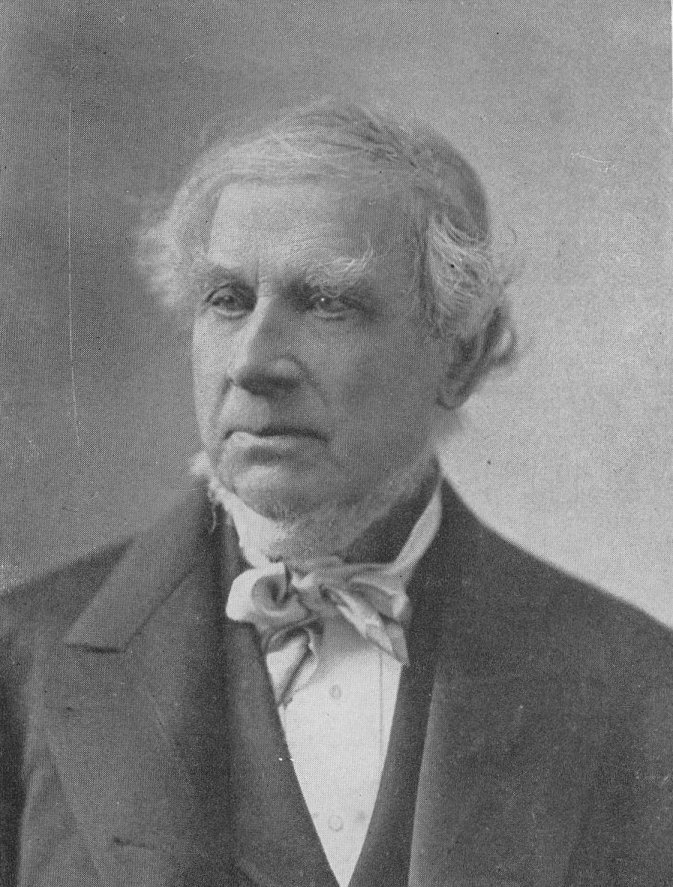
Ben Jonson, when following his trade of a mason, worked on Lincoln's Inn in London with trowel in hand and a book in his pocket. Joseph Hunter was a carpenter in youth, Robert Burns a plowman, Keats a druggist, Thomas Carlyle and Hugh Miller masons. Dante and Descartes were soldiers. Cardinal Wolsey, Defoe, and Kirke White were butchers' sons. Faraday was the son of a hostler, and his teacher, Humphry Davy, was an apprentice to an apothecary. Kepler was a waiter boy in a German hotel, Bunyan a tinker, Copernicus the son of a Polish baker. They rose by being greater than their callings, as Arkwright rose above mere barbering, Bunyan above tinkering, Wilson above shoemaking, Lincoln above rail-splitting, and Grant above tanning. By being first-class barbers, tinkers, shoemakers, rail-splitters, tanners, they acquired the power which enabled them to become great inventors, authors, statesmen, generals. John Kay, the inventor of the fly-shuttle, James Hargreaves, who introduced the spinning-jenny, and Samuel Compton, who originated mule-spinning, were all artisans, uneducated and poor, but were endowed with natural faculties which enabled them to make a more enduring impression upon the world than anything that could have been done by the mere power of scholarship or wealth.
While working as a mason on Lincoln's Inn in London, Ben Jonson carried a trowel in his hand and a book in his pocket. Joseph Hunter was a carpenter in his youth, Robert Burns a plowman, and Keats a druggist. Thomas Carlyle and Hugh Miller were masons. Dante and Descartes were soldiers. Cardinal Wolsey, Defoe, and Kirke White were butchers' sons. Faraday was the son of a stable worker, and his teacher, Humphry Davy, was an apprentice to an apothecary. Kepler was a young waiter in a German hotel, Bunyan a tinker, and Copernicus the son of a Polish baker. They rose by being greater than their trades. In the same way, Arkwright rose above barbering, Bunyan above tinkering, Wilson above shoemaking, Lincoln above splitting rails, and Grant above tanning. By being first-rate barbers, tinkers, shoemakers, rail splitters, and tanners, they gained the power to become great inventors, authors, statesmen, and generals. John Kay invented the fly-shuttle, James Hargreaves introduced the spinning-jenny, and Samuel Compton created mule-spinning. All three were artisans who were poor and uneducated. But their natural abilities enabled them to leave a more lasting mark on the world than scholarship or wealth alone could have achieved.
It cannot be said of any of these great names that their individual courses in life would have been what they were, had there been lacking a superb will power resistless as the tide to bear them upward and onward.
None of these great people would have followed the same course in life without extraordinary willpower. It carried them upward and onward, as unstoppable as the tide.
Let Fortune empty her whole quiver on me, I have a soul that, like an ample shield, Can take in all, and verge enough for more; Fate was not mine, nor am I Fate's: Souls know no conquerors. Dryden.
Let Fortune fire every arrow in her quiver at me. My soul is like a great shield. It can take them all and still have room for more. Fate did not belong to me, and I do not belong to Fate. Souls have no conquerors. Dryden.