A short essay offers a calm, sensible-sounding plan to end poverty in Ireland. The plan is to sell the children of the poor as food for the rich, complete with serving suggestions.
13 pages 15 min reading time
A landmark of political satire.
Proposes with a straight face that poor Irish families sell their children as food, mocking plans that treat human suffering as mere economics.
Aims its real attack at the British rule and landowning class that exploited Ireland while blaming the poor for their poverty.
Its title became a stock phrase for satirical proposals, and its deadpan irony remains the model for political satire.
Answered a real famine
Swift wrote it after several years of failed harvests left many Irish families hungry and begging in the streets.
Followed ignored serious pleas
Swift had already urged the Irish in earnest pamphlets to buy Irish goods, and felt nothing had changed.
Copied real money schemes
He mimicked the dry, number-filled pamphlets in which writers of the day pitched plans to fix the economy.
Printed without his name
It first came out in Dublin as a short unsigned pamphlet and was soon reprinted in London.


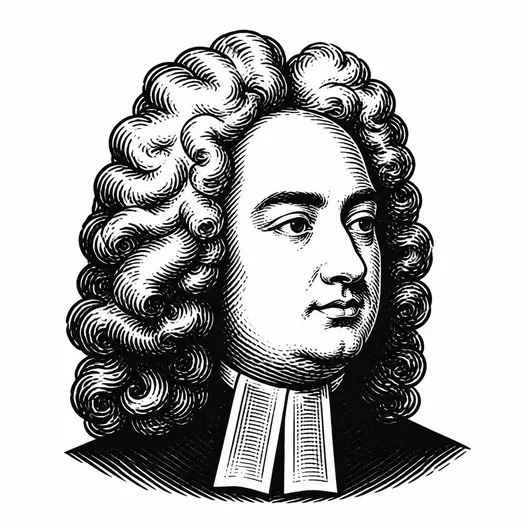 Jonathan Swift 1729